
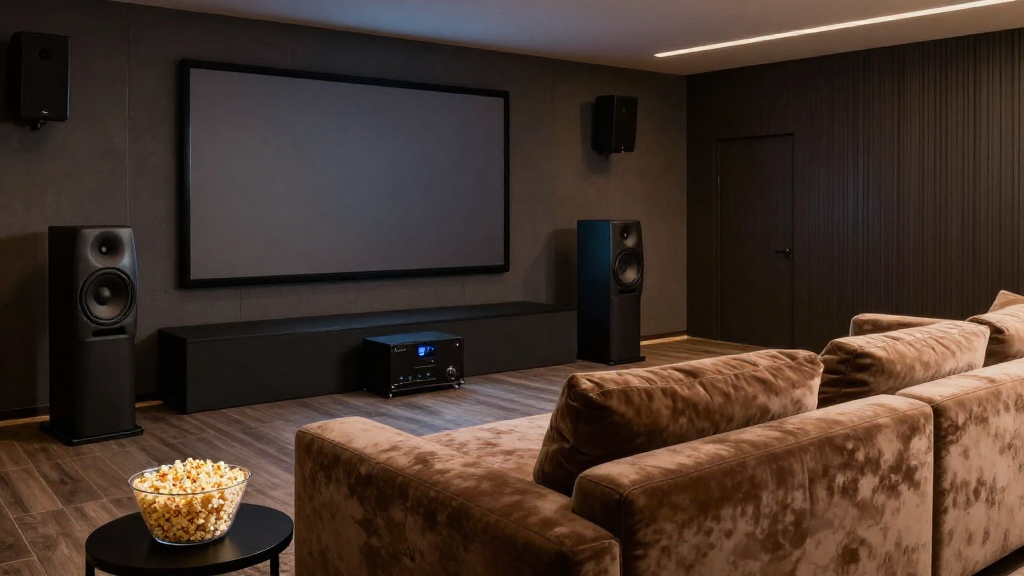
In this article, we will delve into how home theater audio works and its role in creating an immersive viewing experience.
What Are the Basics of Home Theater Audio?
To understand home theater audio explained, it’s essential to start with the basic components that make up a home theater system. This includes audio sources, receivers, speakers, and the room setup.
Key Components of Home Theater Audio
Every home theater audio system typically includes:
- Audio Sources: These can be Blu-ray players, streaming devices, or gaming consoles.
- Receivers: Receivers act as the hub, managing audio signals and connecting various devices.
- Speakers: A surround sound speaker setup enhances the audio experience, usually involving multiple speakers positioned around the room.
Understanding Sound Formats
Home theater audio systems support various sound formats, which can significantly affect the listening experience. Common formats include:
- Stereo: Two-channel audio, suitable for basic setups.
- Surround Sound: Multi-channel audio that creates a more immersive environment.
- Dolby Atmos: Advanced audio format that adds height channels for a three-dimensional sound experience.
The Role of Acoustics
The acoustics of a room play a vital role in home theater audio. Factors to consider include:
- Room Size: Larger rooms may require more powerful speakers.
- Wall Materials: Hard surfaces can create echoes, while soft furnishings help absorb sound.
- Speaker Placement: Proper positioning can enhance sound quality and create a balanced audio experience.
How Does Audio Processing Work?
Audio processing is a critical aspect of how home theater audio works. It involves converting incoming audio signals into formats suitable for playback through speakers.
Digital Signal Processing (DSP)
Digital signal processing is at the heart of modern home theater audio systems. It allows for:
- Sound Enhancement: DSP can improve the clarity and depth of audio.
- Equalization: Customizing sound frequencies to suit personal preferences or room acoustics.
- Surround Sound Simulation: Creating multi-dimensional sound even in basic setups.
Decoding Audio Formats
Home theater receivers are equipped to decode various audio formats, which is essential for compatibility with different sources. Decoding ensures:
- Optimal Sound Quality: Decoding algorithms help preserve audio fidelity.
- Format Compatibility: Receivers can handle diverse audio signals from various devices.
- Dynamic Range Management: Balancing loud and soft sounds for a more comfortable listening experience.
Calibration and Setup
Proper calibration is crucial for achieving the best audio performance. This process includes:
- Speaker Calibration: Adjusting speaker levels to ensure uniform sound throughout the room.
- Room Correction: Using technology to compensate for room acoustics.
- Listening Position Optimization: Finding the ideal spot for the best sound experience.
What Types of Speakers Are Used?
Understanding the different types of speakers is fundamental to grasping home theater audio explained.
Surround Sound Speakers
Surround sound systems typically use multiple speakers to create a comprehensive audio environment. Key types include:
- Front Speakers: Usually include left, right, and center speakers that handle dialogue and main audio.
- Surround Speakers: Placed on the sides or rear to create immersive sound effects.
- Subwoofers: Specialized speakers that reproduce low-frequency sounds, enhancing bass.
Wireless vs. Wired Speakers
When setting up a home theater audio system, choosing between wireless and wired speakers is essential. Consider the following:
- Wired Speakers: Generally offer better sound quality and reliability.
- Wireless Speakers: Provide flexibility and ease of installation but may experience connectivity issues.
- Hybrid Options: Some systems offer both wired and wireless capabilities for versatility.
Sound Bars
Sound bars are a popular choice for those looking for a compact audio solution. They offer:
- Simplicity: Easy to set up and use compared to traditional speaker systems.
- Space Efficiency: Ideal for smaller rooms where space is limited.
- Enhanced Audio Quality: Many sound bars provide surprisingly rich sound for their size.
How to Choose the Right Home Theater Audio System?
Choosing the right home theater audio system involves several factors that cater to your preferences and room setup.
Assess Your Space
Before purchasing a home theater audio system, assess your space and preferences. Key considerations include:
- Room Size: Larger rooms may require more powerful speakers.
- Acoustic Properties: The materials and layout of the room can affect sound quality.
- Seating Arrangement: Consider where viewers will be seated for optimal sound experience.
Determine Your Budget
Your budget will significantly impact your options for home theater audio. Keep in mind:
- Entry-Level Systems: Affordable options can still provide decent sound quality.
- Mid-Range Systems: Offer a balance between quality and price, suitable for most users.
- High-End Systems: Premium systems deliver superior audio quality but come at a higher cost.
Research and Reviews
Before making a purchase, do thorough research and read reviews. Consider:
- Brand Reputation: Established brands often provide more reliable products.
- User Feedback: Customer reviews can offer insights into real-world performance.
- Expert Opinions: Look for recommendations from audio professionals.
Conclusion
Understanding how home theater audio works is essential for creating a captivating audio-visual experience. By exploring the components, processing, speaker types, and selection strategies, you can enhance your enjoyment of movies, music, and games. Whether you are setting up a simple stereo system or a complex surround sound setup, knowledge of home theater audio explained will empower you to make the best choices for your entertainment needs.