
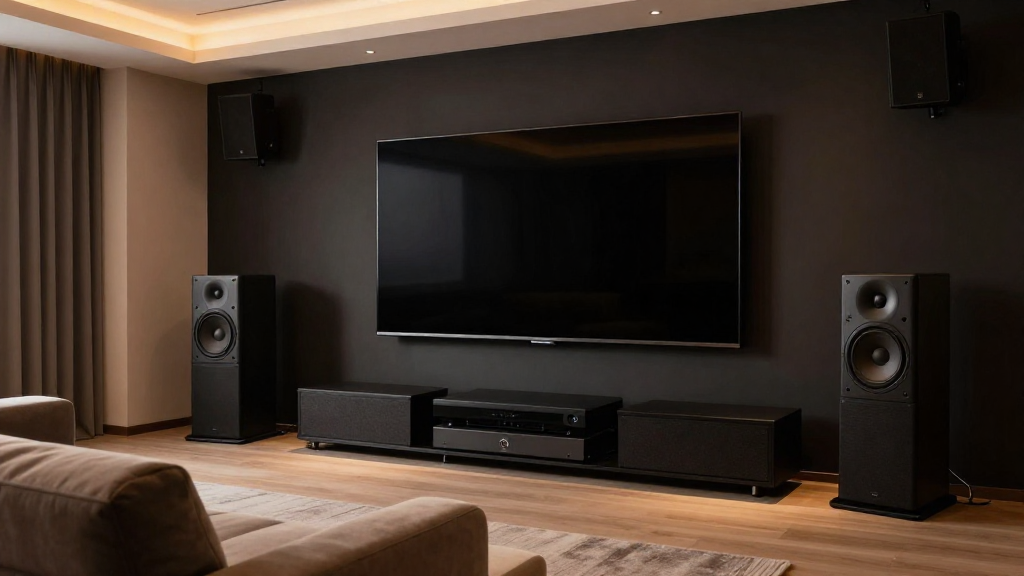
In this article, we will delve into the concept of home theater audio downmixing, explaining how it works, its benefits, and its applications.
What is Audio Downmixing?
Audio downmixing is the process of converting multi-channel audio into fewer channels. This technique is essential for home theater systems, particularly when adapting complex audio formats for simpler playback systems.
Understanding Multi-Channel Audio
Multi-channel audio refers to sound that is delivered through multiple channels, such as 5.1 or 7.1 surround sound systems. These systems use several speakers to create an immersive sound experience. The most common channels include:
- Left
- Right
- Center
- Surround Left
- Surround Right
- Subwoofer (LFE)
To fully appreciate movies and music, a multi-channel setup is ideal. However, not all playback systems support these formats, which is where downmixing becomes crucial.
The Process of Downmixing
During downmixing, the audio mix is simplified to fit fewer channels without losing essential sound quality. This can be achieved through various methods, including:
- Matrix Mixing: This method combines signals from multiple channels into fewer channels, ensuring the most important sounds are preserved.
- Channel Weighting: In this approach, certain channels are prioritized based on their audio content, ensuring that dialogue and key effects remain clear.
- Dynamic Range Compression: By compressing the audio, downmixing helps to balance the levels of sound, making it suitable for playback on simpler systems.
Understanding these methods helps in achieving high-quality audio output, which is crucial for a satisfying home theater experience.
Why is Audio Downmixing Important?
Audio downmixing plays a vital role in ensuring that the cinematic experience is preserved across various playback systems. Without downmixing, users would face challenges when trying to enjoy multi-channel audio on stereo systems.
Compatibility with Different Systems
Most home theater setups vary widely in terms of capabilities. Some are equipped to handle advanced multi-channel formats, while others are limited to stereo outputs. Downmixing allows:
- **Seamless playback** on any audio system, whether it’s a high-end surround sound setup or a simple stereo speaker.
- **Enhanced user experience** by ensuring that the audio remains clear and engaging, regardless of the system’s limitations.
Thus, downmixing ensures that all users can enjoy audio content without compromising quality.
Improved Listening Experience
Effective audio downmixing enhances the overall listening experience by making sure that crucial audio elements remain intelligible. This includes:
- Dialogue Clarity: Downmixing prioritizes dialogue, ensuring it is easy to understand, even in noisy environments.
- Balanced Sound Levels: It helps achieve a balanced sound stage, where no particular sound element overwhelms others.
- Preservation of Sound Effects: Important sound effects are preserved, adding to the overall immersion and excitement of the audio experience.
By focusing on these aspects, downmixing contributes significantly to enhancing the listening experience.
How Can You Downmix Audio at Home?
For home theater enthusiasts, knowing how to downmix audio can be beneficial, especially when setting up a system that may not support advanced formats. Here are some methods to consider:
Using Audio Software
Many audio editing software programs offer downmixing features. These tools allow users to adjust audio tracks and create custom mixes tailored to their systems. Some popular software options include:
- Audacity: A free, open-source audio editing tool that supports multi-channel mixing.
- Adobe Audition: A professional tool with advanced mixing capabilities.
- Logic Pro: Ideal for Mac users, this software offers comprehensive audio mixing features.
These programs typically provide various options for balancing and adjusting sound levels for optimal playback.
Hardware Solutions
In addition to software, there are hardware solutions available for downmixing audio. Devices such as:
- AV Receivers: Most modern AV receivers have built-in downmixing capabilities, allowing them to automatically adapt audio for the connected speaker system.
- Digital-to-Analog Converters (DAC): Some DACs come with downmixing features, improving compatibility with various audio formats.
Using hardware solutions can streamline the downmixing process and ensure high-quality audio output.
What Should You Consider When Downmixing?
When engaging in audio downmixing, several factors should be taken into account to ensure the best possible outcome. Understanding these aspects can help achieve the desired audio quality.
Choosing the Right Format
The audio format you choose to downmix can significantly impact the final output. Common formats include:
- Stereo: A popular choice for downmixing, it offers a simple two-channel output.
- Mono: Useful in situations where only one channel is needed, such as small speaker systems.
Selecting the appropriate format based on your playback system is crucial for achieving a balanced sound.
Understanding Your Playback System
Knowing the specifications and limitations of your playback system is essential. Consider:
- The number of channels supported by your system.
- The type of speakers you are using.
- The overall acoustics of the room.
This understanding will guide how you approach downmixing and which techniques to prioritize.
Conclusion: The Future of Home Theater Audio Downmixing
As technology continues to evolve, the process of home theater audio downmixing will likely improve, offering even better compatibility and sound quality. With the rise of immersive audio formats, staying informed about downmixing techniques will be essential for home theater enthusiasts. By understanding how audio downmixing works and applying the right methods, you can ensure an optimal listening experience, regardless of the playback system you use.