
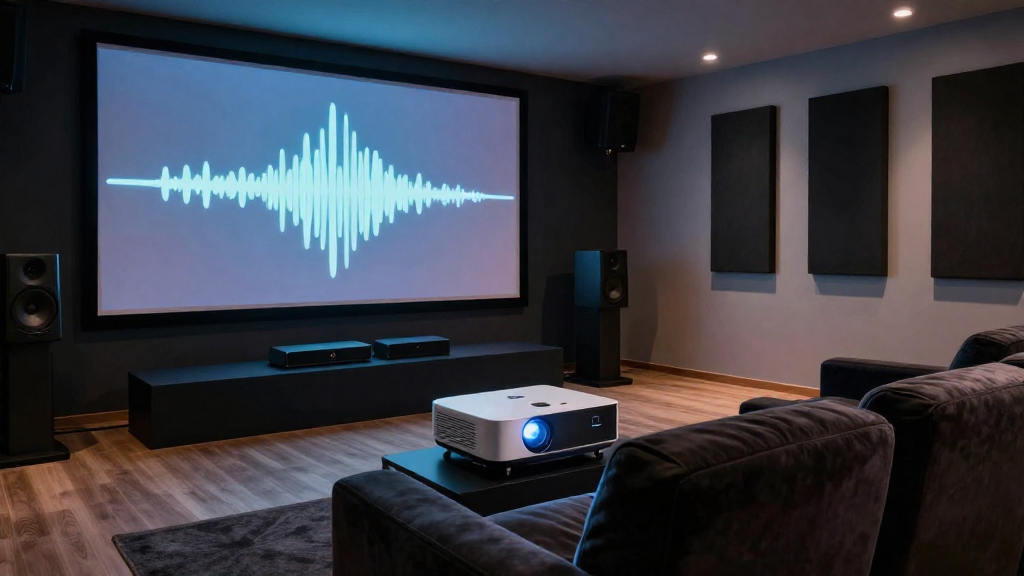
This article explains various audio codecs used in home theater systems.
What Are Audio Codecs?
Audio codecs are essential components in the realm of home theater audio. They compress and decompress audio files, allowing for efficient storage and transmission. Understanding these codecs is crucial for optimizing your home theater experience.
How Do Audio Codecs Work?
Audio codecs function by encoding sound data into a format that can be easily transmitted and decoded. This process involves converting analog audio signals into digital formats. Once the audio reaches its destination, the codec decodes the data back into a format suitable for playback.
Why Are Audio Codecs Important?
Choosing the right audio codec can significantly impact your home theater setup. They determine the quality of sound reproduction and the efficiency of data transfer. A high-quality codec ensures that the audio retains its integrity during compression and decompression.
Which Audio Codecs Are Commonly Used in Home Theater?
Several audio codecs are popular in home theater systems, each offering unique features and benefits. Familiarizing yourself with these can help you make informed decisions about your audio setup.
Dolby Digital
Dolby Digital is one of the most widely used audio codecs in home theaters. It supports up to 5.1 channels of surround sound, providing an immersive audio experience. The codec is compatible with many devices, from Blu-ray players to streaming services.
DTS (Digital Theater Systems)
DTS is another popular audio codec that offers high-quality sound. Like Dolby Digital, it supports multi-channel audio, including 5.1 and 7.1 configurations. DTS typically delivers a higher bitrate than its competitor, which can result in better sound quality.
DTS-HD Master Audio
DTS-HD Master Audio takes the standard DTS format to the next level, offering lossless audio quality. This codec is designed for Blu-ray discs and provides a more detailed sound experience. It allows for higher fidelity, making it ideal for audiophiles.
Dolby Atmos
Dolby Atmos is an advanced audio codec that adds a height dimension to sound. This technology creates a three-dimensional audio experience, allowing sounds to move around you in space. It’s particularly popular in modern home theaters for its immersive capabilities.
How Do I Choose the Right Audio Codec for My Home Theater?
Choosing the right audio codec depends on several factors, including your equipment and personal preferences. Here are some tips to help you select the best codec for your setup.
Assess Your Equipment
Before choosing an audio codec, assess your home theater equipment. Ensure that your receiver and speakers support the codec you are considering. Compatibility is key to achieving the best audio quality.
Consider Your Content
The type of content you plan to watch can influence your codec choice. For example, if you watch a lot of Blu-ray movies, you may prefer codecs like DTS-HD Master Audio or Dolby Atmos for their superior quality. Streaming services may also have specific codecs optimized for their content.
Evaluate Your Listening Environment
Your listening environment plays a crucial role in audio performance. If you have a small room, a simple 5.1 channel setup with Dolby Digital may suffice. However, for larger spaces, consider investing in a more advanced codec like Dolby Atmos to enhance the sound experience.
What Are the Advantages of Using Advanced Audio Codecs?
Advanced audio codecs offer several advantages over standard codecs, particularly in terms of sound quality and flexibility. Here are some key benefits.
Improved Sound Quality
Advanced audio codecs like Dolby Atmos and DTS-HD Master Audio provide superior sound quality. They support higher bitrates and lossless audio, ensuring that you hear every detail in your favorite movies and music. This enhanced quality can significantly elevate your home theater experience.
Compatibility with Latest Technology
As technology evolves, so do audio codecs. Advanced codecs are designed to work with the latest home theater systems, ensuring that you can take advantage of cutting-edge audio features. This compatibility makes it easier to integrate new devices into your existing setup.
Immersive Audio Experiences
Advanced audio codecs allow for immersive audio experiences that standard codecs cannot provide. For instance, Dolby Atmos enables sound to come from above, creating a more realistic soundstage. This level of immersion can transform your movie-watching experience into something extraordinary.
Are There Any Disadvantages to Using Advanced Audio Codecs?
While advanced audio codecs offer many benefits, there are also some disadvantages to consider. Understanding these can help you weigh your options effectively.
Higher Costs
One of the main disadvantages of advanced audio codecs is the cost associated with them. Equipment that supports these codecs, such as receivers and speakers, can be more expensive. If you’re on a budget, this may limit your options.
Complex Setup
Advanced audio codecs often require more complex setups, including additional speakers or specialized receivers. This can be challenging for those who are not tech-savvy. It’s important to consider whether you’re willing to invest the time and effort into setting up a more intricate system.
Content Availability
Not all content is available in advanced audio codec formats. While many Blu-ray discs support Dolby Atmos or DTS-HD Master Audio, streaming services may not always offer these options. This can limit your ability to fully utilize your advanced audio setup.
How Can I Optimize My Home Theater Audio Setup?
Optimizing your home theater audio setup can enhance your listening experience significantly. Here are some practical tips to get the best performance from your audio codecs.
Proper Speaker Placement
Speaker placement is crucial for achieving optimal sound. Ensure that your speakers are positioned correctly in relation to your seating area. This can greatly influence the audio experience, especially with surround sound setups.
Calibration of Audio Settings
Most modern receivers offer calibration settings to optimize audio performance. Take the time to calibrate your system according to your room’s acoustics. This can help you get the most out of your chosen audio codec.
Regular Updates and Maintenance
Keep your audio equipment updated with the latest firmware and software. Regular maintenance can help ensure that your system operates at peak performance. This also helps you stay compatible with new audio codecs and formats as they become available.
Conclusion
Understanding home theater audio codecs is essential for creating the best audio experience possible. Whether you choose Dolby Digital, DTS, or advanced codecs like Dolby Atmos, the right choice impacts your enjoyment. By assessing your equipment, content, and listening environment, you can make informed decisions that elevate your home theater setup.