
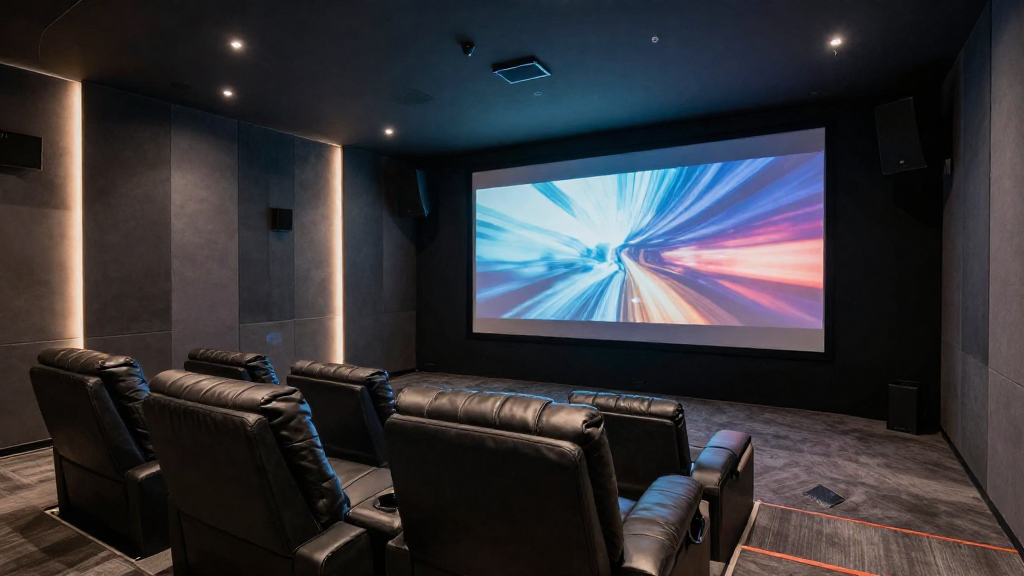
In this article, we will delve into home theater aspect ratios explained, providing insights into various formats and their significance in enhancing your viewing experience.
What is an Aspect Ratio?
An aspect ratio is a numerical expression that defines the proportional relationship between the width and height of a display screen. It is typically represented as two numbers separated by a colon, such as 16:9 or 4:3. Understanding aspect ratios is crucial for optimizing your home theater setup.
How Aspect Ratios Affect Image Quality
The aspect ratio directly influences how images are displayed on the screen. For instance, a wider aspect ratio can provide a more immersive viewing experience, especially for cinematic films. However, using the wrong aspect ratio can lead to issues like image distortion or black bars on the screen.
Common Aspect Ratios
- 16:9 – This is the most commonly used aspect ratio for HDTVs and modern home theaters.
- 4:3 – Often used in older televisions and some computer monitors, this ratio is less common today.
- 2.35:1 – Also known as CinemaScope, this wide format is popular in theatrical releases.
What Aspect Ratios Are Ideal for Home Theater?
Choosing the right aspect ratio for your home theater setup can significantly enhance your viewing experience. Different movies and shows are filmed in various aspect ratios, and having the right equipment can make all the difference.
Best Aspect Ratios for Movies
For a cinematic experience, the 2.35:1 aspect ratio is often preferred. This wide format provides a panoramic view that mimics the experience of watching films in a theater. However, many films are also available in 16:9, especially those produced for television.
Aspect Ratios for Television Shows
Most television shows today are produced in a 16:9 aspect ratio. This format allows for a full-screen experience on modern TVs, eliminating any letterboxing that can occur with other ratios. It’s advisable to check the aspect ratio of a show before watching to ensure the best quality.
Adapting Your Screen to Different Aspect Ratios
Many modern projectors and TVs offer features to adjust the display according to the aspect ratio of the content being viewed. This adaptability ensures that viewers can enjoy their favorite movies and shows without compromising on quality. Always refer to your device’s manual to explore these options.
How Do Home Theater Screens Influence Aspect Ratios?
The type of screen you choose for your home theater can significantly influence how aspect ratios are displayed. Different screens are designed to accommodate various formats, ensuring that viewers enjoy the content as intended.
Types of Screens Available
- Fixed Frame Screens – These screens are designed for specific aspect ratios and provide a clean, professional look.
- Motorized Screens – These can be adjusted to different aspect ratios, making them versatile for various types of content.
- Ambient Light Rejecting Screens – These screens enhance image quality in bright environments and can support multiple aspect ratios.
Choosing the Right Screen for Your Setup
When selecting a screen, consider the primary content you will be viewing. If you primarily watch movies, a screen that supports 2.35:1 or 16:9 might be ideal. However, if you watch a mix of content, a flexible screen option would be beneficial.
Benefits of a Properly Sized Screen
A properly sized screen can enhance the viewing experience by providing a more immersive feel. It allows for greater detail and clarity, making it easier to enjoy films and shows in their intended aspect ratios. Always measure your space to ensure the right fit.
What Role Does Aspect Ratio Play in Content Creation?
Understanding aspect ratios is equally important for those involved in content creation. Filmmakers and video producers must choose the right aspect ratio to convey their story effectively.
Aspect Ratios in Filmmaking
Filmmakers typically choose aspect ratios based on the narrative style and visual aesthetics of their projects. The choice of 2.35:1 can create a more cinematic feel, while 16:9 is often used for television productions. The selected ratio can significantly influence the viewer’s emotional response.
Importance of Aspect Ratios in Animation
In animation, the aspect ratio can affect the pacing and flow of the story. Animators often choose a wider aspect ratio to create dynamic visuals, especially during action sequences. The right aspect ratio can help draw the audience into the animated world.
Adapting Aspect Ratios for Different Platforms
With the rise of various viewing platforms, content creators must adapt their work to fit different aspect ratios. Understanding the requirements of platforms like YouTube, Netflix, and traditional cinema can help in reaching a broader audience. This adaptability is crucial for maximizing engagement and viewership.
How Can You Optimize Your Home Theater for Different Aspect Ratios?
Optimizing your home theater for various aspect ratios involves several considerations. From the choice of equipment to the arrangement of your viewing space, each factor plays a vital role in enhancing your experience.
Calibrating Your Projector or TV
Regular calibration of your projector or television ensures that colors and brightness levels are optimal for different aspect ratios. Calibration helps in achieving the best picture quality, regardless of the format being viewed. Make it a habit to check your settings before watching.
Using Aspect Ratio Guidelines
Many films and shows come with guidelines on how to set your screen for optimal viewing. Following these guidelines can help in reducing letterboxing or stretching of images. Always refer to the content’s specifications for the best results.
Creating a Versatile Viewing Environment
Designing your home theater to accommodate various aspect ratios can enhance the overall experience. Consider using adjustable seating and lighting that can adapt to different viewing scenarios. A versatile environment will ensure that you enjoy every aspect of your home theater.
Conclusion
Understanding home theater aspect ratios explained is essential for creating an optimal viewing experience. By selecting the right aspect ratio, screen, and setup, you can immerse yourself in your favorite films and shows like never before. Whether you’re a casual viewer or a cinephile, the right aspect ratio can make all the difference.