
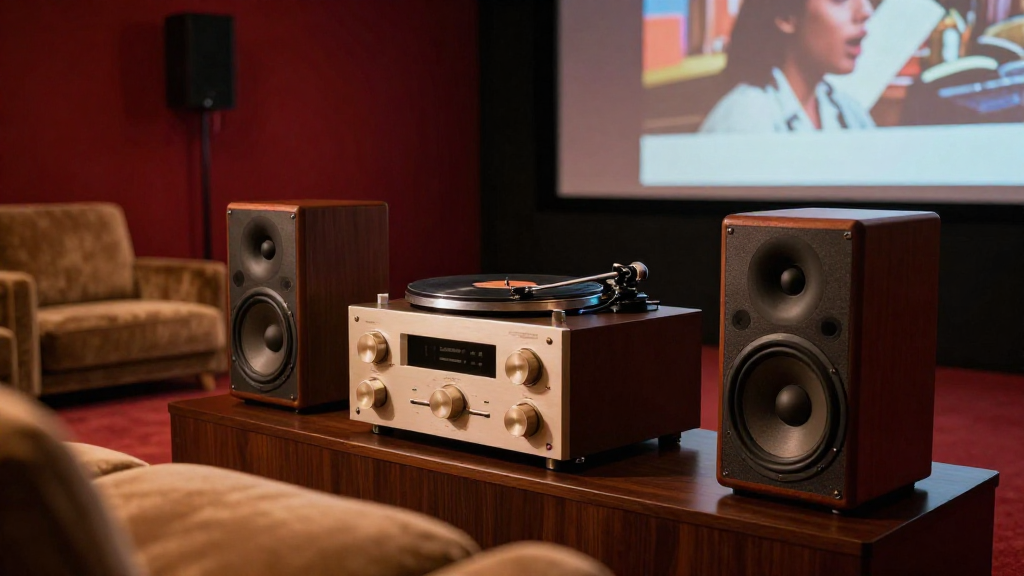
In this article, we will explore the concept of home theater analog audio explained, focusing on when and how analog audio is utilized in home theater setups.
What Is Analog Audio?
Analog audio refers to sound that is represented in a continuous signal, unlike digital audio, which is represented in discrete values. This form of audio has been around for many decades and is still a popular choice among audiophiles and enthusiasts. Understanding analog audio is essential for anyone looking to enhance their home theater experience.
Characteristics of Analog Audio
Analog audio has several distinctive characteristics, including:
- Continuous Signal: Unlike digital audio, analog audio captures sound waves in their natural form.
- Warmth and Richness: Many users appreciate the warmth and richness of analog sound, which can offer a more immersive experience.
- Less Processing: Analog audio typically involves minimal processing, preserving the original sound quality.
Common Forms of Analog Audio
There are various formats of analog audio that are commonly used, including:
- Vinyl Records: These are one of the most iconic forms of analog audio, known for their large physical format and rich sound.
- Magnetic Tape: Used in cassette tapes and reel-to-reel systems, magnetic tape captures audio in a format that can provide high fidelity.
- FM Radio: This method broadcasts audio signals in an analog format, allowing for a diverse range of programming.
When Is Analog Audio Used in Home Theater?
Understanding when to use analog audio in your home theater can significantly enhance your viewing experience. While digital audio has become the standard, there are specific scenarios where analog audio performance shines.
High-Quality Music Playback
For music enthusiasts, analog audio can provide a richer and more immersive listening experience. When using high-quality vinyl records or magnetic tape, the sound can often have a depth and warmth that digital formats may lack.
Classic Movie Soundtracks
Many classic films were originally recorded in analog formats. Using analog audio equipment to play these soundtracks can bring you closer to the original sound design. This can enhance the nostalgia and emotional resonance of the film.
Home Theater Systems with Vintage Components
Incorporating vintage audio equipment into your home theater can create a unique aesthetic and auditory experience. Many older amplifiers and speakers are designed to work with analog signals, providing a distinct sound quality that some audiophiles prefer.
What Are the Advantages of Analog Audio?
Analog audio comes with several advantages that can enhance your home theater experience.
Enhanced Sound Quality
Many listeners find that analog audio provides a more authentic sound experience, with richer tones and clearer bass. This can be particularly important for those who prioritize sound quality in their home theater setup.
Compatibility with Legacy Equipment
If you have older audio equipment, it may only support analog audio inputs. Using analog signals ensures that you can fully utilize your existing equipment without needing to upgrade.
Personal Preference
Ultimately, the choice to use analog audio often comes down to personal preference. Some people simply enjoy the tactile experience of handling vinyl records or the nostalgia associated with older audio formats.
What Are the Disadvantages of Analog Audio?
While there are many benefits to using analog audio, it’s also important to consider its drawbacks.
Maintenance and Care
Analog equipment often requires more maintenance than digital gear. Vinyl records, for instance, need to be cleaned regularly to avoid distortion. The playback equipment also needs to be calibrated and maintained to ensure optimal performance.
Limited Convenience
Digital audio formats offer more convenience, such as quick access to a large library of music and easy sharing. In contrast, analog formats can be less convenient to use, requiring more time and effort to set up and play.
Potential for Sound Degradation
Analog audio can suffer from wear and tear over time. Vinyl records can scratch, and magnetic tapes can degrade, leading to a loss in sound quality. Regularly replacing and maintaining these items can be costly.
How to Set Up Analog Audio in Your Home Theater
Setting up analog audio in your home theater can be a rewarding experience if done correctly. Here are a few steps to help you get started.
Choose the Right Equipment
Investing in high-quality turntables, amplifiers, and speakers is crucial. Look for equipment that matches your audio preferences and budget. Ensure that your components are compatible for optimal performance.
Optimize Your Room Acoustics
The acoustics of your room can significantly impact sound quality. Consider using carpets, curtains, and wall treatments to enhance sound clarity and reduce echo. Position your speakers for the best sound distribution in the room.
Connect Your Components
Follow the manufacturer’s instructions for connecting your analog audio components. Make sure to use high-quality cables to minimize signal loss and interference. Pay attention to grounding to avoid hum and noise.
Is Analog Audio Worth the Investment?
Deciding whether to invest in analog audio for your home theater depends on your personal audio preferences and how much you value sound quality.
Consider Your Listening Habits
If you frequently listen to music or watch films where sound quality is paramount, then investing in analog audio may be worthwhile. Many audiophiles swear by the superior sound of analog recordings.
Evaluate Your Budget
Analog audio equipment can range from affordable to extremely high-end. Consider what fits within your budget and whether you are willing to invest in high-quality components.
Balance with Digital Systems
Many home theaters successfully integrate both analog and digital audio systems. This approach allows you to enjoy the best of both worlds, ensuring that you can experience high-quality sound regardless of the format.