
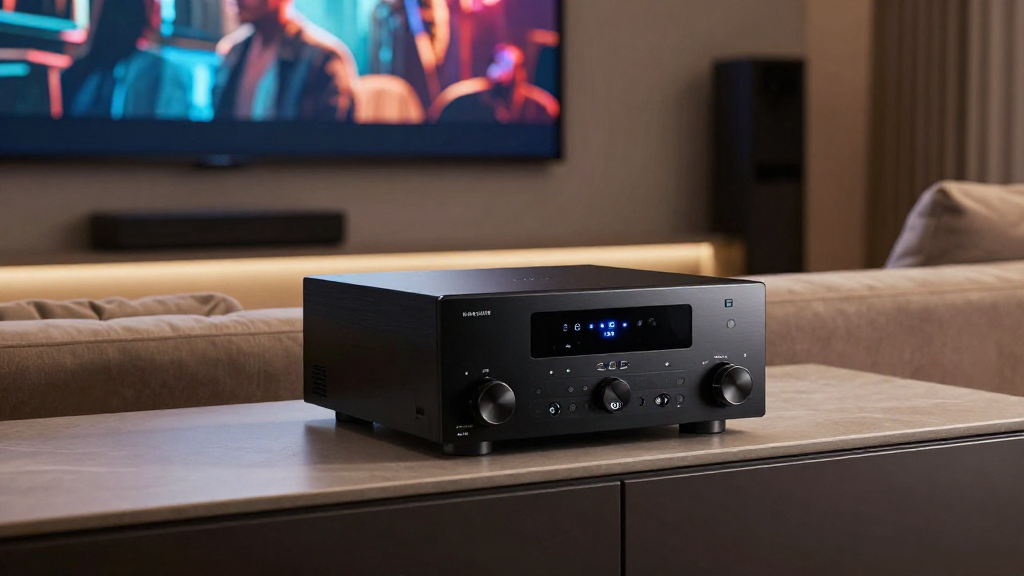
This article will clarify the differences between a home theater amp vs receiver, helping you make informed decisions for your audio setup.
What is a Home Theater Amp?
A home theater amp, or amplifier, is a crucial component of audio systems designed to boost sound signals. This device enhances your listening experience by increasing the power of the audio signals before sending them to your speakers. Understanding the role of an amp is essential when comparing it to a receiver.
How Does a Home Theater Amp Work?
A home theater amp functions by taking a low-level audio signal and amplifying it to a level that can drive speakers effectively. The amp receives audio signals from various sources, such as a CD player or media player, and amplifies these signals significantly. The output is then sent to the speakers, delivering a powerful sound that enhances your listening experience.
Types of Home Theater Amps
- Stereo Amps: Designed to power two speakers, ideal for a simple setup.
- Multi-channel Amps: Capable of powering multiple speakers, suitable for surround sound systems.
- Integrated Amps: Combine a preamp and power amp in one unit, offering convenience.
Benefits of Using a Home Theater Amp
Utilizing a home theater amp can significantly enhance the quality of sound in your setup. Here are some benefits:
- Improved Sound Quality: Amplifiers can deliver cleaner, more dynamic sound.
- Higher Power Output: They provide enough power to drive demanding speakers.
- Flexibility: Amps can be used in various configurations, making them versatile for any setup.
What is a Home Theater Receiver?
A home theater receiver is a central hub that combines multiple functions, including audio amplification, signal processing, and input switching. It simplifies your home theater setup by consolidating various components into a single unit. Understanding how a receiver differs from an amp is crucial for optimizing your audio experience.
Functions of a Home Theater Receiver
A home theater receiver serves multiple functions beyond amplification. It acts as the command center for your audio and video components. Here are some of its primary functions:
- Audio Processing: Receivers decode audio formats like Dolby Atmos and DTS.
- Input Switching: They allow users to switch between various audio and video sources.
- Built-in Amplification: Most receivers include an amplifier to power speakers directly.
Types of Home Theater Receivers
Home theater receivers come in various types, catering to different needs and preferences. The most common types include:
- Stereo Receivers: Perfect for simple two-channel audio setups.
- AV Receivers: Designed for surround sound systems, supporting multiple audio channels.
- Network Receivers: Allow streaming from various online services, integrating modern technology.
How Does a Home Theater Amp Differ from a Receiver?
Understanding the differences between a home theater amp vs receiver is essential for selecting the right equipment for your audio needs. While both components amplify sound, they serve different roles in a home theater setup.
Primary Differences in Functionality
The primary distinction lies in their functionalities. An amp strictly amplifies audio signals, while a receiver combines amplification with signal processing and source switching. This means that if you need a more versatile unit, a receiver is often the better choice.
Power and Performance
In terms of power output, dedicated amplifiers typically offer higher wattage compared to receivers. This makes them more suitable for driving high-performance speakers that require more power. However, receivers often provide adequate power for typical home setups.
Cost Considerations
When comparing a home theater amp vs receiver, cost can be a significant factor. Amplifiers can be more expensive, especially high-quality models. Receivers, while offering less power in some cases, often provide a broader range of features at a lower price point.
What Should You Choose for Your Home Theater?
Deciding between a home theater amp vs receiver depends on your specific audio needs and preferences. Assessing your requirements can help you make an informed choice. Here are some factors to consider:
Assess Your Audio Needs
Consider what type of audio experience you want. If you are looking for enhanced sound quality and have high-performance speakers, a dedicated amp might be the way to go. Conversely, if you require flexibility and convenience, a receiver may suit you better.
Consider Your Budget
Your budget will play a crucial role in your decision-making process. While dedicated amps can be pricier, receivers often provide a good balance between features and cost. Determine how much you are willing to invest in your audio system.
Future Upgrades
Think about potential upgrades down the line. If you plan to expand your home theater system, investing in a receiver might be more beneficial. It allows for additional components and connections without needing to replace the entire system.
Conclusion
In conclusion, the debate of home theater amp vs receiver ultimately hinges on your preferences and audio requirements. By understanding the distinct roles and functionalities of each component, you can make an informed decision that will enhance your overall audio experience. Whether you choose an amp or a receiver, investing in quality equipment will lead to a more enjoyable home theater experience.