
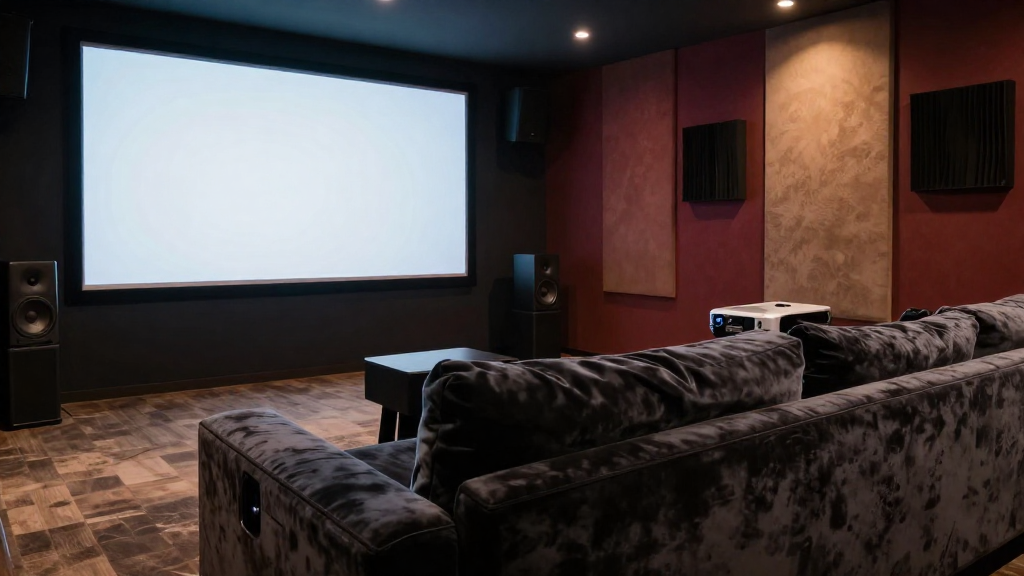
In this article, we will delve into the intricacies of home theater acoustics explained, ensuring you have a comprehensive understanding of this essential aspect of your entertainment system.
What Are Home Theater Acoustics?
Home theater acoustics refer to the way sound behaves within a designated space designed for audio-visual entertainment. Understanding these principles can significantly enhance your overall viewing experience.
Key Components of Home Theater Acoustics
Several key components contribute to the overall acoustics of your home theater:
- Sound Waves: The basic element of any acoustic environment.
- Room Dimensions: The size and shape of the room can impact sound quality.
- Materials: The materials used in walls, floors, and furniture can absorb or reflect sound.
Importance of Acoustics in a Home Theater
Good acoustics are vital for an immersive experience. They help in:
- Enhancing clarity of dialogue.
- Improving overall sound quality.
- Creating an enveloping sound field.
How Does Sound Travel in a Home Theater?
Understanding how sound travels is crucial when setting up home theater acoustics. Sound travels in waves and can behave differently depending on various factors.
Direct Sound vs. Reflected Sound
There are two main types of sound in a home theater:
- Direct Sound: This is the sound that travels straight from the speakers to your ears.
- Reflected Sound: This sound bounces off walls, ceilings, and floors before reaching you.
Factors Influencing Sound Travel
Several factors can influence how sound travels in your home theater:
- Distance: The further you are from the sound source, the softer the sound may become.
- Obstacles: Furniture and other objects can absorb or redirect sound waves.
- Room Shape: A room’s shape can create sound wave interference patterns.
What Role Do Materials Play in Home Theater Acoustics?
The materials used in your home theater can greatly affect acoustics. They can either enhance or hinder sound quality.
Absorptive Materials
Absorptive materials help to minimize sound reflections. Common examples include:
- Acoustic Panels: These are specifically designed to absorb sound.
- Curtains: Heavy curtains can also absorb sound.
- Carpets: A thick carpet can reduce sound reflections from hard floors.
Reflective Materials
In contrast, some materials can enhance sound reflections:
- Drywall: A common wall material that reflects sound.
- Glass: Windows can reflect sound but may cause echoes.
- Wood: Wooden surfaces can add warmth to sound reflections.
How Can You Optimize Home Theater Acoustics?
Optimizing your home theater acoustics can lead to a significantly better audio experience. Here are some effective strategies to consider.
Speaker Placement
Proper speaker placement is crucial for effective sound distribution. Here are some tips:
- Place speakers at ear level for optimal listening.
- Avoid placing speakers too close to walls.
- Consider the triangle rule: speakers and the listener should form an equilateral triangle.
Room Treatments
Implementing room treatments can further enhance acoustics:
- Add acoustic panels to walls.
- Use bass traps in corners to manage low frequencies.
- Consider ceiling treatments for overhead sound absorption.
What Are Common Mistakes in Home Theater Acoustics?
Many home theater setups fall victim to common mistakes that can diminish sound quality. Awareness of these can help you avoid pitfalls.
Ignoring Room Dimensions
Not considering the dimensions of your room can lead to poor sound quality. It’s essential to:
- Be aware of how large rooms can create echoes.
- Understand how small rooms can amplify sound issues.
- Plan your layout according to room size.
Overloading with Technology
Having too many devices can complicate acoustics. Focus on:
- Using the right amount of speakers.
- Ensuring compatibility among devices.
- Not overcomplicating your setup.
Conclusion
In summary, understanding home theater acoustics explained can enhance your audio-visual experience. By paying attention to sound travel, material choice, speaker placement, and avoiding common mistakes, you can create an immersive home theater environment. Start implementing these strategies today and elevate your home entertainment experience!