
Clear dialogue can make or break a film, interview, vlog, or documentary. The best lavalier microphones for filmmaking keep voices intelligible while giving you the freedom to move naturally in front of the camera.
We’ve gathered 10 wired and wireless options for phones, cameras, transmitters, and professional production workflows, with choices for beginners, creators, and location filmmakers.
Best 10 Lavalier Microphones for Filmmaking Picks for 2026
Best Compact DJI Pick
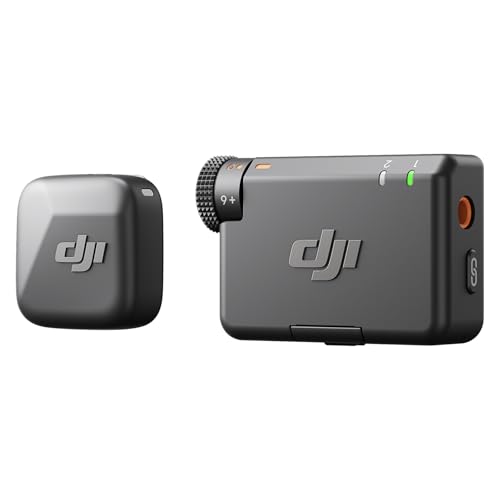
- 10 g transmitter stays discreet on camera
- Up to 400 m range and 10-hour operation
- Noise cancellation and automatic limiting
Best For: Solo creators, interviews, and DJI Osmo users
Best Value Two-Person Kit

- Two 8 g magnetic transmitters included
- 48 kHz/24-bit audio with 120 dB SPL
- Up to 18 hours of alternating transmitter use
Best For: Two-person interviews and smartphone filmmaking
Best DJI Kit for Two Speakers
DJI Mic Mini (2 TX + Mobile RX)

- Two discreet 10 g transmitters
- USB-C mobile receiver for phones and tablets
- Up to 11.5 hours of maximum operation
Best For: Two-person interviews and mobile DJI workflows
Best Wired Professional Pick

- Discreet 4.0 mm broadcast-grade capsule
- 3.5 mm TRS connector suits cameras and transmitters
- Kevlar-reinforced 1.2 m cable
Best For: Wired camera recording and professional production rigs
Best Budget Two-Person Option
NEEWER CM5 Wired Lavalier Pair

- Includes two omnidirectional lavalier microphones
- Plug-and-play 3.5mm TRS connection
- Works with selected wireless transmitters
Best For: Two-speaker shoots and 3.5mm-compatible gear
Best Wireless Pick

- Wireless plug-and-play setup
- USB-C and Lightning adapters included
- Up to 6 hours per charge
Best For: Mobile interviews, voiceovers, and outdoor creator filming
Best Wired Value

- Two-microphone package
- Five-foot cables
- Includes clips and windscreens
Best For: Compatible 3.5mm cameras, phones, and interview setups
Best USB-C Wired Pick

- Direct USB-C connection
- Ultra-low-profile capsule
- Five-foot cable and foam windscreen
Best For: USB-C mobile filmmaking, interviews, and voice recording
Best Compact DJI Pick – DJI Mic Mini (1 TX + 1 RX)
For filmmakers who need discreet lavalier microphones for filmmaking, the DJI Mic Mini combines a 10 g transmitter with wireless range, noise cancellation, and automatic limiting. This one-transmitter kit is a practical choice for solo interviews, vlogs, and general camera or smartphone recording.
Best For: Solo creators, interviews, vlogging, and DJI Osmo users who want a small wireless setup.
Pros:
- Ultralight 10 g transmitter is comfortable and discreet on camera.
- Up to 400 m transmission range and 10-hour operating time support extended shoots.
- Two-level noise cancellation and automatic limiting help maintain clear, reliable vocals.
- Can connect directly to compatible DJI Osmo devices through DJI OsmoAudio.
Cons:
- Only one transmitter is included, so it is less suited to two-person interviews.
- The kit is centered on a wireless transmitter and receiver rather than a standalone wired lavalier.
Choose this version when portability and DJI ecosystem compatibility matter more than recording two speakers at once. Its compact design and protective audio features make it a flexible everyday filmmaking kit.
Best Value Two-Person Kit – Hollyland Lark A1
The Hollyland Lark A1 is a strong option for filmmakers comparing lavalier microphones for filmmaking on a budget. With two transmitters, 48 kHz/24-bit recording, adjustable noise cancellation, and a USB-C receiver, it is built for interviews, phone video, and live streaming.
Best For: Two-person interviews, smartphone filmmaking, live streams, and creators who want long runtime.
Pros:
- Includes two 8 g magnetic transmitters for recording two speakers.
- 48 kHz/24-bit audio and 120 dB SPL handling support detailed, distortion-resistant sound.
- Three noise-cancellation levels and included furry windshields help adapt to outdoor conditions.
- Each transmitter lasts up to 9 hours, with two transmitters supporting up to 18 hours of alternating use.
Cons:
- The supplied receiver is USB-C, so compatibility with devices using other connectors may require additional hardware.
- The listed 200 m range is shorter than the range claimed for the single-transmitter DJI kit.
For interviews and collaborative shoots, the two-transmitter design is the main advantage. It also offers useful control over noise reduction and gain without requiring a complicated setup.
Best DJI Kit for Two Speakers – DJI Mic Mini (2 TX + Mobile RX)
When your production needs two speakers, this DJI kit adds a second transmitter while keeping the discreet form factor associated with compact lavalier microphones for filmmaking. The mobile receiver is designed for plug-and-play use with compatible phones, PCs, and tablets.
Best For: Two-person interviews, mobile filmmaking, livestreaming, and creators already using DJI equipment.
Pros:
- Two 10 g transmitters support recording two speakers in interviews or conversations.
- Mobile receiver works with iPhone 17/16/15 series, Android phones, PCs, and tablets via USB-C.
- Two-level noise cancellation and automatic limiting help protect vocal clarity.
- Transmitters and mobile receiver offer up to 11.5 hours of maximum operating time.
Cons:
- The stated 300 m range is below the 400 m claim of the one-transmitter DJI kit.
- This package uses a mobile receiver, so filmmakers needing a camera-oriented receiver may prefer another configuration.
This is the more practical DJI choice for two-person mobile productions. It offers a simple setup and broad USB-C device compatibility, while direct DJI OsmoAudio connections can further streamline compatible workflows.
Best Wired Professional Pick – RØDE Lavalier GO
The RØDE Lavalier GO takes a straightforward wired approach to lavalier microphones for filmmaking. Its 3.5 mm TRS connector works with compatible cameras, audio interfaces, and wireless transmitters, while the discreet capsule and reinforced cable suit demanding production use.
Best For: Filmmakers who prefer a dependable wired lavalier for cameras, recorders, or wireless transmitters.
Pros:
- Broadcast-grade, 4.0 mm sub-miniature capsule remains discreet on talent.
- Omnidirectional pattern is forgiving of placement during fast-paced shoots.
- Kevlar-reinforced 1.2 m cable is designed to withstand regular production use.
- Includes a foam pop shield, mounting clip, and cable-management support.
Cons:
- It is a wired microphone, so it does not provide the wireless freedom of the other options.
- The 3.5 mm TRS connection may require an adapter for devices without that input.
- Only one microphone is included.
Choose the Lavalier GO when reliability, simple connectivity, and discreet placement are more important than wireless range. It is particularly useful as a camera-mounted lavalier or as the microphone connected to a compatible wireless transmitter.
Best Plug-and-Play Wireless Pick – Mini USB-C Lavalier Microphone
For filmmakers who want a quick setup, this wireless lavalier microphone for filmmaking pairs with a phone or tablet without Bluetooth or an app. Its USB-C receiver, adjustable noise cancellation, and long wireless range make it practical for mobile video shoots, interviews, vlogging, and outdoor recording.
Best For: Smartphone-based filmmaking, interviews, vlogging, and creators who prioritize simple wireless operation.
Pros:
- Plug-and-play setup with automatic pairing and no app required.
- Three noise-cancellation levels and additional mute, acoustic, and voice-change modes.
- Up to 164 feet of transmission range and up to 36 hours of total use with the charging case.
- Includes a USB-C receiver and iOS converter for broader mobile compatibility.
Cons:
- The listed connector and compatibility focus on smartphones and tablets rather than dedicated cameras.
- Continuous microphone use is rated for up to 6 hours before recharging.
This is a convenient choice when speed and portability matter more than a traditional camera-mounted workflow. The multiple audio modes are useful for varied content, while the charging case helps support longer recording days.
Best Budget Two-Person Option – NEEWER CM5 Wired Lavalier Pair
This two-pack gives filmmakers two wired lavalier microphones for filmmaking, presentations, interviews, and other setups where dependable plug-in operation is preferred. The omnidirectional condenser capsules use 3.5mm TRS connectors and work with compatible cameras, smartphones, recorders, and wireless transmitters.
Best For: Two-speaker recordings, stage work, presentations, and creators using 3.5mm-compatible equipment.
Pros:
- Two microphones are included, making it useful for recording two speakers.
- Omnidirectional condenser design captures voices from 360 degrees for clear recordings.
- Plug-and-play 3.5mm TRS connection requires no batteries, drivers, or software.
- Compatible with Rode Wireless GO II, DJI wireless transmitters, and selected NEEWER systems.
Cons:
- Wired operation limits movement compared with wireless lavalier systems.
- USB-C and other connector types require a separately purchased adapter.
- Not compatible with Sony microphone systems according to the supplied specifications.
The CM5 pair is a practical value option for productions that already have 3.5mm inputs or compatible wireless transmitters. Its main advantage is flexibility for two-person recording, though filmmakers should confirm connector compatibility before buying.
Best for DSLR Filmmaking – Movo WMX-2 Wireless Camera Mic
The Movo WMX-2 is a compact 2.4GHz wireless system designed for DSLR cameras and other compatible devices. As a lavalier microphone for filmmaking, it combines a wearable transmitter, receiver, charging case, and included accessories to support vlogging, interviews, podcasts, and mobile production.
Best For: DSLR filmmakers, content creators, and users who need a longer-range wireless camera setup.
Pros:
- Compatible with Canon, Sony, Nikon, and other DSLR cameras using a 3.5mm connection.
- Adaptive Frequency Hopping supports a stable signal at distances up to 328 feet.
- Built-in omnidirectional transmitter microphone is lightweight and clip-on ready.
- Includes a charging case, lavalier microphone, windmuffs, counterweight, pouch, and USB-C cable.
Cons:
- The receiver uses a 3.5mm jack, so devices without that input may need additional equipment.
- Battery life is rated for up to 7 hours, with the case providing one additional full charge.
- The supplied specifications identify one wireless channel, limiting the setup to a single transmitter arrangement.
For camera-based filmmaking, the WMX-2 offers a more production-oriented setup than a phone-focused wireless mic. Its long stated range and included wind accessories are useful for outdoor shoots, while the 3.5mm output keeps it compatible with many DSLR workflows.
Best Wireless Pick – Mini Mic Pro
For creators comparing lavalier microphones for filmmaking, the Mini Mic Pro is a compact wireless option built for phones, tablets, laptops, and other compatible devices. It includes USB-C and Lightning adapters, noise-reduction features, and wind protection for portable recording.
Best For: Filmmakers and creators who want plug-and-play wireless audio for interviews, voiceovers, and mobile video.
Pros:
- Includes USB-C and Lightning adapters with no app or Bluetooth setup required
- Comes with two lavalier microphones, a receiver, clips, foam tips, and deadcat wind covers
- Offers up to 6 hours of recording per charge and allows simultaneous device charging
- Lightweight design weighs under an ounce and is easy to carry
Cons:
- Designed around wireless receiver-based use rather than a simple wired connection
- The listed omnidirectional pickup may capture surrounding sound along with the speaker
Choose this model when portability and fast setup matter most. Its included wind protection and dual-microphone package make it particularly practical for interviews and outdoor creator work.
Best Wired Value – GNAFETS 3.5mm Lavalier
This wired GNAFETS model is a straightforward choice among lavalier microphones for filmmaking, with a 5-foot cable, low-profile design, and 3.5mm connection. It is supplied as a two-pack and requires no drivers, making it suitable for quick recording setups.
Best For: Filmmakers using compatible 3.5mm devices who need two discreet microphones for interviews, presentations, or voice recording.
Pros:
- Two microphones are included for dual-speaker recording
- Five-foot cable provides useful reach between the subject and recording device
- Metal lapel clips and foam windscreens are included
- Plug-and-play operation requires no drivers
Cons:
- Requires a compatible 3.5mm input or an appropriate adapter
- Wired operation offers less freedom of movement than a wireless system
This is a sensible pick for controlled setups where reliability and simplicity are more important than wireless mobility. Confirm your device’s input type before ordering.
Best USB-C Wired Pick – GNAFETS USB-C Lavalier
For filmmakers recording directly to USB-C devices, this GNAFETS lavalier offers a discreet wired design with a 5-foot cable and automatic plug-and-play detection. Its high-sensitivity capsule is intended for broadcast, location, studio, and content-creation voice recording.
Best For: USB-C phones, tablets, and laptops used for interviews, filmmaking, streaming, and studio voice work.
Pros:
- Connects directly through USB-C with no drivers required
- Ultra-low-profile design helps keep the microphone discreet on clothing
- Includes a durable metal clip and foam windscreen
- Five-foot cable supports flexible placement during recording
Cons:
- USB-C compatibility limits use with devices using other connector types
- Wired design can restrict movement compared with wireless microphones
- The supplied notes list one microphone rather than a two-pack
This model makes the most sense when your recording device already uses USB-C and you prefer a simple cable connection. It avoids wireless pairing while retaining a low-visibility on-camera profile.
How We Picked the Best Lavalier Microphones for Filmmaking
We focused on the features that matter most during real-world production: voice clarity, connection type, wireless reliability, compatibility, battery life, portability, mounting options, and ease of use. The lineup includes complete wireless microphone systems, wired lavalier capsules, dual-transmitter kits, and budget-friendly phone microphones.
Because no single microphone suits every workflow, we considered how each option fits common filming situations, including interviews, talking-head videos, documentary work, social content, and DSLR or mirrorless camera recording.
Quick Comparison
| Best For | Look For | Recommended Type |
|---|---|---|
| Solo creators | Simple pairing and compact charging | Single-transmitter wireless kit |
| Interviews | Two transmitters and dependable range | Dual wireless system |
| Phone filmmaking | USB-C or Lightning compatibility | Mobile receiver or phone lav mic |
| Camera production | Camera output and stable connection | Wireless camera microphone system |
| Professional audio | Low-profile design and consistent tonal response | Wired broadcast lavalier |
Key Buying Factors for Lavalier Microphones for Filmmaking
Compatibility
Check whether the microphone connects directly to your phone, camera, recorder, or wireless transmitter. USB-C receivers are convenient for many current phones, while camera systems may require a 3.5mm output. Also confirm whether your device supports the required adapter.
Wired Vs. Wireless
Wired lavaliers are typically affordable, lightweight, and dependable, but the cable can restrict movement. Wireless systems offer a cleaner setup and more flexibility, especially for interviews and moving subjects, though they require charging and occasional pairing.
Voice Quality and Noise Control
Look for a balanced, intelligible vocal sound rather than exaggerated bass or treble. Noise reduction can help with fans, traffic, and room ambience, but aggressive processing may make speech sound unnatural. Position the capsule near the upper chest and keep it clear of clothing friction.
Battery Life and Recording Features
For wireless microphones, consider transmitter runtime, receiver power, charging-case capacity, and whether the system offers onboard recording or safety tracks. These features can protect a take if the wireless signal is interrupted or the camera input clips.
Size and Mounting
A small, low-profile lavalier is easier to hide on actors and presenters. A secure clip, windscreen, and useful cable length also matter when filming outdoors or under layered clothing.
Who Should Buy Which Lavalier Microphones for Filmmaking?
Choose a compact wireless kit if you film solo, create mobile content, or need fast setup. Choose a dual-transmitter system for two-person interviews, dialogue scenes, and panel-style recordings. Choose a wired professional lavalier when consistent audio, discreet placement, and dependable operation matter more than freedom of movement. Choose a phone-focused mini microphone for casual videos, livestreams, and social content where convenience is the priority.
Before buying, verify the connector, included receiver, transmitter count, and device compatibility. The right lavalier microphone should match both your production style and your recording hardware.