
Choosing the right monitor can make a band sound tighter, help vocalists hear pitch more clearly, and reduce onstage guesswork.
These compact stage monitors focus on portability, clarity, and the kind of coverage that works for small stages, rehearsal spaces, and mobile setups.
Best 10 Compact Stage Monitors Picks for 2026
Compact Power Monitor
Samson RSXM10A 800W Active Stage Monitor

- 800W Class D power
- 10-inch coaxial monitor design
- XLR-1/4 combo input and XLR link out
Best For: Live performers and DJs needing a loud compact monitor
Mini All-In-One Monitor
Behringer EUROLIVE B207MP3 150W Powered Monitor

- 150W Class D power
- Built-in MP3 player and 4-channel mixer
- Bluetooth and XLR/1/4-inch inputs
Best For: Small gigs and vocal/keyboard monitoring with playback
Road-Ready Floor Monitor
Peavey PV 12M 12-Inch Floor Monitor
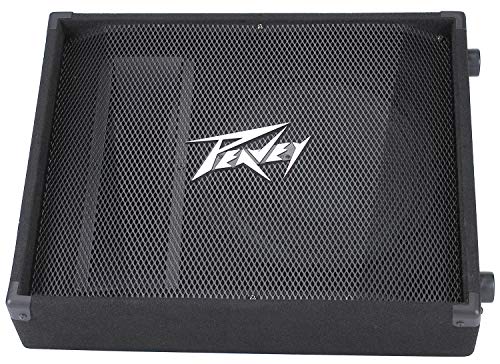
- 500W program power handling
- 12-inch woofer with titanium compression driver
- Angled floor placement and pole mount support
Best For: Durable live monitoring with a fuller 12-inch sound
Ultra-Portable Monitor Speaker
Mackie SRM150 5.25-Inch Compact Active PA

- Only 7.6 pounds for easy transport
- 150W Class-D power with built-in limiter
- Mic stand integration and XLR connectivity
Best For: Solo performers and tiny setups needing maximum portability
Powerful Floor Monitor
Samson RSXM12A 800W Two-Way Active Monitor
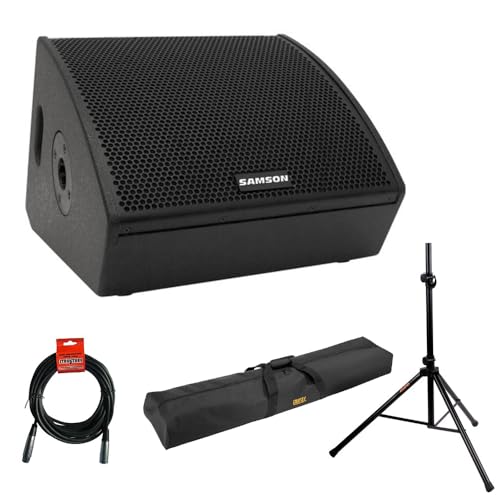
- 800W Class-D amp for strong live output
- 12-inch woofer plus 1-inch horn-loaded tweeter
- FOH/monitor selector with XLR link output
Best For: Bands and performers needing a powerful wired floor monitor
Personal Space Monitor
Galaxy Audio NSPA Nano Spot 3-inch Monitor

- 3-inch ceramic driver for tight spaces
- 25-watt output with 150Hz-17kHz range
- Includes stand/wall mount and power supply
Best For: Personal monitoring and wall-mounted installs in small spaces
Feedback Control Wedge
Behringer EUROLIVE F1320D 300W Monitor Speaker

- 300W two-way powered monitor for live use
- Adjustable feedback filter and integrated limiter
- 12-inch woofer with 1-inch compression driver
Best For: Performers and playback setups needing feedback control
Pro-Grade Passive Wedge

- 600W RMS passive design with 1200W max output
- Hardwood cabinet with DuraFlex coating
- SonicGuard HF protection for high-frequency safety
Best For: bands, venues, and engineers needing a rugged passive stage monitor
Ultra-Compact Powered Monitor
Behringer B105D Powered Monitor

- 50-watt powered design with 5-inch driver
- Bluetooth, USB MP3 playback, and 3-channel mixer
- Lightweight Class-D amp for easy transport
Best For: solo performers and small setups needing a versatile powered monitor
Road-Ready Large Wedge
Rockville RSM15P 15-Inch Monitor

- 1400W peak output with 15-inch woofer
- 70 x 50 horn coverage for wide dispersion
- Rugged MDF cabinet with steel grille and carpet finish
Best For: DJs and loud live setups needing a durable passive wedge
Compact Power Monitor – Samson RSXM10A 800W Active Stage Monitor
If you want a compact stage monitor with serious headroom, the Samson RSXM10A is built for loud live use without giving up portability. Its 800-watt Class D design, 10-inch driver, and coaxial cabinet layout make it a strong fit when you need clear onstage sound from a relatively manageable box.
Best For: Live performers, DJs, and engineers who need a compact active monitor with high output.
Pros:
- 800 watts of output for strong monitoring level
- 10-inch low-frequency driver with 1-inch tweeter
- Lightweight, all-wood compact coaxial cabinet
- XLR-1/4 combo input plus XLR link output
Cons:
- Mono output only
- Heavier than ultra-compact personal monitors at 30 pounds
For users who prioritize punch and flexible stage routing, the RSXM10A stands out as a practical monitor that can also pull double duty in DJ booths or small sound setups.
Mini All-In-One Monitor – Behringer EUROLIVE B207MP3 150W Powered Monitor
Behringer EUROLIVE B207MP3 Active 150 Watt 6.5" PA/Monitor Speaker System with MP3 Player
Check Price On AmazonThe Behringer EUROLIVE B207MP3 is one of the more versatile compact stage monitors if you need a small powered speaker that can do more than basic monitoring. With a built-in MP3 player, four-channel mixer, and Bluetooth support, it is aimed at simple setups where convenience matters as much as size.
Best For: Vocalists, keyboard players, and small event setups that need a compact monitor with playback features.
Pros:
- 150-watt Class D amplifier in a lightweight package
- Built-in four-channel mixer with three-band EQ
- MP3 player included for USB playback
- Bluetooth connectivity for compatible devices
Cons:
- 6.5-inch driver limits low-end compared with larger monitors
- Best suited to smaller rooms and intimate gigs
This is a smart pick when you need a compact stage monitor that can also handle quick music playback and simple input mixing without extra gear.
Road-Ready Floor Monitor – Peavey PV 12M 12-Inch Floor Monitor
The Peavey PV 12M is a larger compact stage monitor built for musicians who want a rugged floor wedge with more output and fuller vocal presence. Its 12-inch woofer, compression driver, and angled floor design make it a straightforward choice for live performance and studio monitoring.
Best For: Performers who want a durable 12-inch floor monitor with higher power handling.
Pros:
- 500 watts program power handling and 1,000 watts peak capacity
- 12-inch Sheffield Pro woofer with titanium-diaphragm compression driver
- Can be angled at 30 or 45 degrees from the floor
- Heavy-duty build with metal grille and steel handle
Cons:
- Bulkier and heavier than smaller compact monitors at 41 pounds
- Passive design requires external amplification
If your priority is stage durability and a larger sound footprint, the PV 12M is a practical monitor that fits well in demanding live setups.
Ultra-Portable Monitor Speaker – Mackie SRM150 5.25-Inch Compact Active PA
The Mackie SRM150 is a very compact stage monitor for users who want a lightweight powered speaker that is easy to carry and set up. With a built-in mixer, 150 watts of Class-D power, and a 5.25-inch full-range driver, it works well when portability is the top priority.
Best For: Solo performers, public speakers, and small studio setups that need a tiny active monitor.
Pros:
- Extremely portable at 7.6 pounds
- 150-watt Class-D power with built-in limiter
- Mic stand integration system for flexible placement
- Built-in mixer and XLR connectivity
Cons:
- 5.25-inch driver and 100Hz low end limit bass output
- Not water resistant
This is a strong choice for compact monitoring situations where easy transport, fast setup, and simple control matter more than full-range output.
Powerful Floor Monitor – Samson RSXM12A 800W Two-Way Active Monitor
If you want compact stage monitors with real punch, the Samson RSXM12A is built for small to medium live setups that need strong output from a floor-standing box. Its 12-inch woofer, 1-inch horn-loaded tweeter, and 800W Class-D amplification make it a practical choice when you need a monitor that can also handle FOH duties with the built-in selector switch.
Best For: Performers, bands, and event setups that need a powerful, wood-cabinet monitor with flexible placement options.
Pros:
- 800W Class-D amplification provides plenty of headroom for live performance use.
- 12-inch woofer and 1-inch horn-loaded tweeter deliver a full two-way monitor design.
- FOH/monitor selector switch adds flexibility for different stage or playback roles.
- XLR-1/4″ combo input and XLR link output make it easy to integrate into a wired rig.
Cons:
- At 12 inches, it is larger than ultra-compact personal monitors.
- Wood cabinet construction is sturdy, but not as lightweight as smaller plastic designs.
The RSXM12A is a solid pick if you need a stage monitor that prioritizes power, flexible routing, and a traditional two-way setup. It fits well in performance-focused rigs where output matters more than minimal size.
Personal Space Monitor – Galaxy Audio NSPA Nano Spot 3-inch Monitor
The Galaxy Audio NSPA is aimed at users who need compact stage monitors for personal listening or tight mounting spaces. With a 3-inch ceramic driver, 25 watts of output, and included stand/wall mount hardware, it works well when you want a small monitor that can fit where larger wedges would be impractical.
Best For: Personal monitoring, wall-mounted installs, and small spaces that need a very compact speaker.
Pros:
- Very small 3-inch design is easy to place in tight areas.
- Includes stand/wall mount hardware for flexible installation.
- 25-watt output and 150Hz-17kHz response suit close-range monitor use.
- Can run from 24VDC phantom power or an 18VDC power supply.
Cons:
- 3-inch driver and 25-watt output are not meant for larger stage coverage.
- Low-end extension is limited compared with full-size monitor wedges.
The NSPA makes sense when portability and placement flexibility matter more than big-room output. For compact installations or very near-field monitoring, it offers a simple, small-footprint solution.
Feedback Control Wedge – Behringer EUROLIVE F1320D 300W Monitor Speaker
The Behringer EUROLIVE F1320D is a practical option for players looking for compact stage monitors with built-in control features. It uses a 12-inch woofer, 1-inch compression driver, and 300-watt two-way design, while the adjustable feedback filter and integrated limiter help it stay usable in live and playback applications.
Best For: Live performers and playback setups that want a monitor with onboard feedback control and a full-size driver.
Pros:
- 300-watt two-way monitor design offers substantial output for stage use.
- Adjustable feedback filter helps manage troublesome stage squeal.
- Integrated limiter and sound processor add protection and system control.
- 12-inch woofer and 1-inch compression driver provide a familiar monitor format.
Cons:
- At 19.5″ x 19.5″ x 18″, it is not the smallest compact monitor option.
- Weighing 33.1 pounds, it is less convenient for frequent carrying than tiny personal monitors.
This model is a good fit if you want a stage monitor that balances output with practical feedback management tools. It is especially appealing for users who need a straightforward powered wedge for live work.
Pro-Grade Passive Wedge – JBL PRX412M 12-Inch Monitor
If you need compact stage monitors that can also handle serious PA duties, the JBL PRX412M is built for exactly that kind of flexible use. This 12-inch passive wedge pairs tour-tested JBL components with a hardwood cabinet and DuraFlex coating, making it a practical pick for stage monitoring, studio monitoring, or general live sound reinforcement.
Best For: Bands, venues, and engineers who want a rugged passive monitor with strong output and a natural sound.
Pros:
- 600-watt RMS power handling with up to 1200 watts maximum output
- SonicGuard HF-driver protection for added high-frequency safety
- 12-inch woofer and 1-inch tweeter for full-range monitor coverage
- Hardwood construction with DuraFlex coating for road-ready durability
Cons:
- Passive design requires external amplification
- Large 12-inch cabinet is less compact than smaller monitor options
- Weighs 35 pounds, so it is not the lightest stage monitor to move
The PRX412M makes sense when you want a dependable passive wedge that can keep up with louder stages. It is not the smallest monitor here, but its power handling and build quality make it a strong option for users prioritizing performance over ultra-portability.
Ultra-Compact Powered Monitor – Behringer B105D Powered Monitor
For compact stage monitors in tight setups, the Behringer B105D is a small powered option that covers vocal and keyboard monitoring, home recording, and other light live applications. Its 5-inch driver, built-in 3-channel mixer, Bluetooth connectivity, and MP3 playback support make it especially practical when you want one small speaker to do several jobs.
Best For: Solo performers, home studios, and small event setups that need a lightweight powered monitor.
Pros:
- Ultra-compact powered monitor with 50 watts of output
- Bluetooth and USB MP3 playback for flexible source options
- 3-channel mixer with 3-band EQ for quick sound shaping
- Lightweight Class-D amplifier design keeps it easy to manage
Cons:
- 5-inch driver limits low-end and overall output compared with larger monitors
- Best suited to small rooms and lighter monitoring duties
- Battery life is listed at 5 hours, which may matter for mobile use
The B105D is a smart buy if your priority is portability and convenience over stage volume. It is one of the most flexible compact stage monitors here, but its smaller size means it fits best in modest monitoring roles rather than loud performance settings.
Road-Ready Large Wedge – Rockville RSM15P 15-Inch Monitor
If your compact stage monitors need to prioritize output over size, the Rockville RSM15P is the most powerful option in this group. It uses a 15-inch woofer, a 1.75-inch titanium compression driver, and an angled wedge enclosure to deliver strong stage monitoring for live music, DJs, and PA use.
Best For: DJs and loud live setups that need a rugged passive monitor with wide coverage.
Pros:
- 1400 watts peak power for strong output in demanding environments
- 70 degree x 50 degree horn coverage for even sound dispersion
- Dual 1/4-inch and Speakon connections for easy system integration
- Rugged MDF cabinet with steel grille and carpet finish
Cons:
- 15-inch cabinet is larger than typical compact stage monitors
- Passive design requires external amplification
- At 54.9 pounds, it is heavy for frequent carry-and-set use
The RSM15P is best viewed as a high-output wedge for users who need more volume and coverage than a small monitor can provide. It is sturdy and flexible, but its size and weight make it better for bigger rigs than truly compact setups.
How We Picked These Compact Stage Monitors
We focused on models that balance size, output, and real-world usability for live performance. Priority went to monitors that are easy to place, useful for vocals or mixed instruments, and practical for small to mid-sized stages. We also looked at power type, speaker size, portability, and features that matter in live use, such as feedback control, onboard playback, or versatile mounting.
Quick Comparison
As a group, these options cover several use cases: ultra-small personal monitoring for tight stages, 5- to 6.5-inch powered models for speech and vocals, and larger 12- to 15-inch designs for fuller floor monitoring and higher stage volume. Powered units are typically the easiest choice for plug-and-play setups, while passive models can make sense if you already own an amplifier or want to build a more flexible rig.
Key Buying Factors for Compact Stage Monitors
Power and Headroom
More power is not just about loudness; it also helps the monitor stay clear when the mix gets dense. For vocals and acoustic instruments, modest wattage may be enough in small rooms. For louder bands, look for a monitor with enough headroom to stay clean without harshness or distortion.
Speaker Size and Coverage
Smaller drivers are easier to transport and fit into cramped setups, but they may not deliver as much low-end presence. Larger drivers usually provide more fullness and projection, which can be helpful on louder stages. Think about whether you need a compact personal wedge or a monitor that can also handle broader PA duties.
Active Vs. Passive
Active Compact Stage Monitors include built-in amplification, making them simpler to set up and faster to deploy. Passive models require an external power amp, but they can be a smart choice if you already have matching gear or need to integrate monitors into a larger system.
Useful Features
Features like feedback filters, EQ shaping, and multiple input options can be especially valuable in compact setups where space is limited and sound reinforcement needs to be efficient. Built-in media playback can also be useful for solo performers, but it is less important for traditional stage use.
Who Should Buy Which Compact Stage Monitors?
Solo performers, small worship teams, and rehearsal spaces may prefer the most portable powered options for easy setup and simple monitoring. Vocalists and acoustic acts often benefit from compact models with clear mids and manageable volume. If you need more stage fill for a louder band, step up to a larger wedge with greater output and cabinet size. For users with existing amplification, passive monitors can deliver strong performance while keeping the system modular. In short, the best Compact Stage Monitors are the ones that match your stage size, volume level, and setup style rather than simply the biggest model available.