
The right lavalier microphone keeps vocals clear while letting performers move naturally across a stage, set, or presentation space. The best choice depends on compatibility, pickup pattern, wireless range, durability, and how much setup flexibility you need.
We’ve gathered 10 lavalier microphones for performance, from dependable wired condensers to wireless bodypack systems with extended range. Use the guide below to match your venue, equipment, and performance style with the right microphone.
Best 10 Lavalier Microphones for Performance Picks for 2026
Professional Wireless Choice
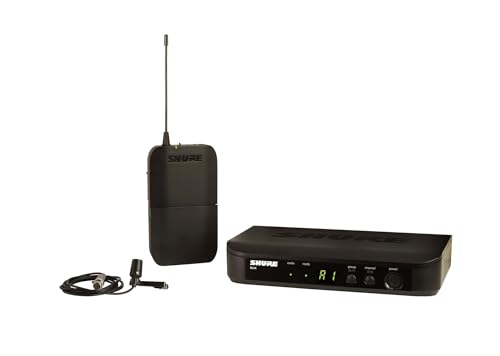
- Cardioid CVL lavalier for focused speech pickup
- Up to 300 ft line-of-sight range
- Up to 14 hours from two AA batteries
Best For: Presentations, conferences, classrooms, and worship spaces
Wired Vocal and Instrument Pick

- Cardioid condenser design for vocal clarity
- Includes an acoustic-guitar instrument adapter
- Runs on battery or phantom power
Best For: Wired vocals, acoustic guitar, and sound reinforcement
Dual-Performer Wireless Set

- Two bodypacks with lapel and headset microphones
- 30 tunable frequency groups in the 500 MHz band
- Up to 200 ft open-space line-of-sight range
Best For: Two-person speaking, church, DJ, and event setups
Discreet Wired Performer Mic

- Omnidirectional 4.0mm capsule
- Standard 3.5mm TRS connector
- Includes pop shield and Kevlar-reinforced cable
Best For: Filmmaking, streaming, video calls, and compatible wireless transmitters
Best Long-Range System
TONOR TW388 Wireless Lavalier System

- Eight bodypacks and channels for larger setups
- Stated 295-foot UHF transmission range
- Includes headset and lapel microphones
Best For: Multi-performer events and large performance spaces
Best Low-Profile Microphone
Shure Centraverse CVL Lavalier

- Miniature clip-on design for discreet use
- Cardioid pickup helps reject unwanted noise
- TA4F connector for Shure wireless bodypacks
Best For: Presenters with compatible Shure wireless equipment
Reliable Wired Clarity
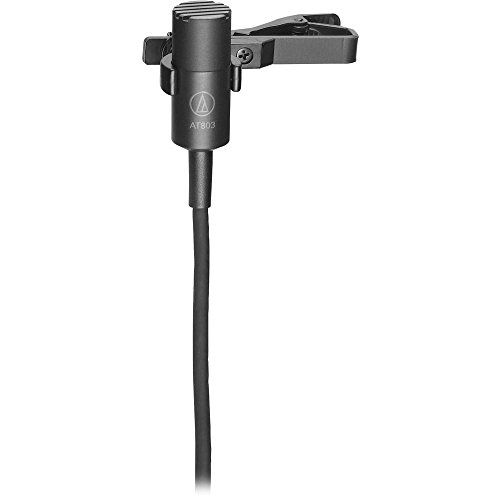
- Omnidirectional condenser pickup
- Phantom or AA-battery power
- Includes clip, windscreen, and case
Best For: Wired stage, broadcast, lecture, and field setups
Wireless Performance Freedom
Phenyx Pro PDP-1-1B Wireless Lavalier System

- Includes lavalier and headset microphones
- 15 tunable UHF frequencies
- USB-C rechargeable transmitter and receiver
Best For: Mobile performers, karaoke, church, wedding, and small-stage use
Professional Wireless Choice – Shure BLX14/CVL
For presenters who need dependable movement, the Shure BLX14/CVL is a practical pick among lavalier microphones for performance. Its CVL cardioid lavalier is designed to focus on speech, while the UHF system provides up to approximately 300 feet of line-of-sight range and up to 14 hours of transmitter operation with two AA batteries. Verify that the H10 frequency band is authorized in your region before ordering.
Best For: Presentations, conferences, classrooms, worship spaces, and other speech-focused performances.
Pros:
- Includes the receiver, bodypack transmitter, CVL lavalier, clip, windscreen, batteries, and power supply.
- Cardioid pickup helps reduce surrounding noise for spoken-word use.
- Offers approximately 300 feet of line-of-sight range and up to 14 hours of battery life.
- Supports up to 12 compatible systems per band.
Cons:
- The H10 542–572 MHz band may not be authorized in every location.
- This is a single-channel system.
The BLX14/CVL stands out when speech clarity, wireless range, and straightforward setup matter more than multi-channel expansion. It is a focused solution for presenters and performers working in compatible frequency regions.
Wired Vocal and Instrument Pick – Audio-Technica PRO70
The Audio-Technica PRO70 is a flexible wired option among lavalier microphones for performance, especially when you also need to mic an acoustic guitar. Its miniature cardioid condenser capsule offers articulate vocal reproduction, and the included power module supports battery or phantom-power operation.
Best For: Vocalists, acoustic guitarists, sound reinforcement, and wired recording setups.
Pros:
- Cardioid pattern helps limit sound pickup from the sides and rear.
- Works for both clip-on vocals and acoustic guitar with the included instrument adapter.
- Operates from a battery or phantom power.
- Includes a clothing clip and low-frequency roll-off.
Cons:
- Its wired XLR connection does not provide the freedom of a wireless system.
- Requires a compatible XLR recording or sound-reinforcement setup.
Choose the PRO70 when consistent wired connectivity and dual vocal/instrument use are priorities. The cardioid design is useful for isolation, while the instrument adapter adds versatility for acoustic performances.
Dual-Performer Wireless Set – Phenyx Pro PTU-52-2B
For two performers or presenters, the Phenyx Pro PTU-52-2B offers a broader setup than single-transmitter lavalier microphones for performance. It includes two bodypacks, two lapel mics, and two headsets, with 30 tunable frequency groups in the 500 MHz band and an operating distance of up to 200 feet in open line of sight.
Best For: Churches, conferences, instruction, DJ use, weddings, and events requiring two wireless speakers or performers.
Pros:
- Includes two bodypack transmitters, two lapel mics, and two headset mics.
- Offers 30 tunable frequency groups and supports up to three units simultaneously.
- Frequency hopping and automatic pairing are designed for quick setup.
- Provides two XLR outputs plus a mixed 1/4-inch output.
Cons:
- The stated 200-foot range is for open-space line-of-sight use.
- The system operates in a specified 500 MHz band, so local frequency compliance should be checked.
- It is a larger multi-piece system than a simple single-lavalier setup.
The PTU-52-2B is a strong value when two people need hands-free wireless audio and you want headset and lapel choices in one package. Its flexible outputs also make it easier to connect with mixers, speakers, and amplifiers.
Discreet Wired Performer Mic – RØDE Lavalier GO
The RØDE Lavalier GO is a compact wired choice among lavalier microphones for performance, filmmaking, streaming, and video calls. Its 3.5mm TRS connector works with compatible cameras, audio interfaces, and wireless transmitters, while the omnidirectional capsule is forgiving when placement changes during a fast-paced shoot.
Best For: Filmmaking, broadcast, streaming, video calls, and use with compatible wireless transmitters.
Pros:
- Ultra-discreet 4.0mm capsule provides broadcast-grade audio capture according to the supplied notes.
- Omnidirectional pickup allows flexible placement on talent.
- Includes a foam pop shield and clip with built-in cable management.
- Kevlar-reinforced 1.2-meter cable is designed for durability.
Cons:
- It is a microphone only, so a compatible camera, interface, or transmitter is required.
- The omnidirectional pattern may capture sound from all around the microphone.
- The 3.5mm TRS connector is not the same as an XLR connection.
The Lavalier GO makes sense for creators who already have compatible recording or wireless equipment and want a small, easy-to-rig microphone. Its forgiving pickup and included pop shield are particularly useful when talent placement cannot be perfectly controlled.
Best Long-Range System – TONOR TW388 Wireless Lavalier System
For performances where presenters or performers need room to move, the TONOR TW388 is a flexible choice among lavalier microphones for performance. Its UHF system offers a stated 295-foot range, while the included bodypacks support both lapel and headset microphones.
Best For: Church services, weddings, classes, speeches, and performances requiring multiple wireless transmitters.
Pros:
- Eight bodypack transmitters and eight channels support larger setups.
- UHF transmission and four antennas are designed for stable operation up to 295 feet.
- Auto-pairing, frequency memory, battery display, and bodypack mute simplify operation.
- Includes both headset and lapel microphones for hands-free use.
Cons:
- Each bodypack requires two AA batteries, which are not included.
- The system’s multiple components may be more than a small performance needs.
The TW388 stands out when range, channel capacity, and flexible microphone options matter. Its 6.35 mm and XLR outputs also make it suitable for mixers, PA systems, amplifiers, and speakers.
Best Low-Profile Microphone – Shure Centraverse CVL Lavalier
The Shure Centraverse CVL is a compact wired lavalier for speakers and performers who want a discreet microphone connected to a compatible wireless bodypack. Its cardioid condenser capsule is designed to focus on the wearer’s voice while rejecting unwanted noise.
Best For: Presentations, public speaking, and performance setups already using Shure wireless bodypacks.
Pros:
- Miniature design and included tie clip provide low-visibility, hands-free use.
- Cardioid polar pattern helps reject unwanted sound.
- Included windscreen reduces plosives, wind, and breath noise.
- TA4F (TQG) connector integrates with Shure wireless systems.
Cons:
- It is a microphone only and does not include a wireless receiver or bodypack.
- The TA4F connector limits compatibility to suitable Shure or compatible systems.
- As a condenser microphone, it requires the appropriate power from the connected system.
The CVL is a focused choice for buyers who already have compatible Shure wireless equipment and prioritize discreet vocal pickup. It is less suitable as a complete standalone performance system.
Best Single-Performer Kit – TONOR TW621 Wireless Lavalier
The TONOR TW621 is a practical single-bodypack option for performers, instructors, and speakers who need hands-free audio without assembling a larger system. It includes a lapel mic, headset mic, rechargeable receiver, and 15 selectable frequencies.
Best For: Teaching, fitness instruction, church events, conferences, speeches, and smaller performances.
Pros:
- Stated 200-foot line-of-sight wireless range supports movement.
- Includes both lapel and headset microphones for setup flexibility.
- Receiver offers approximately 6–8 hours of use after a 2–3 hour charge.
- LCD display, volume control, mute switch, and 15 frequency options aid day-to-day use.
Cons:
- The bodypack requires two AA batteries, which are not included.
- It connects through a 6.35 mm output and is not Bluetooth-compatible.
- It requires a speaker, mixer, amplifier, or PA system and cannot play sound independently.
For one performer or presenter, the TW621 balances useful range and straightforward controls with a choice of headset or lavalier microphones. Confirm that your sound system has a compatible 6.35 mm microphone input before buying.
Stage-Ready Detail – Shure-Compatible Super Cardioid Lavalier
For shoppers comparing lavalier microphones for performance, this compact super-cardioid condenser model emphasizes focused vocal pickup, a durable metal build, and discreet stage wear. Its TA4F Mini XLR connector is designed specifically for compatible Shure wireless systems.
Best For: Stage performances, worship services, broadcasting, lectures, fitness instruction, and vocal performances using compatible Shure bodypacks.
Pros:
- Super-cardioid pickup helps focus on the performer’s voice.
- Metal casing, clip, and shielded cable support regular professional use.
- Includes a foam windscreen and lightweight collar clip.
- Compatible with a broad range of listed Shure wireless systems.
Cons:
- Only compatible with Shure systems because of its internal wiring.
- Requires phantom power.
- The included cable is relatively short at 3.28 feet.
This is a practical choice when focused pickup and a low-profile design matter, but verify the bodypack system before ordering. It is not a universal Mini XLR lavalier.
Reliable Wired Clarity – Audio-Technica AT803 Lavalier
The Audio-Technica AT803 is a wired option for buyers seeking lavalier microphones for performance with consistent omnidirectional pickup. Its condenser element, XLR3M connector, and selectable phantom or AA-battery power suit stage, lecture, broadcast, and field setups.
Best For: Lecturers, stage and TV performers, broadcasters, and field-recording users who need a wired XLR connection.
Pros:
- Omnidirectional pattern captures sound consistently from all directions.
- 80 Hz low-frequency roll-off helps reduce rumble.
- Supports 11–52V phantom power or a 1.5V AA battery.
- Includes a clothing clip, windscreen, and protective carrying case.
Cons:
- Wired operation limits movement compared with wireless systems.
- Requires an XLR-compatible setup or suitable adapter.
- Its plastic enclosure may be less rugged than a metal-bodied alternative.
The AT803 is a flexible, established wired lavalier for performance environments where dependable omnidirectional coverage and flexible powering are more important than wireless freedom.
Wireless Performance Freedom – Phenyx Pro PDP-1-1B Wireless Lavalier System
For performers who need mobility, the Phenyx Pro PDP-1-1B combines a lavalier microphone with a headset, bodypack transmitter, and receiver. It is a complete wireless option among lavalier microphones for performance, with digital UHF transmission, frequency selection, and USB-C rechargeable batteries.
Best For: Karaoke, small-stage performances, weddings, churches, teaching, and indoor or outdoor events using powered speakers, mixers, amplifiers, or PA systems.
Pros:
- Includes both lapel/lavalier and headset microphones.
- Offers 15 tunable UHF frequencies from 902–928 MHz.
- Provides a stated 160–200-foot line-of-sight range.
- Rechargeable receiver and transmitter use USB-C charging.
Cons:
- Requires managing a receiver and bodypack rather than using a standalone mic.
- Range depends on line of sight and keeping the antenna positioned upward.
- The receiver’s primary output is a 6.35 mm plug, so some setups may need an adapter.
This system is the strongest fit for performers who value cable-free movement and an all-in-one package. Its included adapters broaden connectivity, while the frequency and range specifications make it suited to small live setups.
How We Picked These Lavalier Microphones for Performance
We focused on microphones and systems suited to live speech, theater, presentations, interviews, studio work, and other performance settings. Selection criteria included vocal clarity, pickup pattern, connector or receiver compatibility, wireless operating range, frequency flexibility, wearing comfort, build quality, and setup requirements.
Because no single lavalier fits every production, this list includes both wired and wireless models. Wired microphones can offer dependable operation with minimal radio-frequency concerns, while wireless systems provide greater freedom of movement but require batteries, frequency planning, and compatible receivers.
Quick Comparison
| Best For | What to Prioritize |
|---|---|
| Stage and theater | Secure mounting, feedback control, clear speech, and reliable wireless operation |
| Presentations and events | Simple setup, comfortable wear, and sufficient range for the room |
| Interviews and video | Natural voice reproduction, connector compatibility, and low handling noise |
| Multi-performer productions | Multiple channels, tunable frequencies, and accessible battery replacement |
| Budget-conscious setups | Complete system contents, included accessories, and receiver compatibility |
Key Buying Factors for Lavalier Microphones for Performance
Pickup Pattern
Omnidirectional lavaliers capture sound from a wider area and are often forgiving when the performer turns their head. Cardioid and supercardioid designs reject more sound from the sides or rear, which can help in noisy venues but require more consistent placement.
Wired Versus Wireless Operation
A wired model avoids radio interference and battery management, making it practical for seated interviews, fixed presentations, and controlled stages. Wireless bodypack systems are better when performers need to move freely, but check operating frequencies, range claims, antenna design, and local spectrum requirements before buying.
Compatibility and Connectors
Confirm whether the microphone connects directly to a camera, mixer, transmitter, or bodypack. Mini XLR, standard XLR, locking connectors, and proprietary wireless connections are not interchangeable without the correct adapter or transmitter. Also verify whether phantom power, plug-in power, or a dedicated receiver is required.
Placement and Feedback Control
Clip the microphone near the upper chest, keep it away from necklaces and loose clothing, and position the capsule consistently between performers. In amplified rooms, directional models and careful gain staging may reduce feedback, while excessive clothing movement can create distracting noise with any lavalier.
Who Should Buy Which Lavalier Microphones for Performance?
Choose a wired Audio-Technica or Shure lavalier when reliability, straightforward installation, and compatibility with existing audio equipment matter most. A wireless Shure, Phenyx Pro, or TONOR system makes more sense for performers, presenters, and event hosts who need to move around a room or stage.
For productions with several speakers, prioritize systems offering multiple tunable frequencies or multiple bodypacks. For interviews and video work, favor a microphone with natural speech reproduction and a connector that matches your camera or recording interface. If you are building a first wireless setup, select a complete transmitter-and-receiver package and confirm its stated range is realistic for your venue.