
The best dynamic microphones make it easier to capture focused, intelligible sound in busy rooms, untreated spaces, and live settings. This roundup compares 10 options spanning stage vocals, podcasting, streaming, gaming, and home recording.
We’ve included dependable XLR models, flexible USB/XLR microphones, and budget-friendly kits so you can match connectivity, sound, and features to the way you plan to record.
Best 10 Dynamic Microphones Picks for 2026
Classic Vocal Choice

- Focused cardioid vocal pickup
- Rugged build with pop protection
- Includes 25-foot XLR cable
Best For: Live vocals, speech, karaoke, and basic recording
Simple Stage Value
Sennheiser XS 1 Handheld Microphone

- Cardioid handheld dynamic design
- Silent mute switch for live use
- Includes clip and carrying pouch
Best For: Singing, speech, karaoke, and stage setups
Podcasting Workhorse
RØDE PodMic XLR Broadcast Microphone

- Speech-focused broadcast dynamic capsule
- Internal pop filter and shock mounting
- Requires an XLR interface or mixer
Best For: Podcasting, streaming, and voice recording
Professional Broadcast Pick
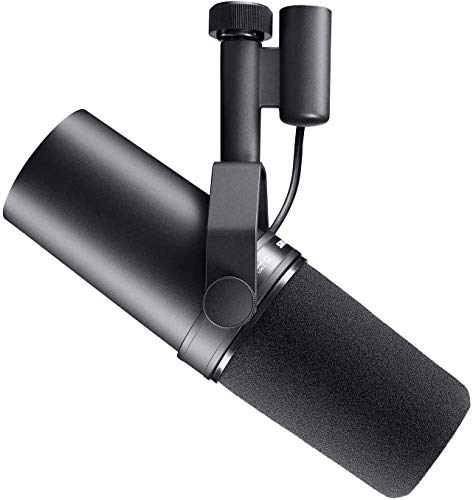
- Warm, balanced close-mic vocals
- Excellent isolation and pop protection
- Needs an XLR setup with strong gain
Best For: Professional podcasting, streaming, voiceover, and studio vocals
Best Smart-Controlled Pick

- USB-C and XLR connectivity
- Built-in denoiser and Auto Level Mode
- Includes adjustable desktop stand
Best For: Podcasters and streamers wanting automated voice processing
Best Budget Stage Pick

- Unidirectional cardioid pickup
- Rugged zinc-alloy construction
- Includes 15-foot XLR cable
Best For: Live vocals, karaoke, and amplified instruments
Best Starter Podcast Pack

- USB-C and XLR outputs
- Includes stand, windscreen, and cables
- Unidirectional dynamic design
Best For: Beginners building a podcast or home recording setup
Versatile Podcast Pick

- USB and XLR connectivity
- Boom arm, shock mount, and windscreen included
- USB mute, gain, and headphone controls
Best For: Podcasters and streamers wanting a flexible USB/XLR setup
Studio-Style Speech Choice

- USB-C and XLR outputs
- APHEX DSP over USB
- Zero-latency headphone monitoring
Best For: Podcasters and streamers seeking processed speech from one mic
RGB Gaming Setup Pick

- USB and XLR connectivity
- Customizable onboard RGB lighting
- Boom arm and headphone controls included
Best For: Gamers and streamers building an RGB-enabled desk setup
Classic Vocal Choice – Shure SM58 with XLR Cable
Among dynamic microphones, the Shure SM58 remains a practical choice for singers, presenters, and performers who need focused vocal sound and dependable construction. Its cardioid pattern helps reduce background noise, while the included 25-foot XLR cable makes setup easier for compatible mixers and interfaces.
Best For: Live vocals, stage speech, karaoke, and basic studio recording.
Pros:
- Tailored vocal response with enhanced midrange presence.
- Cardioid pickup pattern helps isolate the main voice source.
- Built-in pop and wind protection plus rugged metal construction.
- Includes a 25-foot XLR cable, stand adapter, and storage bag.
Cons:
- Uses XLR connectivity rather than USB.
- Best suited to vocal-focused use rather than broad instrument capture.
The SM58 is a straightforward, proven option when durability and consistent vocal clarity matter more than extra controls or a USB connection.
Simple Stage Value – Sennheiser XS 1 Handheld Microphone
The Sennheiser XS 1 is one of the more approachable dynamic microphones for singers and speakers who want a conventional handheld setup. Its unidirectional cardioid pattern is designed for focused pickup, and the silent mute switch adds useful control during live use.
Best For: Singing, speech, karaoke, and connection to amplifiers, mixers, or speakers.
Pros:
- Cardioid pattern focuses pickup toward the performer.
- Silent mute switch is convenient for stage use.
- Metal enclosure and handheld design suit regular performance use.
- Includes a mic clip and carrying pouch.
Cons:
- Requires a compatible 3-pin XLR connection.
- Offers fewer included accessories than some bundled vocal microphones.
Choose the XS 1 if you want a simple handheld dynamic microphone with basic stage-friendly features and portable accessories.
Podcasting Workhorse – RØDE PodMic XLR Broadcast Microphone
The RØDE PodMic is a purpose-built option among dynamic microphones for speech-focused recording. Its broadcast-tuned capsule, internal pop filter, and shock mounting help manage plosives and desk noise, but you will need an XLR audio interface, mixer, or RØDECaster to use it.
Best For: Podcasting, streaming, voice recording, and untreated-room speech capture.
Pros:
- Broadcast-style dynamic capsule is tuned for spoken voice.
- Internal pop filter helps reduce plosives.
- Integrated shock mounting helps limit desk thumps.
- All-metal body and integrated swing mount provide a sturdy desktop setup.
Cons:
- Requires a separate XLR interface or mixer.
- Not a USB microphone for direct computer connection.
The PodMic makes the most sense for creators building an XLR speech setup and wanting built-in protection against common podcasting noises.
Professional Broadcast Pick – Shure SM7B Dynamic Microphone
The Shure SM7B is a premium choice among dynamic microphones for close-mic vocals, broadcasting, podcasting, and studio work. Its cardioid design, air-suspension isolation, pop filtering, and electromagnetic shielding are built for controlled, polished recordings, though its XLR output needs a capable preamp or interface with substantial gain.
Best For: Professional podcasting, streaming, voiceover, vocal recording, and broadcast work.
Pros:
- Warm, balanced vocal character with wide-range frequency response.
- Cardioid pickup and air suspension help reduce room and handling noise.
- Built-in pop filtering with included close-talk and foam windscreens.
- Rugged metal build with electromagnetic shielding.
Cons:
- Requires an XLR interface or mixer.
- At least 60 dB of gain is recommended for its intended tone.
- Heavier and more substantial than a typical handheld vocal microphone.
The SM7B is a strong investment for creators and engineers who already have suitable XLR equipment and want refined, isolated vocal capture.
Best Smart-Controlled Pick – Shure MV7+ USB-C & XLR
If you want a flexible dynamic microphone for podcasting, streaming, or recording, the Shure MV7+ combines USB-C and XLR connectivity with hands-on digital controls. Its Voice Isolation Technology, real-time denoiser, Auto Level Mode, and virtual pop filter are designed to produce clean, balanced speech with less manual adjustment.
Best For: Podcasters, streamers, and creators who want advanced voice processing, app control, and both computer and traditional studio connectivity.
Pros:
- USB-C and XLR connections support beginner and pro setups.
- Voice isolation, denoising, Auto Level Mode, and a digital pop filter help refine speech.
- Includes an adjustable desktop stand, USB-C cable, and foam windscreen.
- LED touch panel provides mute control and customizable lighting.
Cons:
- At 3.6 pounds, it is relatively heavy for a desktop microphone.
- Advanced app and DSP features may be more than a simple setup requires.
The MV7+ is a feature-rich choice among dynamic microphones, particularly when clean spoken audio and flexible connectivity matter more than keeping the setup minimal.
Best Budget Stage Pick – Pyle PDMIC58 Dynamic Cardioid
The Pyle PDMIC58 is a straightforward wired dynamic microphone for vocals, karaoke, stage use, and amplified instruments. Its unidirectional cardioid pattern helps focus on the main source, while the rugged zinc-alloy body, steel mesh windscreen, and included 15-foot cable make it practical for basic live setups.
Best For: Singers, karaoke users, and performers who need an affordable handheld microphone with an included XLR-to-1/4-inch cable.
Pros:
- Cardioid pickup helps minimize background noise and feedback.
- Rugged all-metal construction is suited to demanding use.
- Built-in pop filter and windscreen reduce breath and pop noise.
- Includes a 15-foot cable and requires no batteries.
Cons:
- Uses wired XLR connectivity rather than USB.
- Its 50Hz–15kHz frequency range is less broad than some recording-focused options.
- The supplied cable terminates in a 1/4-inch connection, which may require suitable equipment.
Among dynamic microphones, this Pyle model stands out as a simple, durable option for live vocals and general-purpose audio where low cost and included accessories are priorities.
Best Starter Podcast Pack – Samson Q2U USB/XLR
The Samson Q2U is a practical entry point for anyone comparing dynamic microphones for podcasting or home recording. It connects to a computer through USB-C or to traditional audio equipment through XLR, and the pack includes a tripod stand, extension, mic clip, windscreen, and both connection cables.
Best For: New podcasters and home creators who want one microphone that can work with a computer now and an XLR setup later.
Pros:
- USB-C and XLR connectivity provide setup flexibility.
- Includes a tripod desktop stand, extension, clip, windscreen, and two cables.
- Unidirectional pickup is suited to focused spoken-word recording.
- Metal enclosure keeps the microphone compact and durable.
Cons:
- Its listed frequency range is limited to 50Hz–15kHz.
- The supplied desktop stand is intended for tabletop use rather than a full boom-arm setup.
The Q2U is a sensible all-in-one choice for beginners: it keeps the initial setup simple while preserving an upgrade path to XLR equipment.
Versatile Podcast Pick – FIFINE AmpliTank K688CT
The FIFINE AmpliTank K688CT is one of the more flexible dynamic microphones for podcasting, streaming, and voice recording. USB provides plug-and-play convenience, while XLR supports an audio interface or mixer setup. Its cardioid pattern, included windscreen, shock mount, and boom arm are designed to help keep vocals clear and reduce unwanted handling and room noise.
Best For: Podcasters and streamers who want USB simplicity now with an XLR upgrade path later.
Pros:
- USB and XLR connections support both computer and interface-based recording.
- Tap-to-mute, gain, headphone monitoring, and volume controls are available in USB mode.
- Includes a metal boom arm, shock mount, and windscreen for a practical recording setup.
- Cardioid pickup and a 130dB SPL rating support focused, consistent vocal capture.
Cons:
- Microphone controls are inactive when using the XLR connection.
- The included C-clamp fits desks under 2 inches thick.
- Best input volume requires close placement, approximately 2 to 6 inches from the mic.
Choose the K688CT if you want a complete dynamic microphone kit with useful USB controls and the flexibility to move to XLR hardware. It is especially practical for creators building a desk-based recording station.
Studio-Style Speech Choice – RØDE PodMic USB
The RØDE PodMic USB is a broadcast-focused dynamic microphone for podcasts, streams, voiceovers, and other speech applications. Its USB-C and XLR outputs make it suitable for direct computer recording or an interface setup, while onboard APHEX DSP can add compression and presence when using USB.
Best For: Speech-focused creators who want built-in processing and zero-latency monitoring.
Pros:
- USB-C and XLR connectivity supports both computer and studio workflows.
- Onboard APHEX DSP provides compression and presence over USB through the free app.
- Broadcast dynamic capsule helps reject keyboard noise and room echo.
- Headphone output enables zero-latency voice monitoring.
Cons:
- At 1.9 pounds, it is relatively substantial for a microphone.
- The swing mount is included, but a boom arm is not listed in the supplied contents.
- Its design is optimized for speech rather than a broad range of recording applications.
The PodMic USB stands out among dynamic microphones for creators who want a polished speech workflow without immediately adding external processing. USB DSP and direct monitoring make it a strong fit for podcast and streaming desks.
RGB Gaming Setup Pick – FIFINE AmpliGame AM8T
The FIFINE AmpliGame AM8T combines a dynamic microphone with a boom arm for gaming, streaming, podcasting, and voiceovers. USB offers straightforward computer setup, while XLR connects to a mixer or audio interface. Customizable RGB lighting, a mute button, gain control, and headphone monitoring make it tailored to a hands-on gaming desk.
Best For: Gamers and streamers who want a complete dynamic microphone kit with RGB lighting.
Pros:
- USB plug-and-play and XLR connectivity support different recording setups.
- RGB modes and colors can be changed or switched off from the microphone.
- Includes boom arm, windscreen, mute control, gain knob, and headphone volume control.
- Cardioid pickup is designed to limit background noise during streams and recordings.
Cons:
- An XLR cable is not included.
- The desk clamp fits desktops under 2 inches thick.
- Its RGB features may matter less in audio-only recording setups.
The AM8T is a practical choice if your priority is a ready-to-assemble gaming or streaming station with visual customization. Its USB/XLR flexibility also leaves room to expand into interface-based recording.
How We Picked the Best Dynamic Microphones
We selected these microphones based on their intended use, connection options, pickup pattern, reputation for vocal clarity, construction, included accessories, and overall value. The list covers established stage microphones such as the Shure SM58, broadcast-focused choices such as the RØDE PodMic and Shure SM7B, and versatile USB/XLR models for creators who want an easy upgrade path.
Because microphone performance depends heavily on the room, voice, interface, and placement, we focused on practical strengths rather than declaring one universal winner. A microphone that works well for a loud stage may not be the best choice for a quiet podcast desk.
Quick Comparison
- Best for live vocals: Shure SM58
- Best premium podcast microphone: Shure SM7B
- Best for USB/XLR flexibility: Shure MV7+ or RØDE PodMic USB
- Best value for beginners: Samson Q2U
- Best for gaming and streaming: FIFINE AmpliGame AM8T
- Best budget broadcast option: FIFINE AmpliTank K688CT or Pyle Dynamic Cardioid Microphone
Key Buying Factors for Dynamic Microphones
Connectivity
XLR microphones require an audio interface, mixer, or compatible recorder, but they offer a durable setup that can grow with your equipment. USB microphones connect directly to a computer or tablet and are simpler for beginners. USB/XLR models provide both convenience and an upgrade path.
Pickup Pattern and Room Control
Most options here use a cardioid or similarly directional pattern. This helps emphasize sound from the front while reducing noise from behind the microphone. Position the rear of the mic toward loud speakers, computers, or room noise, and keep your mouth close enough for a strong signal without excessive plosives.
Voice Character and Sensitivity
Dynamic Microphones generally handle loud sources well and reject more ambient sound than many condenser designs. However, some XLR models need substantial clean gain. Check your interface’s preamp output or consider an inline gain booster if the microphone’s signal is quiet.
Accessories and Mounting
Confirm whether the package includes an XLR cable, stand, boom arm adapter, shock mount, pop filter, or windscreen. These extras can substantially change the real cost of a starter setup, especially for podcasting and streaming.
Who Should Buy Which Dynamic Microphones?
Choose the Shure SM58 if dependable live vocal performance and rugged construction matter most. The Sennheiser XS 1 is a straightforward handheld alternative for singers and presenters. For broadcast-style speech, the RØDE PodMic and Shure SM7B suit dedicated XLR setups, while the Shure MV7+ is better for creators who want premium features with USB convenience.
Pick the Samson Q2U for an affordable first microphone that supports both computer recording and traditional XLR use. The RØDE PodMic USB works well for users who want a polished desk microphone without giving up XLR. The FIFINE models and Pyle microphone are sensible choices when keeping the initial cost low is the priority, particularly for gaming, casual streaming, and basic voice recording.