
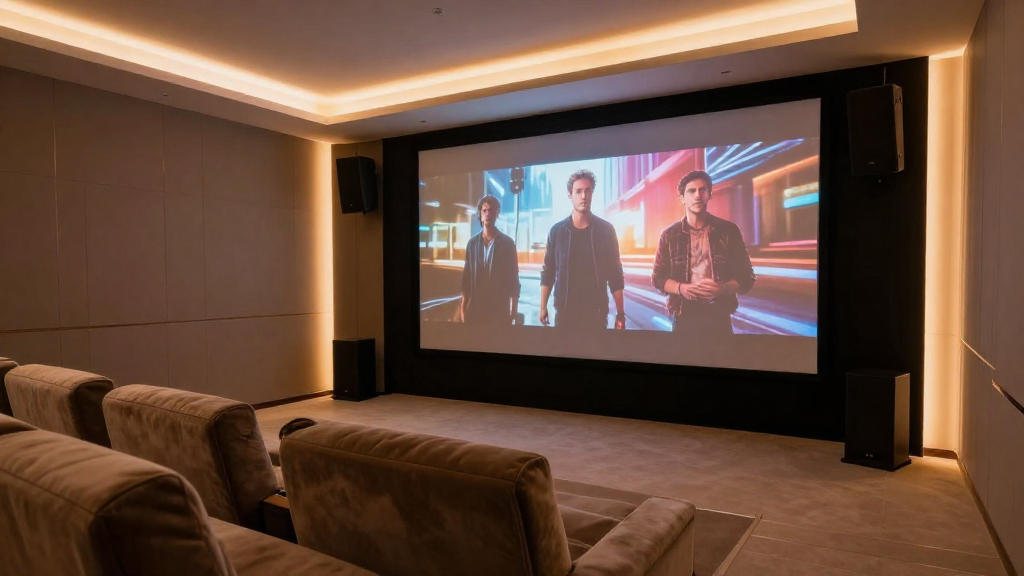
This article explores the fundamentals of home theater acoustically transparent screens and their role in enhancing your viewing experience.
What is an Acoustically Transparent Screen?
An acoustically transparent screen is a specialized screen designed to allow sound waves to pass through without distortion. This technology is especially important in home theater setups where audio quality is paramount.
How Do They Work?
Acoustically transparent screens utilize materials that permit sound to travel through them. Typically, these screens are made from woven fabrics that create tiny openings for sound. This design enables speakers positioned behind the screen to deliver clear audio while maintaining visual fidelity.
Benefits of Using Acoustically Transparent Screens
- Improved Sound Quality: By allowing sound to pass through, these screens ensure that audio remains clear and undistorted.
- Aesthetic Appeal: Placing speakers behind the screen can create a cleaner look, eliminating the need for visible speakers.
- Flexibility in Setup: Acoustically transparent screens allow for a more versatile arrangement of audio and visual equipment.
Common Applications
Many home theaters, commercial cinemas, and even professional studios use acoustically transparent screens. This technology is ideal for setups where space is limited, or where a minimalist design is desired. They are also used in high-end audio-visual installations.
Why Choose Acoustically Transparent Screens for Your Home Theater?
Choosing the right screen for your home theater is crucial, and acoustically transparent screens offer several advantages that make them an appealing option.
Enhanced Viewing Experience
By integrating sound systems behind the screen, viewers can enjoy a more immersive experience. This setup allows for a seamless blend of audio and visuals, enhancing overall engagement during movie nights.
Compatibility with Surround Sound Systems
Acoustically transparent screens work well with various surround sound systems, allowing you to place speakers behind the screen without compromising audio quality. This compatibility means you can achieve a true theater experience in your home.
Quality of Materials
These screens are often constructed from high-quality materials that provide not just transparency for sound but also resistance to wear and tear. Investing in a durable screen ensures that it will last through many movie nights.
What Should You Consider When Buying Acoustically Transparent Screens?
Before making a purchase, it’s essential to consider several factors to ensure you choose the right screen for your specific needs.
Screen Size and Aspect Ratio
The size of your screen should be proportional to your viewing distance and room dimensions. Common aspect ratios include 16:9 for widescreen and 2.35:1 for cinema-like experiences. Choosing the right size enhances the overall experience.
Material and Construction
Look for screens made from high-quality, woven materials designed for optimal acoustical transparency. The construction should also ensure durability and longevity, as these screens can be a significant investment.
Installation Requirements
Consider how and where you will mount your screen. Some screens may require professional installation, while others offer user-friendly mounting options. Understanding the installation needs can save you time and effort.
How Do Acoustically Transparent Screens Compare to Traditional Screens?
When choosing between acoustically transparent screens and traditional screens, there are distinct differences that can impact your decision.
Audio Performance
Traditional screens can obstruct sound waves, leading to muffled audio. In contrast, acoustically transparent screens allow sound to pass through freely, resulting in a clearer audio experience. This difference can be particularly noticeable in action films or music-heavy shows.
Visual Quality
Both types of screens can provide excellent visual quality, but acoustically transparent screens must maintain a balance between transparency and image clarity. High-quality materials ensure that image quality is not compromised.
Cost Considerations
Typically, acoustically transparent screens can be more expensive than traditional screens due to their specialized materials and technology. However, the investment can be worthwhile for those prioritizing audio quality in their home theater setup.
Are There Limitations to Acoustically Transparent Screens?
While there are many benefits to using acoustically transparent screens, there are also some limitations that potential buyers should be aware of.
Price Point
As mentioned, the cost of acoustically transparent screens can be higher than traditional options. This may not be feasible for everyone, especially for those on a tight budget.
Installation Complexity
Depending on the model, installation may require professional assistance, which can add to the overall cost. Understanding installation requirements ahead of time is crucial for a smooth setup.
Potential for Less Brightness
Some users have reported that acoustically transparent screens can result in slightly less brightness compared to solid screens. This is due to the material used, which may absorb some light. Choosing a high-quality screen can help mitigate this issue.
Conclusion: Are Acoustically Transparent Screens Right for You?
Ultimately, the decision to invest in home theater acoustically transparent screens comes down to personal preference and specific needs. If audio clarity and a sleek aesthetic are priorities for your home theater, these screens could be an excellent choice.
Consider the factors discussed in this article, and weigh the pros and cons to determine if an acoustically transparent screen fits your home theater vision. A well-informed decision can lead to an enhanced viewing and listening experience for years to come.