
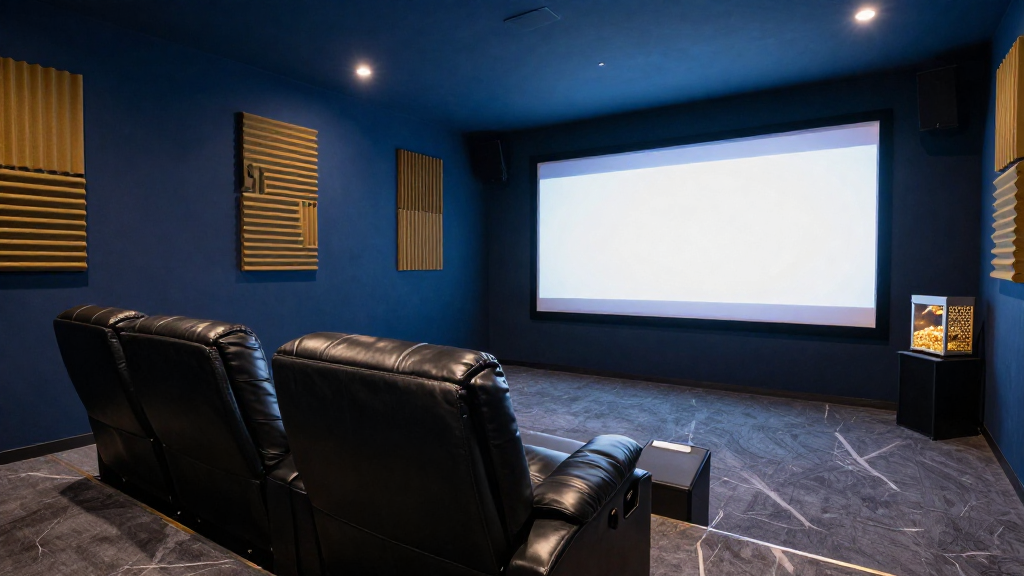
Choosing the right home theater wall colors can transform your entertainment space into a cinematic experience. This article explores the best colors that can enhance your home theater room.
What Are the Best Colors for Home Theaters?
The best colors for home theaters are generally darker shades that help in reducing glare and enhancing the visual experience. Here are a few ideal choices:
- Deep Blue: This color provides a calming effect and helps to absorb light.
- Charcoal Gray: A versatile choice that pairs well with any decor.
- Black: An ultimate classic that offers maximum contrast.
Why Choose Dark Colors?
Dark colors are preferred because they minimize reflections from screens, enhancing the overall viewing experience. They also create a cozy atmosphere, perfect for movie nights. Moreover, dark tones can help in focusing attention on the screen rather than on the walls.
Can You Use Lighter Colors?
While dark colors are popular, lighter shades like soft grays and muted whites can also work. These colors can make a space feel larger and airier. However, they may require careful selection to prevent glare issues.
How Do Colors Affect the Mood in Home Theaters?
The colors you choose can significantly affect the mood and feel of your home theater. Here’s how:
- Warm Colors: Colors like red and orange can create an inviting and energetic atmosphere.
- Cool Colors: Blues and greens tend to have a calming effect, making them ideal for longer viewing sessions.
- Neutral Colors: Grays and beiges provide a balanced environment that doesn’t distract from the screen.
What Is the Psychological Impact of Color?
Colors can evoke emotional responses and influence how we feel in a space. For instance, blue can promote relaxation, while red can increase energy levels. Understanding these psychological effects can help you select the perfect shade for your home theater.
How to Create a Balanced Color Scheme?
To create a balanced color scheme, consider using a combination of primary and accent colors. For example, a deep blue or charcoal gray can serve as the main wall color, while lighter shades can be used for trim and accents. This approach maintains visual interest while ensuring the room remains functional.
What are the Best Paint Finishes for Home Theaters?
The finish of the paint can impact both the aesthetics and functionality of your home theater. Here are some options to consider:
- Flat Finish: Ideal for reducing glare and providing a smooth surface.
- Satin Finish: Offers a slight sheen that is easy to clean without being too reflective.
- Eggshell Finish: A middle ground that balances durability with a soft look.
Why Choose a Flat Finish?
A flat finish is often recommended for home theater walls as it absorbs light rather than reflecting it. This makes it easier to focus on the screen without distractions from shiny surfaces. Additionally, flat paints can hide imperfections in the wall, creating a smooth backdrop.
Is Satin Finish Better for Accents?
Satin finishes can be used for accent walls or trim in a home theater. They provide a subtle sheen that can enhance the overall design without being overpowering. This finish is also easier to clean, making it a practical choice for high-traffic areas.
How to Test Wall Colors Before Committing?
Testing wall colors in your home theater is crucial to ensure you make the right choice. Here are some effective methods:
- Sample Swatches: Purchase small paint samples and apply them to your walls.
- Lighting Considerations: Observe how colors change under different lighting conditions.
- View from Different Angles: Check how the color looks from various viewing positions in the room.
What Should You Look for in Sample Swatches?
When testing sample swatches, consider the undertones and how they interact with your existing decor. Look for colors that complement your furniture and other design elements. Be mindful of how the color will appear when illuminated by your theater’s lighting.
How Long Should You Test Colors?
It’s advisable to observe the paint samples over a few days, especially during different times of the day. This will give you a better understanding of how the color behaves with natural and artificial light. Make sure to consider the mood you want to create in your home theater.
What Color Combinations Work Well Together?
Combining colors can create a visually appealing home theater. Here are some combinations that work effectively:
- Deep Blue and Silver: A sophisticated and modern look.
- Charcoal Gray and Soft Yellow: Adds warmth without being overpowering.
- Black and Red Accents: A classic combination that adds drama.
How to Choose Complementary Colors?
When choosing complementary colors, consider the color wheel. Colors opposite each other, like blue and orange, create vibrant contrasts. Alternatively, adjacent colors, like blue and green, can create a harmonious environment. This balance can enhance the overall aesthetic of your home theater.
What Role Does Texture Play?
Incorporating texture can add depth to your color scheme. Textured paints or wall coverings can create visual interest. Additionally, incorporating materials like wood or fabric can soften the look and feel of the room, making it more inviting for viewers.
Conclusion: What Should You Remember About Home Theater Wall Colors?
Choosing the right home theater wall colors is essential for creating an immersive viewing experience. Remember to consider factors such as lighting, mood, and color combinations. By testing colors and understanding their effects, you can design a home theater that not only looks great but also enhances your movie-watching enjoyment.