
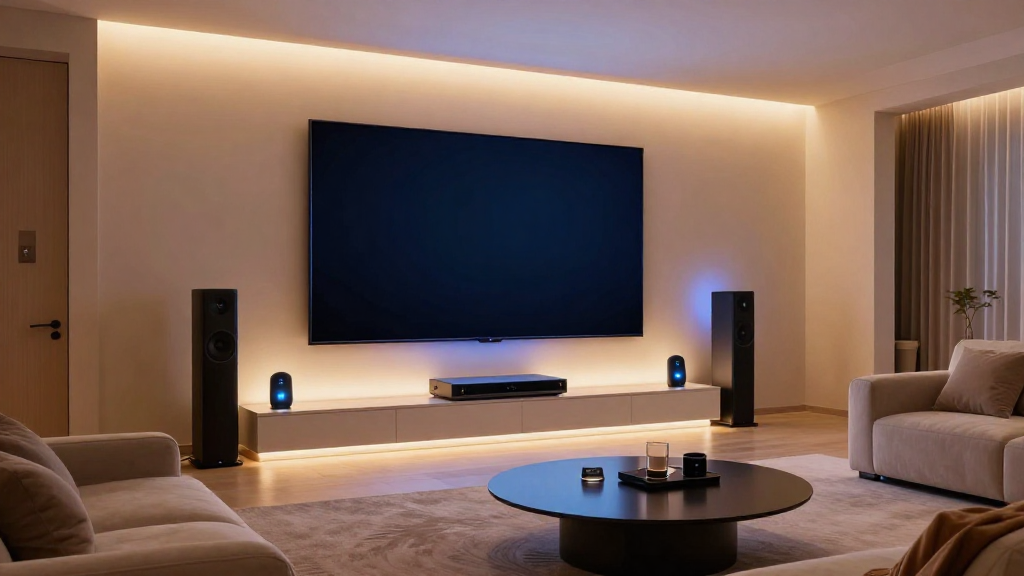
This article delves into the relationship between home theater systems and smart home integration, exploring how technology enhances your entertainment experience.
What is Home Theater Smart Home Integration?
Home theater smart home integration refers to the seamless combination of traditional home theater systems with smart home technology. This integration allows homeowners to control their audiovisual equipment through a centralized smart home hub or mobile app. By using smart devices, the home theater experience becomes more convenient and enjoyable.
Key Components of Home Theater Systems
A standard home theater system typically includes several key components:
- Display Device: This could be a projector, television, or screen that displays the visual content.
- Audio Equipment: Surround sound speakers, soundbars, and amplifiers are essential for creating an immersive audio experience.
- Source Devices: This includes devices like Blu-ray players, gaming consoles, and streaming devices that deliver content.
Smart Home Technology Overview
Smart home technology encompasses various devices that can be controlled remotely or automated. These devices include:
- Smart Speakers: Devices like Amazon Echo or Google Home can act as voice assistants to control your home theater.
- Smart Lights: Lighting systems can be programmed to adjust based on what you’re watching, enhancing the ambiance.
- Smart Plugs and Switches: These allow you to control power to your devices remotely, adding convenience.
Benefits of Integration
The integration of home theater systems with smart home technology offers numerous benefits:
- Convenience: Control all devices from a single app or voice command.
- Automation: Set routines for movie nights, allowing your devices to adjust automatically.
- Enhanced Experience: Synchronize lighting and sound for a more immersive experience.
How Can You Integrate Your Home Theater with Smart Home Technologies?
Integrating your home theater with smart home technologies involves several steps and considerations. The process can vary based on the equipment you already have and the smart technology you wish to implement.
Assess Your Current Home Theater Setup
Before you begin integration, it’s essential to evaluate your existing home theater setup. Consider the following:
- Quality of Equipment: Older devices may not support smart technology.
- Compatibility: Ensure that your current devices can work with smart home protocols like Zigbee or Z-Wave.
- Space Layout: Plan how your devices will fit into the overall layout of your home.
Select Compatible Smart Devices
Once you’ve assessed your setup, choose the smart devices that will enhance your home theater experience:
- Smart Remotes: A universal remote can control multiple devices from a single interface.
- Smart TVs: Consider upgrading to a TV that has built-in smart capabilities.
- Streaming Devices: Devices like Roku or Apple TV can offer additional smart features.
Utilize a Smart Hub
A smart hub acts as the central control unit for all your devices. Here’s why it’s beneficial:
- Centralized Control: Manage all your smart devices from one location.
- Compatibility: Ensure that all your devices communicate effectively.
- Automation: Create routines that suit your lifestyle.
What Are Some Popular Home Theater Smart Home Integration Solutions?
There are various solutions available for integrating home theater systems with smart home technology. These solutions cater to different needs and budgets.
Amazon Alexa and Echo Devices
Amazon’s Echo devices and Alexa voice assistant make it easy to integrate home theater systems:
- Voice Control: Use voice commands to control your TV, speakers, and more.
- Compatible Devices: Works with many smart home devices.
- Routines: Set up routines for movie nights or game days.
Google Home and Nest Products
Google Home offers a comprehensive solution for smart home integration:
- Voice Commands: Control your home theater with simple commands.
- Google Assistant: Provides personalized recommendations and smart home control.
- Integration: Works seamlessly with Chromecast for streaming.
Apple HomeKit
If you’re immersed in the Apple ecosystem, HomeKit is a fantastic option for integration:
- Seamless Integration: Works smoothly with Apple devices.
- Smart Controls: Access your home theater from your iPhone or iPad.
- Automations: Set up scenes for different activities.
How to Troubleshoot Common Integration Issues?
Even with careful planning, you may encounter issues during the integration process. Here are some common problems and how to troubleshoot them.
Device Compatibility Problems
Incompatibility can be one of the most frustrating issues:
- Check Specifications: Always verify that devices are compatible with your smart hub.
- Firmware Updates: Ensure all devices have the latest updates for optimal performance.
- Consult Manufacturer: Reach out for support if you’re unsure about compatibility.
Network Connectivity Issues
Network problems can disrupt the connection between your devices:
- Wi-Fi Strength: Ensure your Wi-Fi signal is strong in the area where your theater is located.
- Router Settings: Check your router for any configurations that may block devices.
- Reboot Devices: Sometimes a simple reboot resolves connectivity issues.
Performance Lag
If devices are lagging or slow to respond, consider the following:
- Reduce Load: Limit the number of devices connected to your network simultaneously.
- Quality of Devices: Invest in high-quality smart devices that can handle multiple tasks.
- Network Bandwidth: Ensure your internet plan offers adequate bandwidth for streaming and smart device usage.
Conclusion: The Future of Home Theater Smart Home Integration
Home theater smart home integration is transforming the way we enjoy entertainment at home. As technology continues to advance, the opportunities for creating an immersive, convenient, and automated home theater experience will only grow. By understanding the components, benefits, and solutions available, you can enhance your home entertainment setup and create an environment that is truly enjoyable.