
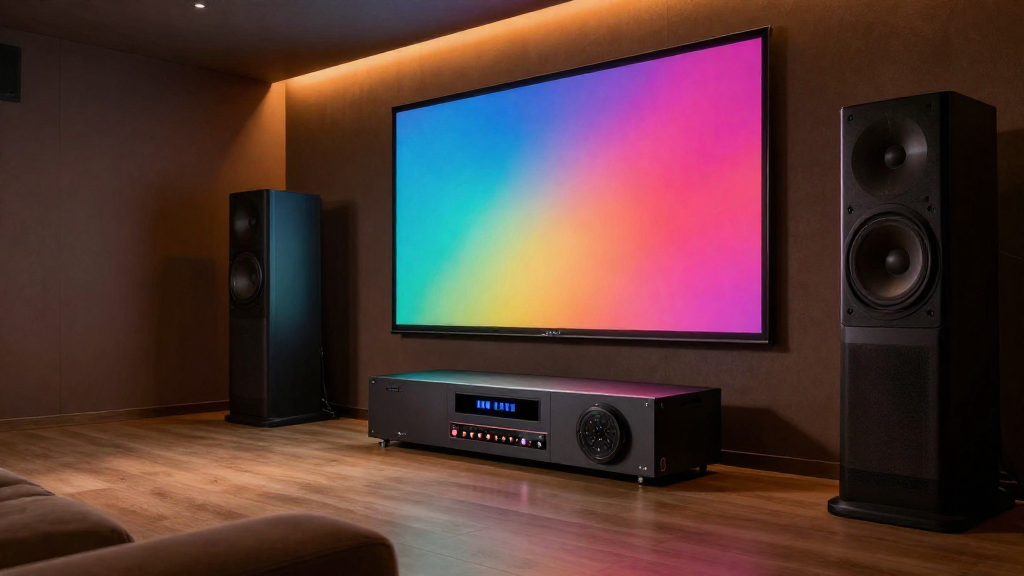
In this article, we will explore the significance of home theater power conditioning and its impact on your audio-visual experience.
What is Power Conditioning?
Power conditioning refers to the process of improving the quality of electrical power that is delivered to your home theater system. It involves the use of devices that adjust, filter, and stabilize the electrical current to ensure optimal performance.
Why is Power Conditioning Important?
Power conditioning is crucial for several reasons:
- Reduces Noise: Power conditioners help filter out electrical noise that can interfere with sound and video quality.
- Protects Equipment: By stabilizing voltage levels, power conditioning protects your home theater components from damage caused by power surges.
- Enhances Performance: Clean power leads to better performance of your audio and video equipment, resulting in an improved viewing experience.
How Does Home Theater Power Conditioning Work?
Understanding how home theater power conditioning works can help you appreciate its benefits. Power conditioners utilize various technologies to manage electrical power effectively.
Voltage Regulation
Voltage regulation is a critical function of power conditioners. It ensures that your equipment receives a consistent voltage level, which is essential for optimal performance.
Noise Filtering
Noise filtering is another key feature. Power conditioners can eliminate unwanted electrical noise from surrounding devices and circuits, ensuring cleaner power delivery.
Surge Protection
Many power conditioners also include surge protection features. This prevents sudden spikes in electrical current from damaging your sensitive electronics.
Do All Home Theaters Need Power Conditioning?
While home theater power conditioning can significantly benefit most setups, not every system may require it.
Assessing Your Home Theater Needs
To determine if you need power conditioning, consider the following:
- Presence of Sensitive Equipment: If your system includes high-end audio and video components, power conditioning is advisable.
- Local Power Quality: If you live in an area prone to power fluctuations or outages, a power conditioner can provide added protection.
- Frequency of Power Surges: If your area experiences frequent electrical surges, investing in power conditioning is wise.
Cost vs. Benefits
When considering home theater power conditioning, weigh the costs against potential benefits. High-quality power conditioners can range in price, but investing in one can protect your equipment and improve performance over time.
What Are the Different Types of Power Conditioners?
There are several types of power conditioners available on the market, each serving different purposes and offering various features.
Linear Power Conditioners
Linear power conditioners offer a straightforward approach to power conditioning. They utilize transformers to provide stable voltage and eliminate noise effectively.
Switching Power Conditioners
Switching power conditioners are more compact and efficient. They convert incoming power to a different voltage level while filtering out noise.
Power Conditioners with Surge Protection
These conditioners combine power conditioning with surge protection features, making them ideal for home theater systems that require both functions.
How to Choose the Right Power Conditioner for Your Home Theater?
Selecting the right power conditioner is essential for maximizing your home theater experience. Several factors come into play when making your choice.
Assess Your Equipment Needs
Identify the specific needs of your home theater equipment. Consider the types of devices you have and their power requirements.
Evaluate Features
Look for features that cater to your requirements, such as voltage regulation, noise filtering, and surge protection. Prioritize the features that are most important for your setup.
Read Reviews and Comparisons
Research different power conditioner models by reading reviews and comparisons. This can give you insights into performance, reliability, and customer satisfaction.
What Are the Benefits of Using Power Conditioning?
Incorporating home theater power conditioning can lead to numerous benefits, enhancing both protection and performance.
Improved Audio and Visual Quality
With cleaner power, your audio and video quality will improve significantly. You’ll notice clearer sound and sharper images when using quality power conditioning.
Extended Equipment Lifespan
By protecting your devices from power surges and fluctuations, power conditioning can help extend the lifespan of your home theater components.
Better Overall Experience
The combination of enhanced performance and protection leads to a better overall entertainment experience, allowing you to enjoy your favorite media without interruptions.
Conclusion: Is Home Theater Power Conditioning Worth the Investment?
In summary, investing in home theater power conditioning can provide significant benefits, particularly if you own sensitive and high-end equipment. While it may require an upfront cost, the long-term advantages of improved performance, protection, and peace of mind make it a worthwhile consideration for serious home theater enthusiasts. Ultimately, the decision depends on your specific needs and local power conditions.