
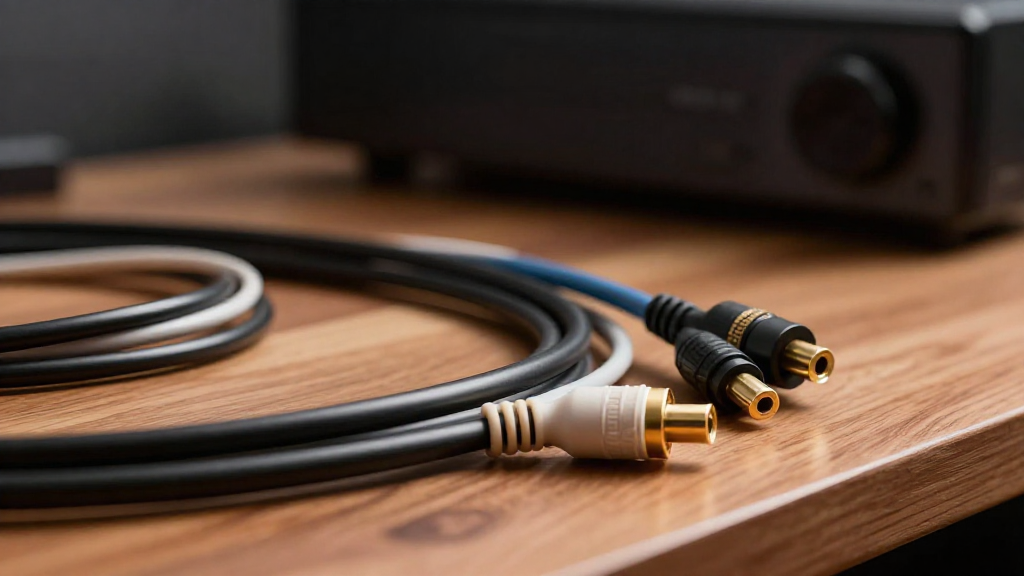
Choosing the right home theater speaker wire gauge is crucial for achieving optimal sound quality and performance in your audio setup. This article will guide you through the considerations and options available to help you make an informed decision.
What Are the Common Speaker Wire Gauges?
Understanding the common speaker wire gauges can help you make the right choice for your home theater system. Speaker wire gauge is measured in AWG (American Wire Gauge), and the lower the number, the thicker the wire.
Popular Gauges
- 12 AWG
- 14 AWG
- 16 AWG
12 AWG wire is often recommended for longer distances and higher power systems, while 14 AWG is a good compromise for most home theaters. 16 AWG can be suitable for smaller setups or shorter runs.
Why Gauge Matters
The gauge of your speaker wire affects resistance, which in turn influences sound quality. Thicker wires (lower gauge) have lower resistance, allowing for better power transfer from the amplifier to the speakers. This is especially important in home theater setups where clarity and dynamics are paramount.
How Does Wire Length Affect Gauge Selection?
Wire length plays a significant role in determining the appropriate gauge for your home theater speaker wire. The longer the wire, the more resistance you’ll encounter, which can affect sound quality.
Short Runs
If your speaker wire runs are short (under 50 feet), you can generally use 16 AWG wire without issues. This gauge should provide adequate performance for most home theater systems in these conditions.
Long Runs
For longer runs (over 50 feet), it’s advisable to use thicker wire, such as 14 AWG or even 12 AWG. Thicker wire reduces resistance, ensuring that your speakers receive adequate power without loss in sound quality.
What Are the Speaker Power Ratings?
The power ratings of your speakers should also influence your choice of home theater speaker wire gauge. Different speakers handle power differently, and using the right wire can ensure optimal performance.
Low-Powered Speakers
For low-powered speakers (under 100 watts), 16 AWG wire is usually sufficient, especially for shorter runs. This will provide enough power without overwhelming the speaker.
High-Powered Speakers
If you’re running high-powered speakers (over 100 watts), consider using 14 AWG or 12 AWG wire. These thicker wires can handle the increased power demands without compromising sound quality.
Are There Any Environmental Considerations?
Environmental factors can also influence your choice of speaker wire gauge. Understanding the conditions where your wires will be installed is essential for longevity and performance.
Indoor Installation
For indoor installations, typical copper wire is sufficient. However, you might consider using **oxygen-free copper** (OFC) for improved conductivity and reduced oxidation over time.
Outdoor Installation
If you’re running speaker wires outdoors, look for wires with UV-resistant jackets and insulation. These are designed to withstand the elements and prevent degradation from moisture and sunlight.
What Is the Best Speaker Wire for Home Theater?
Determining the best speaker wire for your home theater involves considering multiple factors, such as gauge, length, power ratings, and installation environment.
Recommendations
- **12 AWG**: Best for long runs and high power.
- **14 AWG**: Suitable for most home theater setups.
- **16 AWG**: Good for short runs and low-powered speakers.
Ultimately, the right choice of wire will depend on your specific setup and listening preferences. Always consult your speaker specifications for guidance.
How Can You Ensure Quality Connections?
Use Quality Connectors
Invest in high-quality connectors that match the gauge of your wire. This will ensure a secure connection that minimizes signal loss. **Banana plugs** and **spade connectors** are popular options.
Proper Installation Techniques
Make sure to strip the wire properly before connecting it to the speakers and amplifier. **Twist-on wire connections** can lead to signal loss if not done correctly. Always follow best practices for installation to maintain audio quality.
Conclusion: What Gauge Should You Choose?
Choosing the best home theater speaker wire gauge involves considering various factors, including the length of the run, power ratings, and environmental conditions. By understanding these elements, you can make an informed decision that enhances your home theater experience.
In summary, for most setups, 14 AWG is a versatile choice, while 12 AWG is ideal for high-power systems or longer runs. Always prioritize quality connections to maximize your audio performance.