
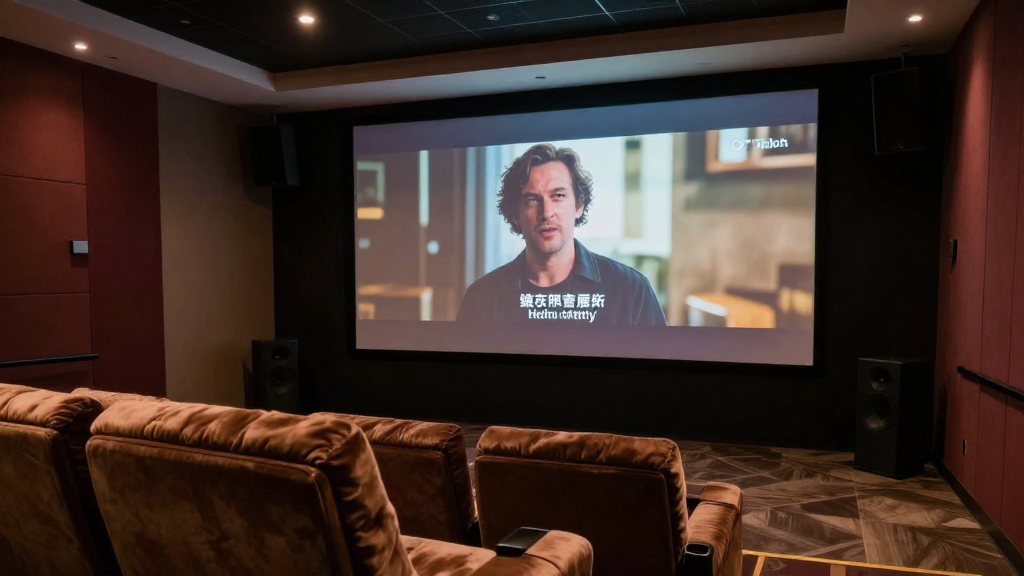
In this article, we will explore the concept of home theater dialogue normalization and how it enhances your audio experience.
What is Dialogue Normalization?
Dialogue normalization refers to the process of adjusting the audio levels of dialogue in films and shows to ensure clarity and consistency. This feature is particularly beneficial in home theater systems, where varying sound levels can disrupt the viewing experience.
How Does It Work?
At its core, dialogue normalization uses various algorithms to analyze the dialogue levels in audio tracks. The system then adjusts the volume automatically to keep dialogue clear and prominent, even during action-packed scenes. This technology may also include:
- Dynamic range compression
- Frequency-specific adjustments
- Real-time audio processing
Why is it Important?
Without dialogue normalization, viewers often struggle to hear dialogue over background sounds or music. This can lead to frustration and a diminished viewing experience. Key benefits of dialogue normalization include:
- Improved clarity of speech
- Consistent volume levels
- Enhanced overall audio quality
How Does Home Theater Dialogue Normalization Enhance Audio?
The implementation of home theater dialogue normalization can significantly improve the quality of your audio experience. By focusing on dialogue, it allows for a more immersive and enjoyable viewing session.
Enhanced Clarity
One of the primary advantages of dialogue normalization is the enhanced clarity it provides. This ensures that even the quietest conversations are easily heard without needing to adjust the volume continuously. Features include:
- Automatic adjustments based on content
- Focus on human vocal frequencies
- Reduction of background noise interference
Consistency Across Different Content
Different movies and shows often have varying audio levels. Home theater dialogue normalization helps to maintain a consistent audio level across all types of content. This consistency leads to a more enjoyable experience, eliminating the need to frequently adjust the volume during viewing sessions.
Compatibility with Various Formats
Modern home theater systems are designed to be compatible with various audio formats. This flexibility allows dialogue normalization features to work seamlessly with DVDs, Blu-rays, and streaming services. Compatibility ensures that:
- Users can enjoy a normalized experience regardless of content source
- Audio adjustments are effective across different formats
- Up-to-date systems can adapt to new audio technologies
What Are the Challenges of Implementing Dialogue Normalization?
While home theater dialogue normalization offers numerous benefits, there are challenges in its implementation that users should be aware of.
Technical Limitations
Not all home theater systems come equipped with advanced dialogue normalization technology. Some older systems may lack the necessary hardware or software to process audio effectively. Technical limitations can lead to:
- Inconsistent performance
- Inability to take full advantage of modern audio formats
- Frustration when audio adjustments are needed
User Settings and Customization
Many systems allow users to adjust dialogue normalization settings. However, finding the right balance can be challenging. Users may need to experiment with different settings to achieve the desired audio quality. Important aspects include:
- Understanding the system’s audio settings
- Finding optimal levels for different content types
- Adjusting for personal preferences
Potential Over-Processing
Another challenge of dialogue normalization is the risk of over-processing audio, which can lead to a loss of natural sound quality. When algorithms excessively adjust dialogue levels, it may result in an artificial sound. To avoid this, users should:
- Monitor audio changes closely
- Use moderation in settings adjustments
- Seek professional advice if necessary
How to Set Up Home Theater Dialogue Normalization?
Setting up dialogue normalization in your home theater system can greatly enhance your viewing experience. Here’s how to do it effectively.
Choose the Right Equipment
The first step in achieving optimal dialogue normalization is to select the right home theater equipment. Look for systems explicitly designed with dialogue normalization features. Key considerations include:
- Audio receiver capabilities
- Speaker quality
- Compatibility with your media sources
Configure Audio Settings
Once you have the right equipment, it’s essential to configure the audio settings correctly. This may involve navigating through your system’s menu to find dialogue normalization options. Follow these steps:
- Access the audio settings menu
- Locate dialogue normalization options
- Adjust levels based on personal preference
Test with Various Content
After configuring the settings, test your home theater with various films and shows. Pay attention to how dialogue sounds in different scenes. This testing phase is crucial for:
- Ensuring clarity in various audio environments
- Making further adjustments as needed
- Finding a balance that works for your preferences
Conclusion
In summary, home theater dialogue normalization is an essential feature that can dramatically improve your audio experience. By understanding what it is, how it enhances audio, and the challenges involved, you can make informed decisions about your home theater setup. Setting up dialogue normalization effectively ensures you enjoy every dialogue in your favorite films and shows with clarity and consistency.