
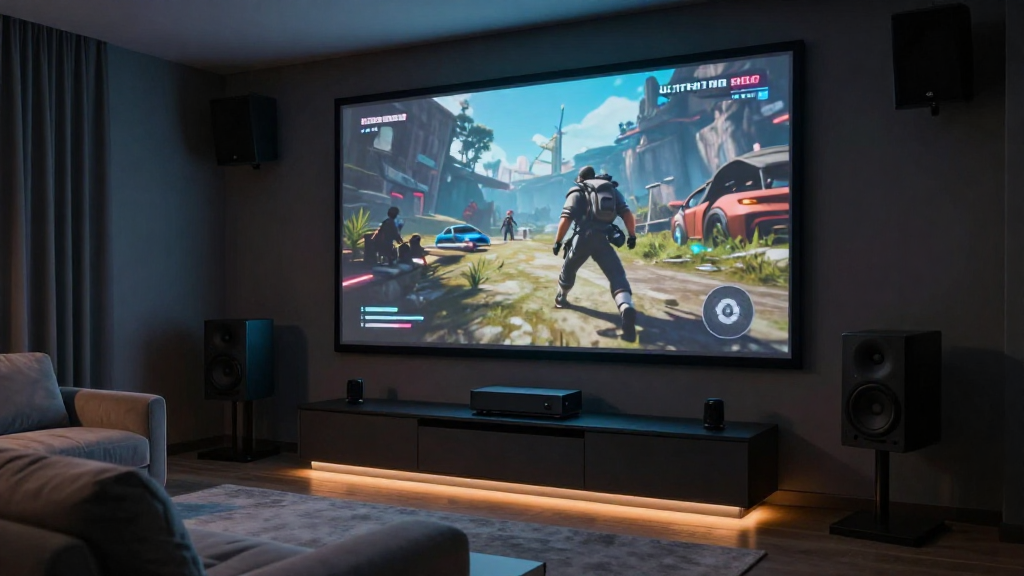
In this article, we will explore how gaming latency affects home theater systems and provide tips on optimizing your setup for a seamless experience.
What is Gaming Latency?
Gaming latency refers to the delay between a player’s action and the corresponding response on the screen. This delay can significantly impact gameplay, especially in fast-paced games. Understanding gaming latency is essential for home theater enthusiasts who want the best possible experience.
Types of Latency
- Input Lag: This is the time it takes for your input device (like a controller) to communicate with the console or PC.
- Display Lag: The delay between the signal being sent to the display and the image appearing on the screen.
- Network Latency: For online gaming, this is the delay caused by data transmission over the internet.
Understanding these types of latency is crucial for gamers looking to minimize any delay that could affect their gaming experience.
Common Causes of Gaming Latency
- **Hardware limitations**: Older consoles or PCs may not process data quickly enough.
- **Display technology**: Different types of TVs and monitors have varying response times.
- **Network issues**: Poor internet connection can lead to increased network latency.
Identifying these causes can help in taking steps to reduce gaming latency in your home theater setup.
How Does Gaming Latency Affect Home Theater Performance?
Gaming latency directly impacts the performance of your home theater system, especially during intense gameplay. High latency can lead to a frustrating experience, reducing immersion and enjoyment.
Impact on Immersion
When gaming latency is high, the disconnect between your actions and what you see on the screen can break immersion. This can be particularly problematic in action games where timing is crucial.
Impact on Competitive Gaming
For competitive gamers, even a few milliseconds of delay can make a significant difference. High gaming latency can result in missed opportunities and can affect overall performance in tournaments.
Impact on Audio-Visual Synchronization
Gaming latency can also affect the synchronization between audio and visual elements. A delay in video signals can lead to lagging sound, which detracts from the overall experience.
How Can You Reduce Gaming Latency in Your Home Theater?
Reducing gaming latency is vital for enhancing your home theater experience. Implementing a few strategies can significantly improve performance.
Upgrade Your Hardware
- **Invest in a Low-Latency TV**: Look for models that specifically mention low input lag.
- **Use High-Quality Cables**: Ensure you’re using HDMI cables that support high bandwidth.
- **Upgrade Your Console or PC**: Newer models generally offer better performance and lower latency.
Upgrading your hardware can make a significant difference in minimizing gaming latency.
Optimize Your Network Connection
- **Use Wired Connections**: Ethernet connections generally offer lower latency compared to Wi-Fi.
- **Optimize Router Settings**: Ensure your router is configured to prioritize gaming traffic.
- **Reduce Network Traffic**: Limit the number of devices using the network while gaming.
A stable and fast network connection is essential for reducing gaming latency, especially for online gaming.
Adjust Display Settings
Many modern TVs come with various display modes that can influence latency. Switching to a gaming mode can reduce processing time, thus lowering latency.
What Are the Benefits of Reducing Gaming Latency?
Reducing gaming latency can lead to a vastly improved home theater experience. The benefits extend beyond just gameplay.
Enhanced Gameplay Experience
Lower latency can provide a smoother and more responsive gaming experience. This is especially important for fast-paced genres like first-person shooters or racing games.
Improved Audio-Visual Quality
By synchronizing audio and video, you will enjoy a more immersive experience. This is particularly noticeable in games with rich storytelling and cinematic elements.
Increased Competitive Edge
For players engaged in competitive gaming, lower latency can provide a crucial edge over opponents. Improved reaction times can lead to better performance in matches.
Conclusion: The Importance of Managing Gaming Latency
In summary, understanding and managing gaming latency is crucial for optimizing your home theater experience. With the right hardware, network configurations, and settings adjustments, you can significantly reduce latency and enhance your overall gaming experience.
By taking these steps, you can ensure that your home theater setup provides the best possible environment for gaming, whether it’s for casual play or serious competition.