
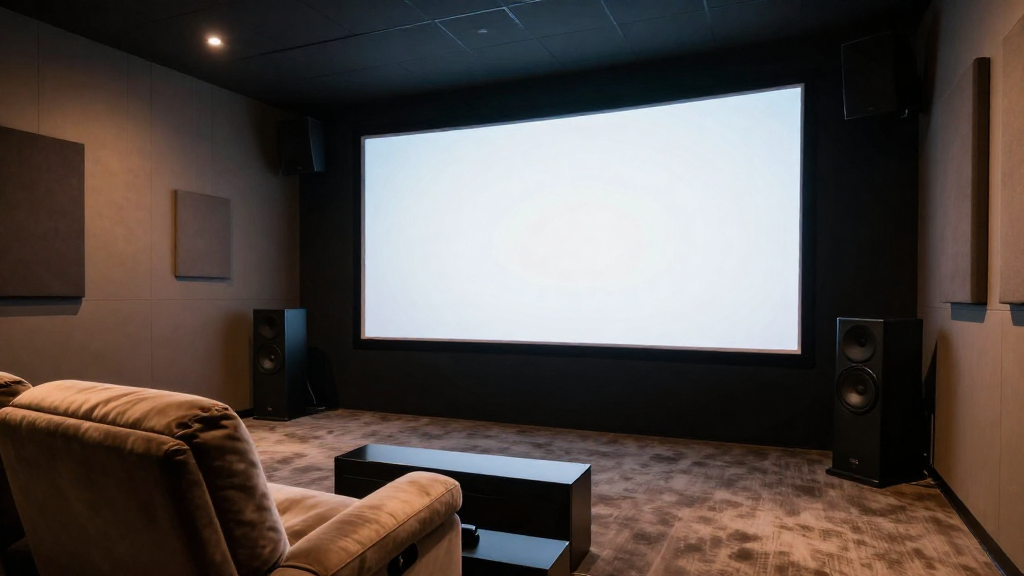
This article provides an in-depth look at common terms associated with home theater terminology, helping you understand your equipment and setup.
What Is a Home Theater System?
A home theater system is designed to replicate the cinema experience in your own living room. Understanding the components and functions of a home theater is crucial for optimal performance.
Key Components of Home Theater
- Display Device: This could be a projector or a large-screen TV.
- Audio System: Involves speakers, subwoofers, and receivers.
- Media Source: Blu-ray players, streaming devices, or gaming consoles.
Each component plays a vital role in delivering an immersive viewing experience. Understanding how these parts work together is part of the home theater terminology that can elevate your setup.
What Does ‘Resolution’ Mean?
Resolution is a term that refers to the number of pixels that make up the display image. The higher the resolution, the clearer and more detailed the picture will be.
Types of Resolutions
- 1080p: Also known as Full HD, it has a resolution of 1920 x 1080 pixels.
- 4K: Offers a resolution of 3840 x 2160 pixels, providing four times the detail of 1080p.
- 8K: The latest in resolution technology, featuring 7680 x 4320 pixels.
Understanding resolution is crucial when choosing a display for your home theater. It affects not only the quality of your viewing experience but also the overall feel of your home theater setup.
What Are Audio Formats?
Audio formats are essential in determining how sound is delivered in a home theater. The choice of audio format can significantly affect the overall sound quality.
Common Audio Formats
- Dolby Digital: A widely used format that provides high-quality sound.
- DTS: Another popular format known for its clarity and depth.
- Dolby Atmos: An advanced audio technology that adds height channels for a more immersive experience.
Each audio format offers unique features that can enhance your home theater experience. Knowing which format your system supports can help you make informed decisions when streaming or playing media.
What Is a Receiver?
A receiver is a crucial part of any home theater system, acting as the central hub for audio and video signals. It connects all your devices and allows you to manage sound output and video display.
Functions of a Receiver
- Signal Processing: It decodes audio and video signals from various sources.
- Amplification: Boosts audio signals to drive speakers effectively.
- Input Switching: Allows you to switch between different media sources easily.
Understanding the role of a receiver in home theater terminology is essential for optimizing your setup. A high-quality receiver can significantly enhance your audio-visual experience.
What Are Surround Sound Systems?
Surround sound systems create a more immersive audio experience by using multiple speakers positioned around the room. This setup mimics the sound dynamics of a movie theater.
Types of Surround Sound Systems
- 5.1 Surround Sound: Includes five speakers and one subwoofer.
- 7.1 Surround Sound: Expands on the 5.1 system with two additional speakers for enhanced depth.
- Atmos-enabled Systems: Adds height speakers for a three-dimensional sound experience.
Choosing the right surround sound system is crucial for achieving the desired audio experience in your home theater. Each type has its benefits and can dramatically affect how sound is perceived.
What Is the Role of Cables and Connections?
Understanding cables and connections is essential in home theater terminology. They ensure that all components communicate effectively, affecting both audio and video quality.
Common Types of Cables
- HDMI Cables: Transmit high-definition video and audio signals.
- Optical Cables: Used for transmitting digital audio signals.
- Speaker Wires: Connect the receiver to the speakers.
Using the correct cables can significantly improve the overall performance of your home theater. It’s important to choose quality connections to avoid signal loss and ensure high fidelity.
What Is Calibration?
Calibration involves adjusting your home theater system to achieve optimal performance based on your room’s acoustics and layout. Proper calibration can enhance both audio and video quality.
Benefits of Calibration
- Improved Sound Quality: Ensures that audio is balanced and clear.
- Optimized Picture Settings: Adjusts brightness, contrast, and color settings for the best visual experience.
- Personalized Experience: Tailors the system to suit your specific preferences.
Understanding the importance of calibration in home theater terminology can help you maximize your system’s potential. Regular adjustments can lead to consistent, high-quality performance.
How Do Streaming Services Fit In?
Streaming services have revolutionized how we consume media, providing access to a vast array of content directly in your home theater. Familiarity with home theater terminology related to streaming can enhance your viewing experience.
Popular Streaming Services
- Netflix: Offers a wide range of movies and series, often in high definition.
- Amazon Prime Video: Provides exclusive content and a large library of films.
- Disney+: Focuses on family-friendly content, including classics and new releases.
Understanding the features of different streaming services can help you select the best options for your home theater. Each service has unique offerings that can enhance your viewing experience.
Conclusion
Familiarizing yourself with home theater terminology can greatly enhance your understanding and enjoyment of your audio-visual setup. From understanding resolution to knowing the role of your receiver, every term plays a significant part in creating an immersive viewing experience. Armed with this knowledge, you can make informed decisions to improve your home theater system.