
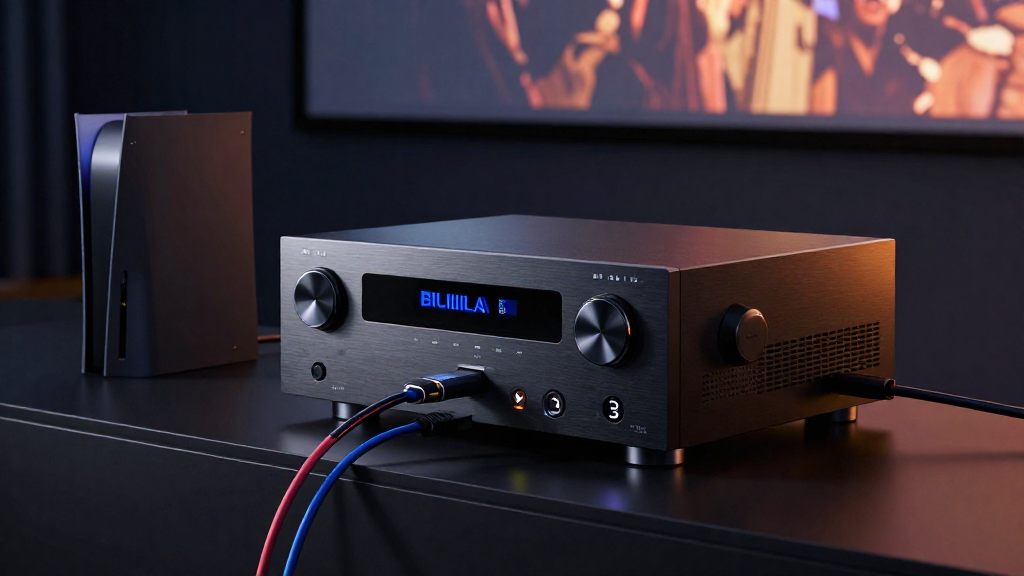
In this article, we will delve into the concept of home theater signal flow explained, covering its components, how signals move through the system, and tips for maximizing your setup.
What is Signal Flow in Home Theater?
Signal flow refers to the path that audio and video signals take from their source to the output devices in a home theater system. Understanding this flow is crucial for ensuring that your media is delivered in the best possible quality.
Components Involved in Signal Flow
The main components involved in signal flow include:
- Source Devices: These are devices like Blu-ray players, streaming devices, and gaming consoles that produce audio and video signals.
- Processors: Audio/video receivers (AVRs) process signals and route them to appropriate output devices.
- Output Devices: This includes televisions, projectors, and speakers that display or produce the final media.
Understanding Signal Types
In home theater systems, signals can be categorized into:
- Analog Signals: Continuous signals that represent physical measurements, often used in older equipment.
- Digital Signals: Discrete signals that provide higher quality audio and video, commonly used in modern devices.
Importance of Proper Signal Flow
Proper signal flow ensures that:
- The best audio and video quality is achieved, enhancing the overall viewing experience.
- Compatibility between devices is maintained, avoiding issues like lag or distortion.
- The setup is efficient, minimizing the number of cables and connections needed.
How Do Signals Travel Through a Home Theater System?
Understanding how signals travel through your home theater system helps in troubleshooting and optimizing performance. Let’s break down the journey of a signal from source to output.
Step-by-Step Signal Flow
The typical signal flow goes as follows:
- Source Device: The journey begins when a source device sends out an audio or video signal.
- AV Receiver: The signal travels to the AV receiver, which decodes and processes the signal.
- Output Device: Finally, the processed signal is sent to the output devices like TVs or speakers for playback.
Common Signal Path Configurations
There are several configurations in which signals can flow, including:
- Direct Connection: Connecting the source directly to the output device, bypassing the receiver.
- Receiver Routing: The most common method, where the receiver acts as a hub for all connections.
- Wireless Streaming: Using technologies like Bluetooth or Wi-Fi for signal transmission, which can simplify setups.
What Role Does the AV Receiver Play?
The AV receiver is the heart of any home theater system. Understanding its role in home theater signal flow explained is essential for maximizing your setup.
Decoding and Processing Signals
AV receivers are responsible for:
- Decoding: Converting digital audio and video formats into analog signals for output devices.
- Processing: Enhancing audio through technologies like surround sound and equalization.
- Routing: Directing signals to the correct output channels, ensuring correct audio and video playback.
Connecting Multiple Devices
One of the key functions of an AV receiver is to connect multiple devices. This is important because:
- It simplifies your setup by reducing the number of cables needed.
- It allows for seamless switching between devices, enhancing user experience.
- It ensures that all devices can communicate effectively, maintaining signal integrity.
How Can You Optimize Signal Flow?
Optimizing signal flow in your home theater can greatly enhance your viewing experience. Here are some key strategies to consider.
Use Quality Cables
The quality of cables can greatly affect signal integrity. Consider the following:
- HDMI Cables: Use high-speed HDMI cables for optimal video and audio quality.
- Speaker Wires: Ensure they are thick enough to handle the power output without loss.
- Optical Cables: Ideal for transmitting high-quality audio signals without interference.
Avoid Long Cable Runs
Long cable runs can lead to signal degradation. Here’s how to mitigate this:
- Keep your components close together whenever possible.
- Use signal boosters or extenders if long runs are unavoidable.
- Opt for active cables that are designed to maintain signal strength over longer distances.
Setup Correctly
Proper setup is key to optimizing signal flow. Follow these guidelines:
- Ensure all devices are properly powered and turned on before use.
- Check all connections for tightness and ensure they are in the correct ports.
- Regularly update your devices’ firmware for performance improvements.
Conclusion: Mastering Home Theater Signal Flow
Understanding home theater signal flow explained is essential for anyone looking to create an optimal viewing experience. By grasping how signals travel, the role of the AV receiver, and strategies for optimization, you can ensure that you get the best performance from your system. Whether you’re a seasoned enthusiast or a newcomer, mastering these concepts will elevate your home theater experience.