
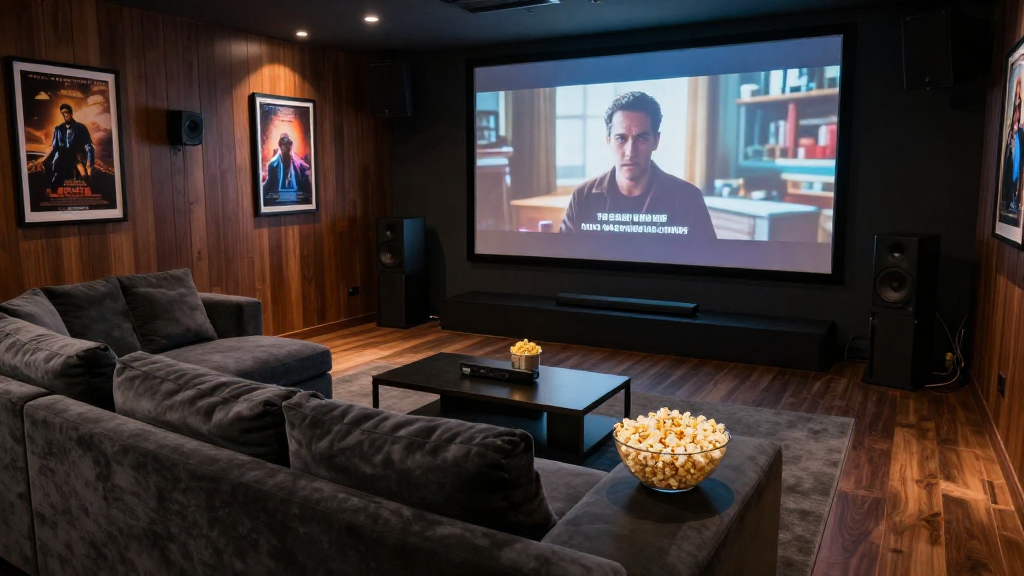
In this article, we will explore various methods to improve dialogue clarity in home theater systems, ensuring you catch every word of your favorite movies and shows.
What Causes Poor Dialogue Clarity in Home Theater?
Understanding the reasons behind poor dialogue clarity is the first step towards improvement. Several factors can contribute to this issue, including:
- Audio Settings: Incorrect audio configurations can significantly affect sound clarity.
- Speaker Placement: The positioning of your speakers can lead to sound distortions.
- Room Acoustics: The characteristics of your room can either enhance or hinder sound quality.
Audio Settings
Many home theater systems come with default settings that might not be optimized for dialogue clarity. Adjusting the equalizer settings to boost mid-range frequencies can help enhance speech intelligibility.
Speaker Placement
Proper speaker placement is crucial for achieving optimal sound. Ensuring that your center channel speaker is at ear level can significantly improve the clarity of dialogue.
Room Acoustics
The acoustics of your room can either absorb or reflect sound waves. Adding soft furnishings, rugs, or acoustic panels can help improve the overall sound quality in your home theater.
How Can You Optimize Your Home Theater Setup?
Optimizing your home theater setup is essential for enhancing dialogue clarity. Here are some tips to consider:
- Invest in Quality Equipment: High-quality speakers and receivers can make a noticeable difference in sound clarity.
- Use a Dedicated Center Channel Speaker: A center channel speaker is essential for clear dialogue reproduction.
- Adjust Speaker Levels: Fine-tuning the volume of each speaker can help balance sound output.
Invest in Quality Equipment
Choosing high-quality audio equipment can drastically improve the clarity of dialogue in your home theater. Look for brands known for their sound fidelity and durability.
Use a Dedicated Center Channel Speaker
A dedicated center channel speaker is designed specifically for dialogue. Placing it correctly can ensure that speech is directed towards the listener, enhancing clarity.
Adjust Speaker Levels
Fine-tuning the volume levels of each speaker can create a more balanced audio experience. This helps in ensuring that dialogue is not drowned out by background sounds.
What Role Does Sound Format Play in Dialogue Clarity?
The sound format of your media can greatly influence dialogue clarity. Understanding the different formats can help you make better choices:
- Stereo vs. Surround Sound: Stereo sound may not provide the same clarity as surround sound in dialogue-heavy scenes.
- High Definition Audio: Formats like Dolby Atmos can enhance clarity through spatial audio technology.
- Subtitles and Closed Captions: Utilizing these features can help you follow along when dialogue is unclear.
Stereo vs. Surround Sound
While stereo sound can be adequate for music, surround sound systems often provide a more immersive experience, allowing for clearer dialogue amid environmental sounds.
High Definition Audio
Formats like Dolby Atmos use advanced audio processing to enhance clarity. This spatial audio technology can help you discern dialogue even in complex soundscapes.
Subtitles and Closed Captions
When all else fails, subtitles and closed captions can be invaluable. They provide a text representation of dialogue, ensuring you never miss key lines.
How Can You Improve Room Acoustics for Better Sound?
Improving room acoustics is a vital aspect of enhancing dialogue clarity in home theater systems. Here are several strategies to consider:
- Add Soft Furnishings: Softer materials can help absorb sound waves, reducing echo.
- Use Acoustic Panels: These panels can effectively control sound reflections.
- Consider Room Layout: Arranging your seating and equipment thoughtfully can improve sound quality.
Add Soft Furnishings
Adding rugs, curtains, and upholstered furniture can absorb sound waves, reducing harsh echoes and improving dialogue clarity.
Use Acoustic Panels
Acoustic panels can be strategically placed on walls to minimize sound reflections. They are particularly effective in rooms with hard surfaces.
Consider Room Layout
The layout of your room can significantly impact sound clarity. Positioning your seating at an optimal distance from the speakers can enhance your listening experience.
What Are Some Additional Tips for Enhancing Dialogue Clarity?
Here are some extra tips to further enhance the clarity of dialogue in your home theater:
- Use Dialogue Enhancement Modes: Many modern receivers have settings specifically designed to enhance dialogue.
- Regularly Update Firmware: Keeping your equipment updated can improve performance.
- Consider Professional Calibration: Hiring a professional can ensure your system is optimized for the best sound.
Use Dialogue Enhancement Modes
Many receivers and soundbars come equipped with dialogue enhancement modes. Activating these features can help prioritize dialogue over background noise.
Regularly Update Firmware
Keeping your audio equipment’s firmware updated can improve performance and add new features that enhance dialogue clarity.
Consider Professional Calibration
If you’re serious about sound quality, consider hiring a professional to calibrate your system. They can tailor settings specifically to your room’s acoustics.
Conclusion: How Do You Achieve Home Theater Dialogue Clarity?
Improving dialogue clarity in your home theater is an achievable goal with the right strategies. By optimizing settings, investing in quality equipment, and enhancing room acoustics, you can enjoy a more immersive viewing experience.