
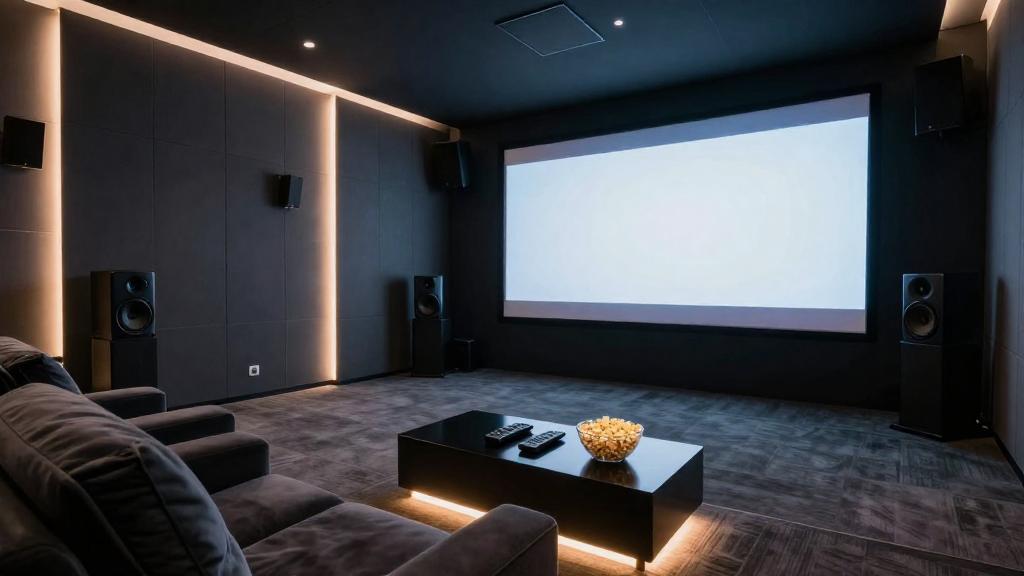
In this article, we will delve into the concept of home theater imaging explained, helping you understand its significance in creating a captivating audio experience.
What is Home Theater Imaging?
Home theater imaging refers to the ability of an audio system to create a three-dimensional sound stage that allows listeners to perceive the direction and distance of sounds. This auditory experience enhances the realism of movies, music, and games.
Understanding Sound Staging
Sound staging is the foundation of home theater imaging. It allows the audience to pinpoint where sounds are coming from within a space. A well-defined sound stage can enhance the overall cinematic experience:
- Width: The perceived distance between left and right speakers.
- Depth: The ability to distinguish sounds that are closer or further away.
- Height: The perception of sounds coming from above or below.
Importance of Speaker Placement
Proper speaker placement is crucial for achieving optimal home theater imaging. The positioning of speakers can dramatically affect how sound is perceived:
- Speakers should be placed at ear level for the best effect.
- Subwoofers can be positioned in various locations to fill the room with bass.
- Using equal spacing between speakers can enhance stereo imaging.
Room Acoustics and Imaging
The acoustics of a room greatly influence home theater imaging. Factors such as wall materials, furniture, and room size can affect how sound waves interact:
- Soft surfaces can absorb sound, reducing echoes.
- Hard surfaces can reflect sound, creating a brighter sound.
- Room dimensions can create standing waves that interfere with sound clarity.
How Does Imaging Affect Your Viewing Experience?
The quality of home theater imaging plays a significant role in enhancing your overall viewing experience. A well-implemented imaging system can transport you into the heart of the action.
Immersive Soundscapes
With excellent home theater imaging, audiences can enjoy immersive soundscapes that make them feel like part of the movie. This immersion is achieved through:
- Directional sound cues that guide the viewer’s attention.
- Layered audio that provides depth and realism.
- Spatial effects that create a sense of movement and placement.
Enhanced Emotional Impact
Sound has a profound impact on emotions, and effective imaging enhances this experience. By understanding the significance of home theater imaging, you can:
- Feel the tension in a suspenseful scene.
- Experience the joy of a musical score.
- Connect with characters through their auditory cues.
Improved Clarity and Detail
Great imaging leads to improved clarity and detail in audio. With proper imaging, you can hear subtle sounds that contribute to the narrative:
- Background noises that add context.
- Whispers that convey intimacy.
- Environmental sounds that create a realistic setting.
What Factors Influence Home Theater Imaging?
Several factors influence the quality of home theater imaging, including equipment quality, speaker type, and room configuration.
Quality of Audio Equipment
The quality of your audio equipment significantly affects imaging. High-quality speakers and receivers can reproduce sound more accurately, leading to better imaging capabilities:
- Invest in speakers with a wide frequency response.
- Use high-fidelity amplifiers for clearer sound.
- Consider using high-end DACs for improved audio processing.
Speaker Type and Configuration
The type of speakers you use also plays a crucial role. Different speaker configurations can yield different imaging results:
- Bookshelf speakers are great for smaller spaces.
- Tower speakers provide fuller sound in larger rooms.
- Surround sound setups enhance immersive experiences.
Calibration and Tuning
Calibrating your audio system is essential for achieving optimal home theater imaging. Proper calibration can ensure that speakers work together harmoniously:
- Use audio calibration tools for precise tuning.
- Adjust equalizer settings based on room acoustics.
- Regularly check connections and settings for optimal performance.
How Can You Improve Home Theater Imaging?
Improving home theater imaging is achievable with a few strategic adjustments and considerations. Here are some effective methods to enhance your audio experience.
Upgrade Your Speakers
Investing in quality speakers can drastically improve imaging. Look for speakers known for their soundstage capabilities, such as:
- High-end brands that specialize in home theater audio.
- Speakers with good reviews on imaging performance.
- Models that feature advanced technologies for sound dispersion.
Use Acoustic Treatments
Implementing acoustic treatments can optimize the sound in your room. Consider the following treatments:
- Acoustic panels to absorb sound and reduce echo.
- Bass traps to manage low-frequency sounds.
- Diffusers to scatter sound waves and create a balanced sound field.
Experiment with Setup
Experimenting with your setup can yield surprising improvements. Some tips to consider are:
- Adjust speaker angles for better listening positions.
- Try different room layouts to find the optimal configuration.
- Utilize stands or mounts to elevate speakers to ear level.
Conclusion
Understanding home theater imaging explained is essential for anyone looking to enhance their audio-visual experience. By focusing on the factors that contribute to imaging, such as sound staging, speaker placement, and room acoustics, you can create a more immersive and enjoyable environment in your home theater.