
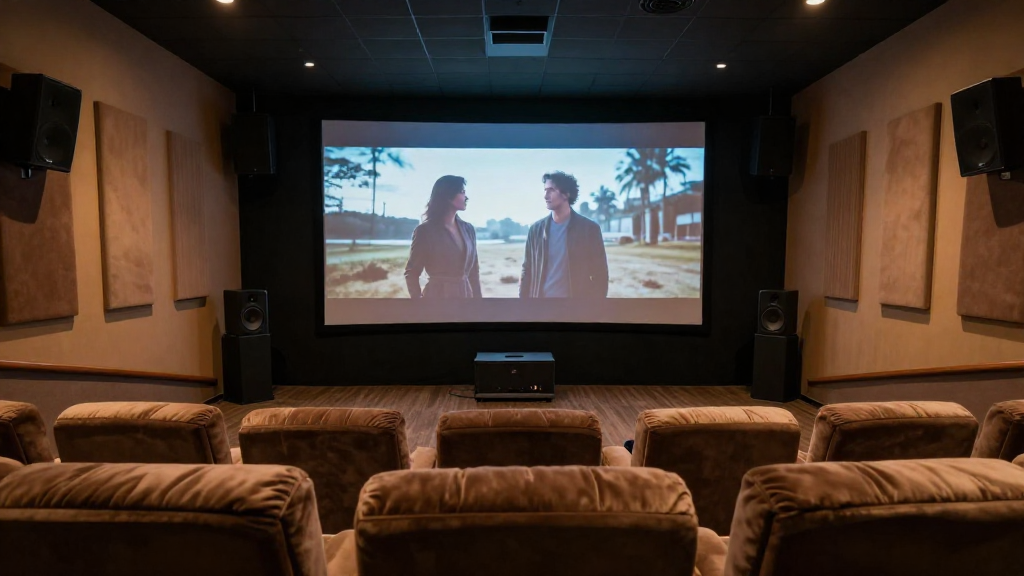
This article will delve into the concept of home theater soundstage explained, helping you understand its significance and how it enhances your viewing experience.
What Does Soundstage Mean?
The term soundstage refers to the perception of space and depth in audio reproduction. In a home theater setup, it describes how sound is distributed and how it creates an immersive listening environment. Understanding this concept is essential for anyone looking to optimize their home theater experience.
Characteristics of Soundstage
- Width: This is how far apart sounds seem to come from the left and right speakers.
- Depth: This refers to how far away sounds appear, creating a three-dimensional audio experience.
- Height: Some advanced setups include height channels that add another layer to the audio experience.
Importance of Soundstage in Home Theater
A well-defined soundstage enhances the viewer’s immersion in a film or music. It allows audiences to perceive where sounds are coming from, making the experience feel realistic. This spatial awareness can significantly affect how engaging a movie or concert feels.
Types of Soundstage
Soundstages can be categorized into various types based on how sound is produced. The main types include:
- Stereo Soundstage: Common in most home theater setups, where left and right speakers create a two-dimensional sound.
- Surround Soundstage: Involves multiple speakers around the viewer, creating an enveloping audio experience.
- 3D Soundstage: Utilizes advanced technology to create a more realistic sound experience, often incorporating height channels.
How is Soundstage Created?
The creation of a soundstage involves various elements that contribute to the overall audio experience. From speaker placement to the room’s acoustics, multiple factors play a role in how sound is perceived.
Speaker Placement
The positioning of speakers is crucial for achieving a balanced soundstage. Generally, speakers should be placed at ear level and angled towards the listener. Proper spacing between left and right speakers can also enhance the width of the soundstage.
Room Acoustics
The room where the home theater is set up can significantly affect the soundstage. Hard surfaces can cause sound reflections, while soft furnishings can absorb sound. Finding the right balance is key to achieving an optimal soundstage.
Calibration and Settings
Using an AV receiver with calibration features can help fine-tune the soundstage. Many modern receivers come with automatic calibration systems that adjust settings for optimal sound performance based on the room’s acoustics.
Why is Soundstage Important for Home Theater?
Understanding why soundstage matters can help you make informed decisions about your home theater setup. It significantly enhances the overall experience, making it more engaging and realistic.
Enhanced Immersion
A good soundstage draws you into the movie or music, making you feel like part of the action. This immersive experience is often what sets a home theater apart from a regular TV watching experience.
Better Audio Quality
Having a well-defined soundstage often correlates with better audio quality. When sounds are spatially accurate, they tend to be clearer and more enjoyable. This clarity can elevate your enjoyment of films and music.
Increased Engagement
When sound is distributed effectively, it keeps the audience engaged. A captivating soundstage can hold your attention and make the viewing experience more memorable.
What Factors Affect Soundstage Quality?
Several factors influence the quality of the soundstage in your home theater. Being aware of these can help you optimize your setup for the best experience.
Speaker Quality
The quality of your speakers plays a significant role in the soundstage. High-quality speakers are designed to reproduce sound more accurately, creating a better spatial perception. Investing in good speakers can dramatically enhance your overall audio experience.
Audio Source
The source of your audio also affects the soundstage. High-resolution audio files and formats that support surround sound can provide a richer sound experience. Streaming services that offer surround sound options are also worth considering.
Listening Position
Your position in relation to the speakers can impact how you perceive the soundstage. Ideally, you should sit in the ‘sweet spot,’ where sound from all speakers converges for the best experience. This spot is typically centered in front of the speakers.
How to Improve Your Home Theater Soundstage?
If you’re looking to enhance the soundstage in your home theater, there are several strategies you can implement. Below are some effective methods to consider.
Adjust Speaker Placement
Experiment with the placement of your speakers to find the optimal configuration. Slight adjustments can make a significant difference in soundstage quality. Consider the distance from walls and the angle of speakers as you make changes.
Use Acoustic Treatments
Adding acoustic panels, rugs, or curtains can help control sound reflections and improve the overall acoustics of your room. These treatments can absorb unwanted echoes and enhance the clarity of sound, contributing to a better-defined soundstage.
Upgrade Your Equipment
Investing in higher-quality speakers or an AV receiver can significantly impact your soundstage. Look for equipment that is designed to produce a wide and deep soundstage. Do your research to find options that best suit your needs.
Final Thoughts on Home Theater Soundstage Explained
Understanding the concept of home theater soundstage is essential for creating an immersive audio experience. By considering factors like speaker placement, room acoustics, and equipment quality, you can significantly enhance your home theater setup. The right soundstage can transform your viewing experience, making it more realistic and engaging. So take the time to assess your setup and make necessary adjustments for an unforgettable home theater experience.