
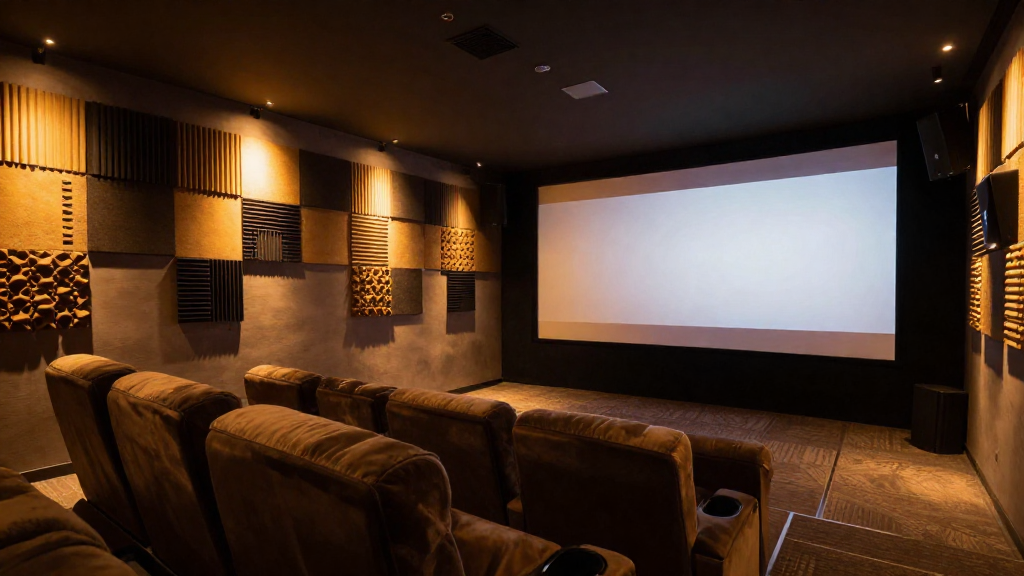
In this article, we will delve into home theater diffusers explained, focusing on their significance in optimizing sound quality.
What Are Sound Diffusers?
Sound diffusers are acoustic devices designed to scatter sound waves in various directions. This scattering effect helps to reduce echoes and create a more balanced sound environment. Unlike sound absorbers, which soak up sound energy, diffusers maintain sound energy while dispersing it, ensuring a lively acoustic space.
How Do Sound Diffusers Work?
Sound diffusers operate based on principles of sound wave behavior. When sound waves hit a diffuser, they are redirected, creating a more uniform sound field. This process can enhance the auditory experience by eliminating dead spots where sound waves may cancel each other out.
Types of Sound Diffusers
- Quadratic Residue Diffusers (QRD): These diffusers have a series of wells of varying depths to scatter sound effectively.
- Binary Diffusers: Known for their simple design, these diffusers consist of alternating depths for sound diffusion.
- Wooden Diffusers: Aesthetic and functional, these wooden structures provide a natural look while dispersing sound.
Benefits of Using Sound Diffusers
Integrating sound diffusers into your home theater can significantly enhance your audio experience. They help to create a more immersive environment by ensuring sound waves reach all areas of the room evenly. Additionally, diffusers can reduce unwanted sound reflections, leading to clearer dialogue and better overall sound quality.
Why Are Sound Diffusers Important in Home Theaters?
Sound diffusers play a crucial role in home theater settings by improving audio clarity and spatial awareness. Without appropriate sound diffusion, you might experience uneven sound distribution, which can detract from your viewing experience. Therefore, understanding the importance of these devices is essential for anyone looking to optimize their home cinema.
Improved Sound Quality
One of the primary reasons to use sound diffusers in a home theater is to improve sound quality. By scattering sound waves, they help to create a more balanced audio experience. This means that every seat in the room can enjoy high-quality sound without the interference of harsh echoes.
Enhanced Listening Experience
Diffusers can transform a typical movie night into a truly immersive experience. With better sound distribution, viewers can hear finer details in the audio track, from whispers to booming sound effects. This enhancement contributes to a more engaging and enjoyable viewing experience.
Reduced Echo and Reverberation
Excessive echo and reverberation can be detrimental to sound clarity. Sound diffusers help minimize these issues by breaking up sound waves before they bounce back into the room. As a result, dialogue becomes clearer, and the overall sound is more pleasant.
How to Choose the Right Sound Diffusers for Your Home Theater?
Selecting the right sound diffusers involves understanding your space and your specific audio needs. Not all diffusers are created equal, and different types serve different purposes. Here are some factors to consider when choosing the best diffusers for your home theater.
Room Size and Shape
The size and shape of your room will greatly influence your choice of sound diffusers. Larger rooms may require more diffusers to effectively scatter sound. Conversely, smaller rooms may benefit from fewer, strategically placed diffusers to avoid overwhelming the space.
Material Considerations
Different materials can affect the performance of sound diffusers. Wood, for instance, is known for its aesthetic appeal and acoustic properties. On the other hand, synthetic materials may offer different diffusion characteristics. Consider the look you want to achieve alongside the acoustic performance.
Budget
Your budget will also play a significant role in your choice of sound diffusers. While there are many affordable options available, investing in high-quality diffusers can yield better results in the long run. Assess your financial constraints and prioritize quality where possible.
Where to Place Sound Diffusers in Your Home Theater?
The placement of sound diffusers is as important as their selection. Proper positioning can maximize their effectiveness and enhance your overall audio experience. Here are some guidelines for optimal placement.
Front and Side Walls
Placing diffusers on the front and side walls of your home theater can help to evenly distribute sound across the room. This positioning can also prevent sound from bouncing directly back to the speakers, which could cause phase cancellation and muddiness in the audio.
Ceiling Placement
Ceiling diffusers can be particularly effective in controlling sound reflections from above. This is especially important in home theaters with sloped ceilings or high ceilings, where sound can easily bounce around and create echo. Installing diffusers on the ceiling can help mitigate these effects.
Behind the Seating Area
Consider placing diffusers behind the seating area to minimize sound reflections that can disrupt the listening experience. This placement allows for a more natural sound field, enhancing the immersive quality of your home theater.
Can Sound Diffusers Be DIY?
Many home theater enthusiasts wonder if they can create their own sound diffusers. The answer is yes, and it can be a rewarding project. DIY diffusers can be customized to fit your specific room needs and aesthetic preferences.
Materials for DIY Diffusers
- Wood: An excellent choice for creating aesthetically pleasing diffusers.
- Plastic: Lightweight and easy to work with, making it a good option for DIY projects.
- Foam: While not a traditional diffuser, certain types of foam can be manipulated to scatter sound effectively.
Design Ideas
When designing your DIY diffusers, consider patterns and depths that will effectively scatter sound waves. Popular designs include QRD and binary diffusers, which can be created with basic woodworking skills. There are numerous online resources to help guide you through the process.
Testing and Adjusting
Once you’ve built your diffusers, it’s essential to test their effectiveness in your home theater. Use a sound meter or audio analysis software to measure sound distribution and make adjustments as needed. This iterative process will help you fine-tune the performance of your DIY diffusers.
Conclusion: How Do Sound Diffusers Enhance Home Theater Experience?
In summary, home theater diffusers explained reveal their pivotal role in crafting an exceptional audio experience. By properly selecting, placing, and even considering DIY options, you can significantly improve your home theater’s sound quality. Whether you’re a casual movie lover or an audiophile, investing in sound diffusers will undoubtedly elevate your cinematic experience.