
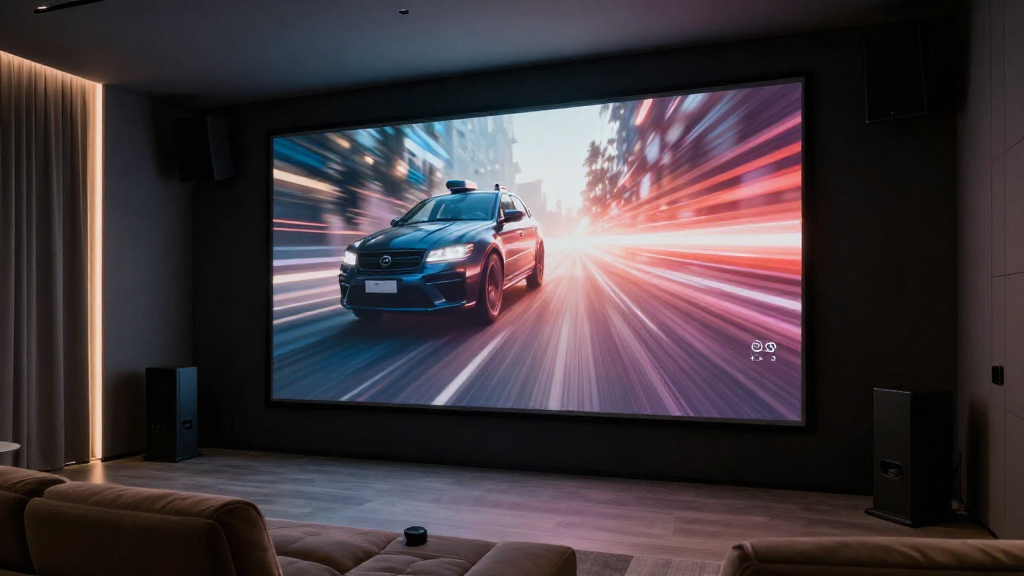
In this article, we will explore the concept of home theater refresh rate explained and how it influences your viewing experience.
What Is Refresh Rate?
The refresh rate refers to how many times per second a display updates with new information. It’s measured in hertz (Hz), where one hertz equals one update per second. A higher refresh rate results in smoother motion and better clarity.
Why Does Refresh Rate Matter?
The refresh rate is crucial for providing a seamless viewing experience. Higher refresh rates reduce motion blur, making fast-moving scenes clearer. This is particularly important for sports and action movies.
Common Refresh Rates Explained
- 60Hz: This is the standard refresh rate for most displays, suitable for regular viewing.
- 120Hz: Ideal for action-packed content, providing smoother transitions and reducing motion blur.
- 240Hz: Best for high-performance gaming and fast-paced movies, offering ultra-smooth motion.
Understanding these common refresh rates can help you choose the best display for your home theater.
How Does Refresh Rate Affect Picture Quality?
Refresh rate plays a significant role in the overall picture quality of your home theater. It directly impacts how motion is rendered and perceived on-screen.
Impact on Motion Clarity
Higher refresh rates enhance motion clarity by providing more frames per second. This results in less motion blur, especially during fast-moving scenes. Viewers can enjoy a clearer picture without distracting artifacts.
Frame Rate vs. Refresh Rate
It’s essential to distinguish between frame rate and refresh rate. Frame rate refers to how many frames per second a video is recorded, while refresh rate is how often the display can show those frames. A mismatch can lead to screen tearing and stuttering.
Importance of Compatibility
When purchasing a home theater display, ensure that the refresh rate is compatible with your source devices. If your gaming console or streaming device outputs at a lower frame rate, the benefits of a higher refresh rate may not be fully realized.
What Is the Ideal Refresh Rate for Home Theaters?
The ideal refresh rate for home theaters largely depends on your viewing habits and the type of content you consume. Different scenarios call for different refresh rates.
For Movies and TV Shows
For most movies and TV shows, a refresh rate of 60Hz is sufficient. However, if you enjoy action-packed films or sports, a 120Hz display would provide a smoother experience.
For Gaming
Gamers should consider displays with refresh rates of 120Hz or higher. This enables a more responsive gameplay experience, especially in fast-paced games. Higher refresh rates can reduce input lag, giving gamers a competitive edge.
Future-Proofing Your Home Theater
Investing in a higher refresh rate display can future-proof your home theater setup. As technology advances, more content will be available in higher frame rates, making a 120Hz or 240Hz display a smart choice.
How to Choose a Home Theater Display with the Right Refresh Rate?
Choosing the right home theater display involves understanding your needs and preferences. Here are some factors to consider when selecting a display with an appropriate refresh rate.
Assess Your Content Consumption
Consider the type of content you watch the most. If you primarily watch movies, a standard 60Hz display may suffice. However, if you watch sports or play video games, aim for at least 120Hz.
Consider Your Viewing Distance
Your viewing distance can also influence the perceived benefits of higher refresh rates. If you sit far from the screen, a higher refresh rate may not be as noticeable. Conversely, sitting closer to the screen can make the advantages of higher refresh rates more apparent.
Look for Adaptive Sync Technologies
Consider displays that incorporate adaptive sync technologies, such as V-Sync, G-Sync, or FreeSync. These technologies help synchronize the display’s refresh rate with the frame rate of your source device, preventing screen tearing and enhancing the overall experience.
Conclusion: Why Understanding Refresh Rate Matters
Understanding the concept of home theater refresh rate explained is essential for optimizing your viewing experience. By choosing the right refresh rate for your needs and preferences, you can significantly enhance your enjoyment of movies, sports, and gaming.
As technology continues to evolve, staying informed about refresh rates will enable you to make the best choices for your home theater setup. Always consider future-proofing your investment for an unparalleled experience.