
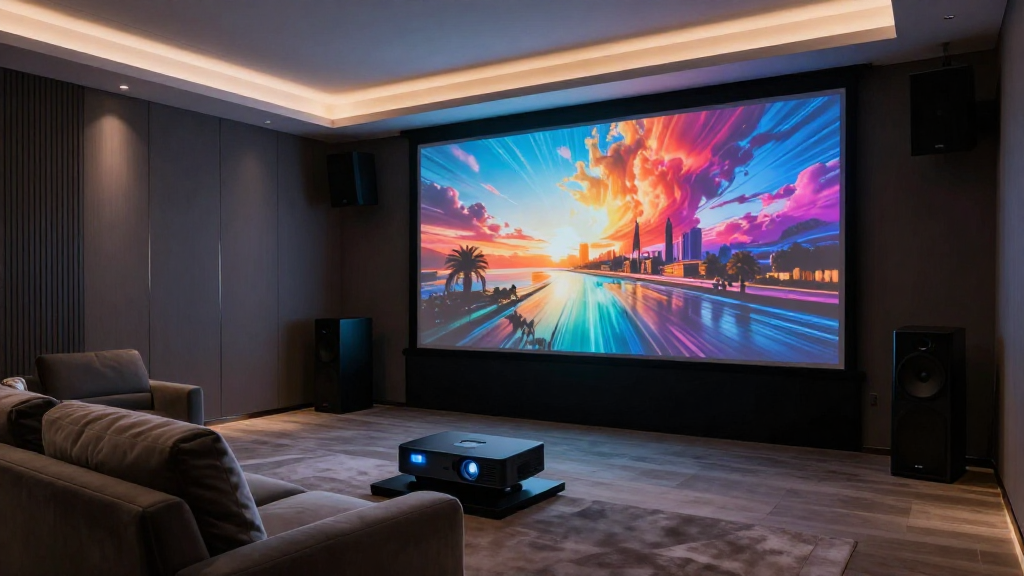
In this article, we will explore the concept of home theater upscaling explained, detailing its benefits and functionalities.
What is Upscaling?
Upscaling refers to the process of enhancing the resolution of lower-quality video content to improve its appearance on high-definition displays. This technology plays a significant role in home theaters, making it crucial for viewers who want to maximize their viewing experience.
How Does Upscaling Work?
Upscaling works by analyzing the original video content and interpolating additional pixels to create a higher resolution image. It uses complex algorithms to estimate the color and brightness of the new pixels, resulting in a smoother image. Commonly, upscaling techniques include:
- Bilinear interpolation
- Bicubic interpolation
- Advanced algorithms like deep learning
Types of Upscaling
There are several types of upscaling techniques used in home theaters, including:
- Hardware Upscaling: This type of upscaling is done by the display device itself, such as a TV or projector.
- Software Upscaling: Implemented through external devices like media players or set-top boxes, this method often provides more control over the upscaling process.
- Cloud Upscaling: Emerging technologies utilize cloud computing to upscale video content before streaming it to users.
Why is Upscaling Important for Home Theaters?
Understanding the significance of upscaling is essential for any home theater enthusiast. The main benefits of upscaling include enhanced image quality, improved viewing experiences, and compatibility with various media formats.
Enhanced Image Quality
One of the primary advantages of upscaling is the improved visual quality of lower-resolution content. By converting standard definition (SD) or high definition (HD) content to 4K or higher resolutions, viewers can enjoy sharper images with more detail. This is particularly beneficial when watching older films or television shows that were not originally produced in high resolution.
Improved Viewing Experience
Upscaling significantly enhances the overall viewing experience in a home theater setting. With better image quality, viewers can immerse themselves more fully in the content. This is especially crucial for large screen displays, where lower-resolution content may appear pixelated or blurry without proper upscaling.
Compatibility with Various Media Formats
In today’s digital age, media comes in various formats and resolutions. Upscaling ensures that all types of content, from DVDs to streaming services, can be enjoyed on high-definition displays. This versatility allows viewers to appreciate their favorite movies and shows without worrying about compatibility issues.
What Are the Limitations of Upscaling?
While upscaling offers numerous benefits, it does have limitations that viewers should be aware of. Understanding these limitations can help in setting realistic expectations when upgrading a home theater system.
Source Quality Matters
One of the key limitations of upscaling is that the quality of the original source material greatly impacts the final output. If the source content is of poor quality, upscaling can only do so much to improve its appearance. Therefore, it is crucial to start with the best possible source material for optimal results.
Processing Time
Upscaling can add processing time, which may affect the overall performance of your home theater system. Depending on the device used for upscaling, there may be a slight delay in video playback. This latency can be particularly noticeable during fast-paced scenes in movies or video games, detracting from the viewing experience.
Potential Artifacts
Upscaling can sometimes introduce visual artifacts, such as blurring or halo effects around edges. These artifacts occur due to the limitations of the upscaling algorithms used. High-quality upscaling technology can minimize these issues, but it’s essential to be aware that not all devices perform equally well.
How to Choose the Right Upscaling Technology?
Choosing the right upscaling technology can significantly influence your home theater experience. Here are some factors to consider when making your decision.
Display Resolution
The resolution of your display is a crucial factor in determining the effectiveness of upscaling. If you have a 4K television, look for upscaling technologies that can handle 4K output effectively. This ensures that you are getting the best possible image quality from your content.
Device Compatibility
Make sure that the upscaling technology you choose is compatible with your existing home theater components. Whether it’s a TV, projector, or external media player, compatibility is key to achieving a seamless viewing experience. Consult the specifications of your devices to confirm their capabilities.
User Reviews and Recommendations
Before investing in any upscaling technology, it’s wise to read user reviews and seek recommendations from experts. This can offer insight into the performance and reliability of different products, helping you make an informed decision. User experiences can often reveal hidden benefits or drawbacks that may not be immediately apparent.
Conclusion: Is Upscaling Worth It?
In summary, home theater upscaling explained reveals its crucial role in enhancing the viewing experience. While it does have limitations, the benefits of improved image quality and compatibility with various media formats make it a valuable addition to any home theater setup. By understanding how upscaling works and what to look for, you can make informed choices to optimize your viewing experience.