
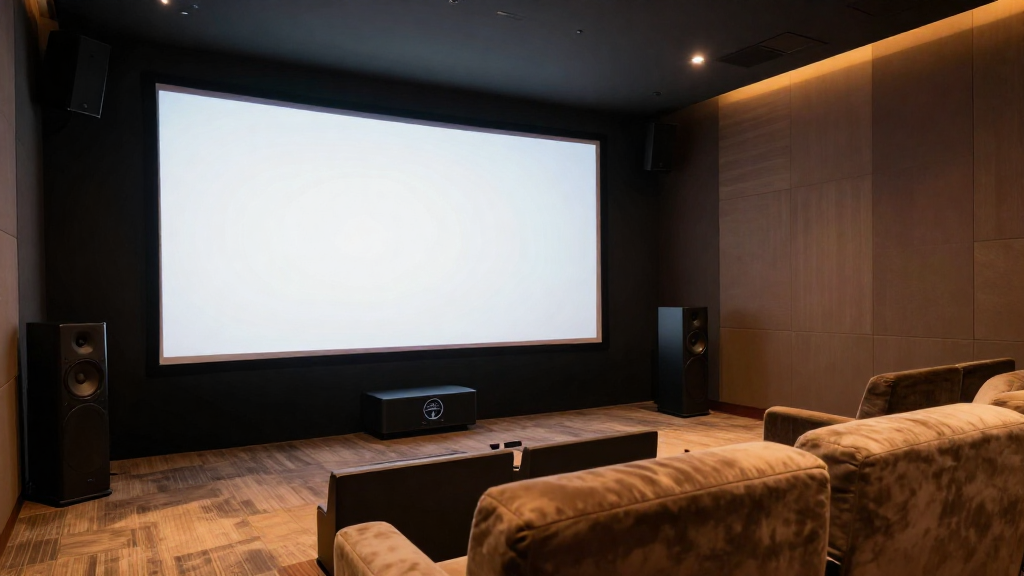
In this article, we will explore the concept of home theater wattage explained, helping you understand how much wattage is necessary for your ideal setup.
What Is Home Theater Wattage?
Home theater wattage refers to the amount of electrical power that your audio and video equipment consumes to operate efficiently. Understanding this concept is critical for ensuring your home theater functions optimally.
Defining Wattage in Audio Systems
In audio systems, wattage is a crucial factor that indicates how much power the speakers can handle without distortion. Higher wattage often translates to louder sound levels, making it essential for an immersive experience.
Wattage in Video Equipment
For video equipment, wattage indicates the energy consumption of projectors and televisions, which can impact their performance. Knowing the wattage helps in selecting devices that not only meet your visual needs but also fit within your energy budget.
Importance of Matching Wattage
Matching the wattage of your receiver with your speakers is vital for achieving the best audio quality. An imbalance can lead to underperformance or damage to your equipment over time.
How Much Wattage Do You Need?
The amount of wattage needed for your home theater largely depends on the size of the room and the number of speakers you plan to use. A well-calibrated setup ensures an enjoyable viewing experience.
Room Size Considerations
In larger rooms, you may require more wattage to fill the space adequately with sound. For instance, a small room may only need a 50-100 watt amplifier, while larger spaces might require 200 watts or more to achieve the desired sound levels.
Number of Speakers
The total wattage also varies based on the number of speakers you have. A basic 5.1 surround sound system typically requires a receiver with at least 100 watts per channel, while a 7.1 system would necessitate even higher wattage to support additional speakers.
Listening Preferences
Your personal listening preferences play a significant role in determining wattage. If you enjoy loud music or action-packed movies, investing in a higher wattage system will enhance your overall experience.
What Are the Common Wattage Ratings?
Wattage ratings can vary significantly based on the type of equipment. Familiarizing yourself with common wattage ratings helps in making informed decisions.
Low Wattage Systems
Systems with 10-50 watts per channel are generally considered low wattage. These are suitable for small spaces or casual listening environments, where high volume is not a primary concern.
Moderate Wattage Systems
Moderate systems typically range from 50-100 watts per channel. These setups can fill medium-sized rooms and provide satisfactory sound quality for most home theater applications.
High Wattage Systems
High wattage systems are those that exceed 100 watts per channel. They are ideal for larger spaces or for users who prioritize sound quality and volume. These systems often deliver an immersive audio experience.
How to Calculate Your Home Theater Wattage Needs?
Calculating your home theater wattage needs can be simplified with a few key steps. This will ensure your system is balanced and performs well.
Assess Your Room Size
Start by measuring your room dimensions. Larger rooms may require more wattage to fill the space adequately, while smaller rooms can function well with less.
Determine Speaker Configuration
Next, consider your speaker configuration. Calculate the total wattage by multiplying the number of speakers by their individual wattage ratings to get a clearer picture of your needs.
Account for Listening Habits
Finally, factor in your listening habits. If you plan to watch movies with heavy sound effects or listen to loud music regularly, it may be wise to opt for a higher wattage system.
What Are the Advantages of Higher Wattage?
Higher wattage systems offer several advantages that enhance your home theater experience. Understanding these benefits can guide your purchasing decisions.
Improved Sound Quality
Higher wattage typically results in improved sound quality, allowing for clearer audio reproduction. This is especially important for action movies or music with complex soundscapes.
Better Performance at High Volumes
With higher wattage, your system can perform better at high volumes without distortion. This means you can enjoy your favorite content at loud levels without compromising on quality.
Future-Proofing Your Setup
Investing in a higher wattage system can future-proof your setup, as it allows for potential upgrades and additions. This flexibility ensures your home theater remains relevant as technology advances.
What Are Some Common Misconceptions About Wattage?
Many myths surrounding wattage can lead to confusion when setting up a home theater. Understanding these misconceptions helps in making informed choices.
More Wattage Equals Better Quality
One common misconception is that more wattage automatically means better sound quality. While higher wattage can enhance audio performance, it is not the sole factor contributing to sound quality.
Wattage Is the Only Factor
Another myth is that wattage is the only important factor in audio equipment. However, components like speaker sensitivity and room acoustics also significantly influence overall performance.
All Equipment Needs the Same Wattage
Finally, some believe that every piece of equipment in a home theater requires the same wattage. In reality, different components have varying power requirements based on their design and intended use.
Conclusion: Understanding Home Theater Wattage Explained
In conclusion, having a clear understanding of home theater wattage explained is vital for creating an optimal viewing and listening experience. By assessing room size, speaker configuration, and personal preferences, you can determine the right wattage for your setup. Investing in the appropriate wattage will not only enhance your entertainment experience but also ensure that your system remains functional and enjoyable for years to come.