
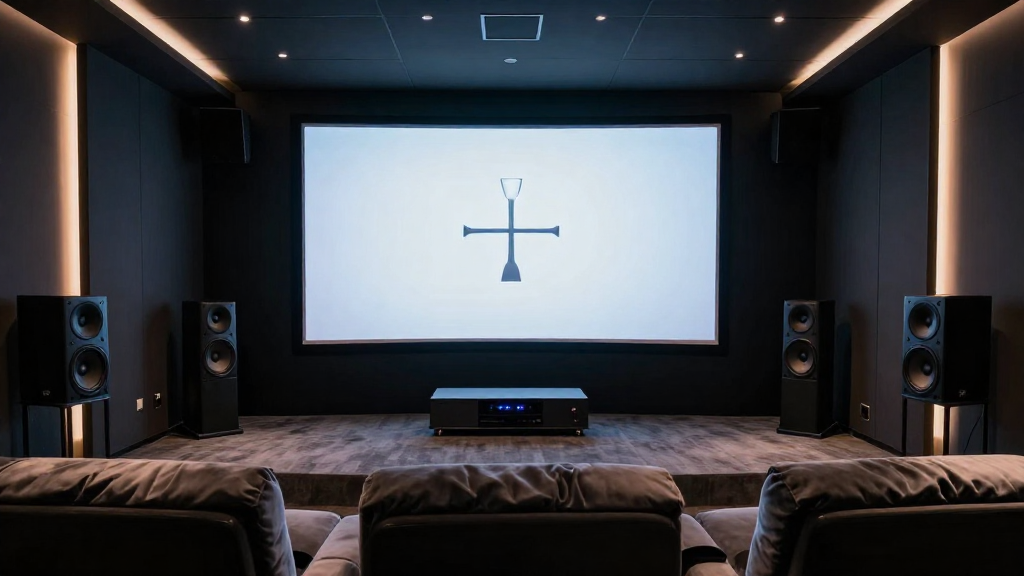
In this article, we will explore the concept of a home theater crossover explained, detailing its significance in enhancing audio quality.
What Is a Crossover?
A crossover is an electronic filter used in audio systems, including home theaters, to direct specific frequency ranges to appropriate speakers. In essence, it ensures that low-frequency sounds are sent to subwoofers, while mid and high-frequency sounds are directed to satellites and main speakers. This division of audio signals is crucial for achieving a balanced and immersive sound experience.
Types of Crossovers
- Passive Crossovers: These are made from passive components and are usually located inside the speaker cabinets. They do not require a power source.
- Active Crossovers: These require power and are placed before the amplifier. They offer more flexibility and control over the audio signal.
- Digital Crossovers: These use digital signal processing to manage audio frequencies with precision, often found in modern AV receivers.
How Crossovers Work
Crossovers work by splitting the audio signal into different frequency bands, which are then routed to the appropriate speakers. The crossover point, or frequency, is predetermined based on the speaker specifications and the overall design of the home theater system. This separation allows each speaker to perform at its best.
Why Are Crossovers Important in Home Theater?
Understanding the importance of a home theater crossover explained leads us to appreciate the overall audio quality. Proper crossover settings can dramatically improve sound clarity, depth, and spatial imaging, which is essential for a cinematic experience.
Enhanced Sound Quality
A well-designed crossover ensures that each speaker operates within its optimal frequency range. For example, if a speaker is designed for mid-range frequencies, sending it low bass signals can distort the sound, leading to poor audio quality. By using a crossover, each speaker can reproduce sound as intended.
Improved Speaker Longevity
By limiting the frequency range sent to each speaker, crossovers help prevent damage from over-exertion. This not only improves sound quality but also extends the lifespan of your speakers. Avoiding distortion and ensuring that speakers operate within their limits is crucial for long-term performance.
Better Soundstage and Imaging
A properly configured crossover contributes to a more accurate soundstage, allowing you to pinpoint audio placement. This enhances the immersive experience of home theater systems, making it feel like sounds are coming from their respective locations within the screen. A well-defined soundstage is key to a satisfying viewing experience.
How to Set Up a Crossover in Your Home Theater?
Setting up a crossover correctly is essential for optimizing your home theater system. Here are some steps and considerations to ensure you get it right.
Determine Your Speaker Specifications
Understanding your speakers’ frequency response is crucial. Check the manufacturer’s specifications or manual to find the recommended frequency ranges for each speaker. This information will guide you in selecting the correct crossover points.
Select Your Crossover Type
Decide whether you want to use a passive, active, or digital crossover. Each type has its pros and cons, depending on your system’s complexity and your audio preferences. For most home theater setups, an active crossover may provide the best control and versatility.
Adjust Crossover Settings
Once you have selected your crossover type, adjust the settings according to the frequency specifications of your speakers. Many modern AV receivers offer built-in crossover settings, allowing you to fine-tune the frequency output easily. Be sure to listen and make adjustments based on your personal preferences.
What Frequency Should You Set Your Crossover At?
The frequency at which you set your crossover can significantly impact your home theater experience. Here’s a guide to help you determine the best settings.
General Guidelines for Crossover Frequencies
- For subwoofers, a common crossover point is around 80 Hz, but it can vary based on your main speakers’ capabilities.
- For bookshelf speakers, consider a crossover point between 100 Hz and 120 Hz.
- For larger floor-standing speakers, a crossover point around 60 Hz to 80 Hz is often ideal.
Listening Tests
After setting your crossover frequencies, conduct listening tests to find the best sound. Play various audio sources and pay attention to how well the speakers blend together. Adjust the settings until you achieve a balanced sound that suits your listening preferences.
Common Mistakes to Avoid When Setting Crossovers
Understanding common pitfalls can be crucial when setting up your home theater crossover. Here are a few mistakes to watch out for.
Ignoring Speaker Specifications
One of the most significant mistakes is not considering the specifications of your speakers. Always refer to the manufacturer’s guidelines to avoid sending inappropriate frequencies that could damage your equipment.
Overlapping Frequencies
Setting crossover points too close together can lead to overlapping frequencies, resulting in muddled sound. It’s essential to ensure that each speaker has a clear frequency range to operate within.
Neglecting Room Acoustics
Your room’s acoustics can affect how sound is perceived. Factors such as wall materials, furniture, and room shape can alter audio quality. Always consider room acoustics when setting your crossover to optimize sound performance.
Conclusion: Mastering Your Home Theater Crossover
In conclusion, understanding the concept of a home theater crossover explained is crucial for anyone looking to enhance their audio experience. By recognizing the importance of crossovers, selecting the right type, and adjusting settings appropriately, you can achieve a balanced, immersive sound in your home theater system. Remember to avoid common mistakes and regularly reassess your settings based on your listening preferences and room acoustics to ensure optimal performance.