
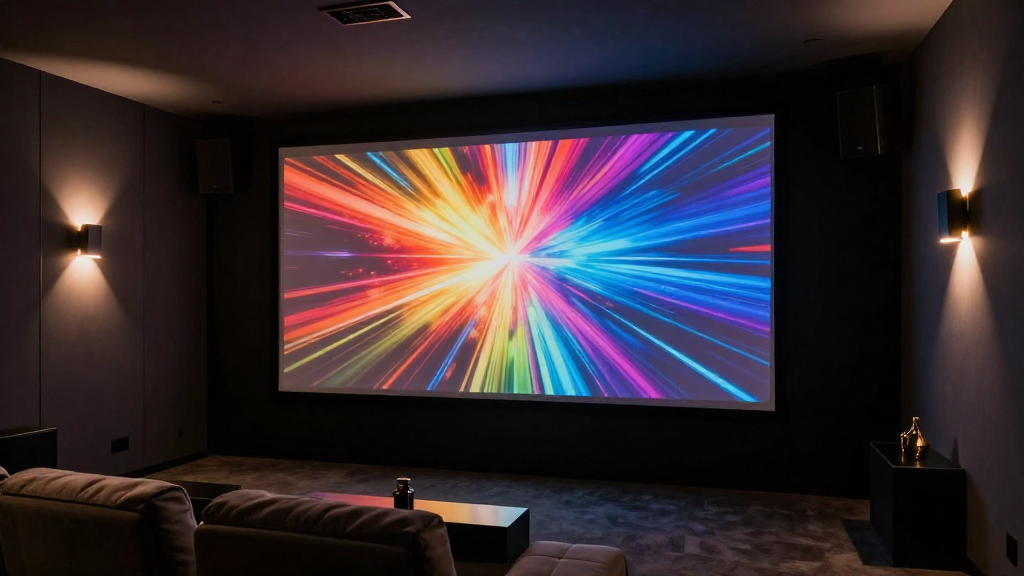
In this article, we will delve into the concept of home theater contrast explained, highlighting its significance in enhancing your viewing experience.
What is Contrast in Home Theater Displays?
Contrast refers to the difference in luminance or color that makes an object distinguishable from others within the same field of view. In home theater displays, contrast is crucial for achieving vibrant images and clear details.
Understanding the Basics of Contrast
The term **contrast ratio** is often used to quantify how well a display can produce differences between the darkest blacks and the brightest whites. For example, a display with a contrast ratio of 1000:1 can produce a black that is 1000 times darker than its whitest white. High contrast ratios lead to more vivid images, making your viewing experience more immersive.
Types of Contrast
- Native Contrast: This is the contrast ratio of a display when it is set to its optimal settings without any enhancement.
- Dynamic Contrast: Some displays offer dynamic contrast settings, which adjust the brightness on-the-fly to enhance the contrast based on the content.
- Perceived Contrast: This refers to how the human eye interprets contrast, which can be influenced by ambient light and viewing angles.
Why is Contrast Important for Home Theater?
Understanding the importance of contrast in home theater displays can significantly improve your overall viewing experience. It affects how you perceive image quality, depth, and realism.
Enhances Image Quality
A higher contrast ratio allows for greater detail in both dark and bright areas of an image. This means you’ll see more details in shadows and highlights, enhancing the overall quality of the picture.
Improves Depth Perception
Good contrast can create a sense of depth in images, making them appear more three-dimensional. This is especially important in movies and video games, where depth perception can enhance immersion.
Influences Color Accuracy
Contrast also plays a vital role in color accuracy. Displays with higher contrast ratios can reproduce colors more vividly, allowing for a more realistic representation of scenes.
How is Contrast Measured?
Understanding how contrast is measured can help you make informed decisions when purchasing a home theater display. Several methods are used to assess contrast ratios.
Static Contrast Ratio
This is a straightforward measurement of the difference between the brightest white and the darkest black that a display can produce. Static contrast ratios are essential for assessing the baseline performance of a display.
Dynamic Contrast Ratio
Dynamic contrast ratios take into account the display’s ability to adjust brightness levels for different scenes. This can lead to numbers that are significantly higher than static ratios but may not always reflect real-world performance.
Real-World Testing
To truly understand how a display performs, it’s essential to consider real-world testing. This includes viewing various content types in different lighting conditions to see how well the contrast holds up.
How to Improve Contrast in Your Home Theater?
If you’re looking to enhance the contrast of your home theater display, several strategies can be employed. These methods can help optimize your viewing environment and display settings.
Calibrate Your Display
Proper calibration of your display settings can significantly improve contrast. Adjust brightness, contrast, and color settings to match your viewing preferences and the ambient light in your room.
Control Ambient Light
Reducing ambient light in your viewing area can dramatically enhance perceived contrast. Consider using blackout curtains or shades to minimize outside light interference.
Choose the Right Display Technology
- OLED: Known for their deep blacks and high contrast ratios.
- LED-LCD: These can also provide good contrast, especially with local dimming features.
- Projectors: High-quality projectors can offer excellent contrast with the right screen and settings.
What are the Challenges of Achieving Good Contrast?
While achieving good contrast is essential, there are challenges that can affect the performance of home theater displays. Understanding these challenges can help you make better decisions.
Ambient Light Interference
Bright rooms can wash out images, reducing the effectiveness of contrast. This is a common issue for many home theater setups and can be mitigated with effective light control.
Quality of the Source Material
The quality of the source material can also influence contrast. Low-quality video files may not utilize the full range of contrast available in high-end displays.
Display Limitations
Not all displays are created equal. Some technologies may struggle to achieve high contrast ratios, which can lead to a less satisfying viewing experience.
Conclusion: Understanding Home Theater Contrast Explained
In summary, home theater contrast explained is a vital concept that significantly affects your viewing experience. By understanding the basics of contrast, why it matters, how it is measured, and ways to improve it, you can make informed decisions about your home theater setup. Whether you’re watching movies, playing video games, or enjoying sports, achieving optimal contrast will lead to a more immersive and enjoyable experience.