
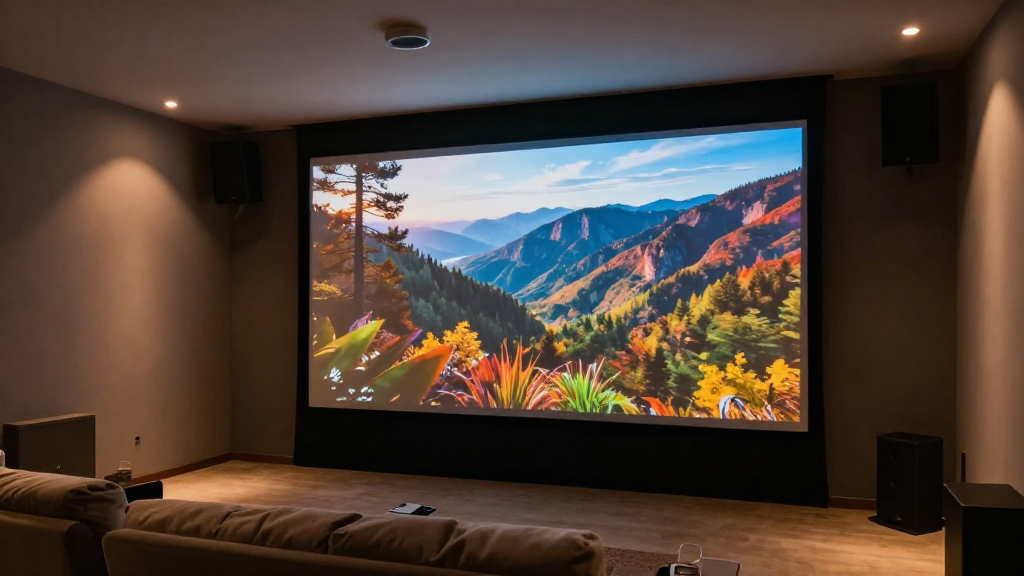
In this article, we will delve into the concept of home theater HDR explained, exploring its significance and how it enhances your viewing experience.
What Does HDR Stand For?
HDR stands for High Dynamic Range. This technology allows for a wider range of colors and brightness levels compared to standard dynamic range (SDR). In practical terms, HDR makes images more realistic and vibrant, enhancing your home theater experience.
Understanding Dynamic Range
Dynamic range refers to the difference between the darkest and lightest parts of an image. A higher dynamic range means that you can see details in both shadows and highlights. This results in more depth and realism in the visual experience.
Why Is HDR Important?
HDR is important because it allows content creators to showcase their work more accurately. It ensures that audiences see the colors and lighting as intended. In a home theater setting, this can transform ordinary movie nights into extraordinary experiences.
Different Types of HDR Formats
- HDR10: The most common format, widely supported across devices.
- Dolby Vision: Offers dynamic metadata for scene-by-scene optimization.
- HLG (Hybrid Log-Gamma): Primarily used for live broadcasts.
How Does HDR Work in Home Theaters?
Understanding how HDR works is crucial for maximizing its benefits in your home theater setup. HDR utilizes advanced processing techniques to enhance image quality.
The Role of HDR TVs
HDR TVs are equipped with technology that can display wider color gamuts and higher brightness levels. They effectively process HDR signals to bring out the best in the content. A good HDR TV can make a significant difference in your viewing experience.
HDR Sources: What Can You Watch?
Many streaming services now offer HDR content. Platforms such as Netflix, Amazon Prime Video, and Disney+ provide a range of movies and series in HDR. Additionally, 4K Blu-ray discs often feature HDR content, giving you more options for high-quality viewing.
The Importance of HDMI Cables
To fully utilize HDR, you need the right HDMI cables. Ensure that you are using HDMI 2.0 or higher to support HDR signals. This will prevent issues like signal degradation and ensure the best quality for your home theater.
What Are the Benefits of HDR in Home Theater?
The benefits of HDR technology in home theaters are substantial, offering improvements that can enhance your overall experience.
Improved Color Accuracy
HDR enhances color accuracy by providing a wider color gamut. This means more shades and tones are available, making images look more lifelike. The visual difference is particularly noticeable in vibrant scenes, where colors pop and details are more defined.
Enhanced Detail in Shadows and Highlights
One of the standout features of HDR is its ability to preserve detail in both dark and bright areas of the image. This enhanced detail allows viewers to see textures and elements that might be lost in standard formats. It creates a more immersive viewing experience.
Greater Immersion in Content
HDR creates a sense of realism that draws viewers into the content. The combination of enhanced colors and details makes it feel as though you are part of the scene. This greater immersion is one of the key reasons people invest in HDR technology for their home theaters.
How to Set Up HDR in Your Home Theater?
Setting up HDR in your home theater involves several steps to ensure everything is configured correctly for optimal viewing.
Choosing the Right Equipment
Start by selecting an HDR-capable TV or projector. Ensure that your source devices, such as streaming players or gaming consoles, also support HDR. This will ensure that you can enjoy HDR content at its best.
Adjusting Settings on Your TV
Once you have the right equipment, adjust your TV settings to enable HDR. This may include turning on HDR mode and adjusting brightness and contrast levels. Refer to your TV’s manual for specific instructions tailored to your model.
Testing HDR Content
After configuration, test your setup with HDR content. Streaming services often provide HDR-specific titles to help you gauge the quality. Make adjustments as necessary to optimize your viewing experience.
What Challenges Can You Face with HDR?
While HDR technology offers numerous benefits, there can also be challenges in implementation and performance.
Inconsistent Content Quality
The quality of HDR content can vary significantly. Some films utilize HDR beautifully, while others may not take full advantage of the technology. It’s essential to read reviews and check ratings for HDR performance on various titles.
Equipment Limitations
Not all TVs and projectors handle HDR the same way. Some may struggle with brightness levels or color accuracy. Researching and investing in quality equipment can mitigate these issues and enhance your HDR experience.
Calibration Needs
Proper calibration of your equipment is crucial for achieving the best HDR performance. This can involve adjusting settings and possibly hiring a professional for more complex systems. Regular maintenance and calibration ensure that your home theater remains optimized for HDR viewing.
Conclusion: Is HDR Right for Your Home Theater?
Ultimately, whether HDR is right for your home theater comes down to personal preference and viewing habits. If you enjoy watching movies or playing games with stunning visuals, investing in HDR technology can significantly enhance your experience. By understanding home theater HDR explained, you can make informed decisions about your setup and enjoy the full benefits of this advanced technology.