
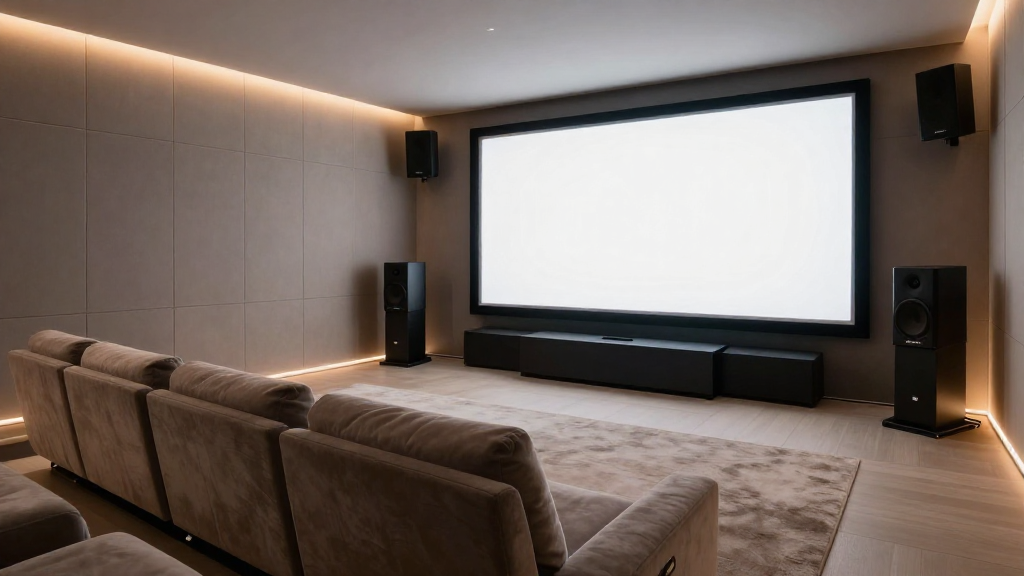
In this article, we will delve into how Dolby Atmos works in a home theater, exploring its unique features and benefits.
What is Dolby Atmos?
Dolby Atmos is an innovative sound technology that enhances the audio experience in home theaters. Unlike traditional surround sound systems, which channel audio through speakers arranged around the room, Dolby Atmos creates a three-dimensional sound environment. This allows sounds to move freely in a 3D space, adding depth and realism to your audio experience.
Origins of Dolby Atmos
Introduced by Dolby Laboratories in 2012, Atmos was first used in cinemas and has since been adapted for home theater systems. It was designed to provide a more immersive experience by allowing sound designers to place sounds in a 3D environment. This technology has revolutionized how we experience films, music, and games.
Key Features of Dolby Atmos
- Object-based audio: Unlike channel-based formats, Dolby Atmos treats sounds as individual objects that can be placed anywhere in a room.
- Height channels: Atmos supports overhead sound, allowing for a more realistic experience that mimics how we hear sounds in real life.
- Scalability: Dolby Atmos systems can be configured in various ways, from simple setups to complex multi-speaker arrangements.
How Does Dolby Atmos Work in Home Theater Systems?
Understanding how Dolby Atmos works in a home theater requires knowledge of its components and audio processing techniques. With the right setup, you can create a captivating listening experience that envelops you in sound.
Essential Components of a Dolby Atmos System
A home theater that supports Dolby Atmos typically includes several key components:
- AV Receiver: A compatible AV receiver decodes the Dolby Atmos signal and directs audio to the appropriate speakers.
- Speakers: For the best experience, you need speakers that can reproduce height channels, either via upward-firing speakers or ceiling-mounted options.
- Media Source: You will need content that is mixed in Dolby Atmos, such as Blu-ray discs, streaming services, or gaming consoles.
Audio Processing Techniques
Dolby Atmos utilizes advanced audio processing techniques to create a spatial sound environment. Some of the techniques include:
- Dynamic Sound Placement: Sounds can shift dynamically in 3D space, creating an engaging audio landscape.
- Adaptive Mixing: The system adjusts the mix based on the number of speakers available, ensuring optimal sound quality.
- Room Calibration: Many AV receivers come with calibration tools that help optimize sound based on your room’s acoustics.
What Are the Benefits of Dolby Atmos in Home Theater?
Utilizing Dolby Atmos in your home theater can significantly enhance your audio experience. Let’s explore some of the key benefits of this technology.
Enhanced Immersion
One of the most significant advantages of Dolby Atmos is the sense of immersion it provides. You can experience:
- Realistic Soundscapes: Sounds come from above, below, and around, making you feel part of the action.
- Improved Clarity: Separate audio objects enhance clarity, allowing you to distinguish dialogue, effects, and music more easily.
- Emotional Engagement: The immersive sound can evoke stronger emotional responses during films and music.
Versatile Listening Experience
Dolby Atmos is not limited to movies; it also enhances music and gaming experiences. With Dolby Atmos:
- Music: Artists can create multi-dimensional soundscapes that transform how you listen to music.
- Gaming: Gamers benefit from positional audio, allowing them to locate sounds and react more effectively.
- Content Variety: Many streaming platforms and physical media now offer Dolby Atmos content, ensuring plenty of options.
How to Set Up Dolby Atmos in Your Home Theater?
Setting up a Dolby Atmos system in your home theater may seem daunting, but with the right steps, it can be straightforward. Here’s how you can get started.
Choosing the Right Equipment
Before you begin, it’s essential to select compatible equipment. Consider the following:
- AV Receiver: Ensure your receiver supports Dolby Atmos decoding.
- Speakers: Invest in upward-firing speakers or ceiling speakers for height effects.
- Cables: Use high-quality HDMI cables that support high-bandwidth audio signals.
Speaker Placement
Correct speaker placement is crucial for achieving the best Dolby Atmos experience. Follow these guidelines:
- Front Speakers: Position them at ear level, angled towards the listening area.
- Height Speakers: If using upward-firing speakers, place them on top of your front speakers or mount them on the ceiling.
- Surround Speakers: Place these to the side and slightly behind the main seating area.
What Content Supports Dolby Atmos?
To enjoy the benefits of Dolby Atmos, you need content that is specifically mixed for this format. Fortunately, there are many sources available.
Streaming Services
Many popular streaming platforms offer a variety of content mixed in Dolby Atmos, including:
- Netflix: Select films and series have been remastered in Dolby Atmos.
- Disney+: Many Disney classics and new releases come with Dolby Atmos audio.
- Amazon Prime Video: Offers a selection of movies and shows in this immersive format.
Physical Media
For those who prefer physical media, many Blu-ray discs come with Dolby Atmos tracks. Notable examples include:
- Action Movies: Films like “Mad Max: Fury Road” and “Blade Runner 2049” showcase the technology well.
- Animation: Animated films often utilize Dolby Atmos to create vibrant soundscapes.
- Concert Films: Many concert recordings are enhanced with this immersive audio technology.
Conclusion
Understanding how Dolby Atmos works in a home theater can significantly enhance your audio experience. With its innovative technology, Dolby Atmos creates a captivating sound environment that immerses you in your favorite films, music, and games. By investing in the right equipment, optimizing your setup, and choosing content that supports this format, you can transform your home theater into an audio paradise.