
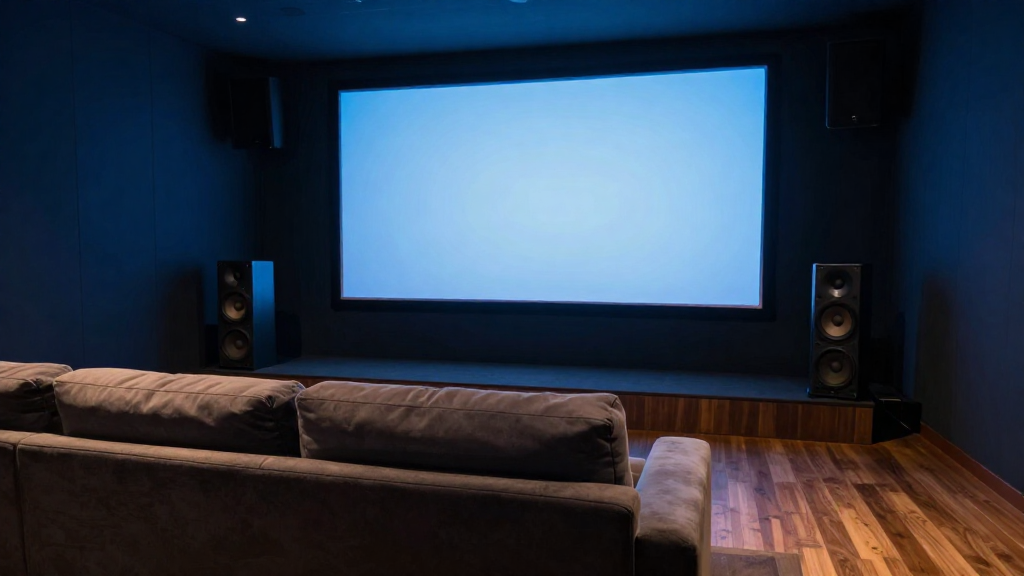
In this article, we will explore how to calibrate home theater sound to enhance your viewing and listening experience.
What Does Calibrating Home Theater Sound Mean?
Calibrating home theater sound refers to the process of adjusting your audio settings to achieve the best possible sound quality. This includes balancing audio levels, equalizing frequencies, and optimizing speaker placement. Proper calibration can significantly improve the overall audio experience in your home theater.
Why Is Calibration Important?
Calibration is crucial for several reasons:
- Enhanced Audio Quality: Proper calibration ensures that every sound is clear and balanced.
- Immersive Experience: Calibration allows you to experience sound as intended by the creators.
- Room Acoustics: Every room has unique acoustics; calibration helps to adapt your sound system to these characteristics.
Common Challenges in Calibration
Some challenges you might face include:
- Uneven sound levels across different speakers.
- Room reflections affecting sound quality.
- Incompatible equipment settings.
How Can You Measure Your Home Theater Sound?
Measuring your home theater sound is a critical first step in calibration. This step will help you identify areas that need improvement.
Use a Sound Level Meter
A sound level meter is a device that measures sound pressure levels in decibels (dB). Using one will allow you to:
- Determine the volume levels of each speaker.
- Identify discrepancies in sound output.
- Make informed adjustments based on measurements.
Utilize Calibration Software
Many home theater systems come with calibration software. This software can:
- Guide you through the calibration process.
- Automatically adjust settings based on the room’s acoustics.
- Provide visual feedback on sound levels.
What Steps Should You Follow to Calibrate Home Theater Sound?
Calibrating home theater sound involves several key steps that can enhance your audio experience.
Step 1: Speaker Placement
Proper speaker placement is vital for optimal sound quality. Here are some tips:
- Position speakers at ear level when seated.
- Ensure that the left and right speakers are equidistant from the center channel.
- Place surround speakers at an angle to the listening area.
Step 2: Adjusting Levels
Once the speakers are placed correctly, it’s time to adjust their levels. Consider the following:
- Use your sound level meter to measure each speaker’s output.
- Adjust the levels to achieve a balanced soundstage.
- Make sure that the dialogue comes from the center channel.
Step 3: Equalization
Equalization is the process of adjusting the balance of frequencies. To effectively equalize:
- Identify any frequency imbalances using test tones.
- Make adjustments to your receiver’s equalizer settings.
- Test different settings to find the most pleasing sound.
What Tools Do You Need for Calibration?
Having the right tools can make the calibration process smoother and more effective.
Calibration Microphone
A calibration microphone is essential for measuring sound accurately. This tool allows you to:
- Capture sound data from various positions in your room.
- Help your calibration software to make precise adjustments.
- Ensure a detailed analysis of audio performance.
Room Acoustic Treatment
Improving your room’s acoustics can significantly enhance sound quality. Consider these treatments:
- Acoustic Panels: These absorb sound and reduce echoes.
- Bass Traps: These help manage low frequencies and improve clarity.
- Diffusers: These scatter sound waves to create a more balanced sound environment.
How Often Should You Calibrate Your Home Theater Sound?
Regular calibration is essential to maintain optimal sound quality in your home theater.
Recommended Frequency
It is advisable to recalibrate your home theater sound:
- Every six months to a year.
- After moving or rearranging furniture.
- Whenever you upgrade or change equipment.
Signs That You Need to Recalibrate
Be aware of signs indicating that it’s time to recalibrate, such as:
- Imbalanced sound levels between speakers.
- Distorted audio during playback.
- Sound quality that doesn’t match your expectations.
What Are Common Mistakes to Avoid?
Calibrating home theater sound can be straightforward, but there are common mistakes to be aware of.
Ignoring Room Acoustics
Many people overlook the impact of room acoustics on sound quality. Avoid this mistake by:
- Testing sound in different locations within the room.
- Considering room shape and materials when placing speakers.
- Using acoustic treatments to improve sound quality.
Incorrect Speaker Setup
Setting up speakers incorrectly can lead to poor sound quality. To prevent this:
- Follow recommended speaker placement guidelines.
- Ensure all connections are secure and correctly configured.
- Check for phase issues between speakers.
Conclusion
Calibrating home theater sound is essential for achieving the best audio experience. By understanding the importance of calibration, measuring sound accurately, following the necessary steps, and avoiding common mistakes, you can create an immersive sound environment in your home. Take the time to calibrate your system, and enjoy the enhanced audio experience that comes with it.