
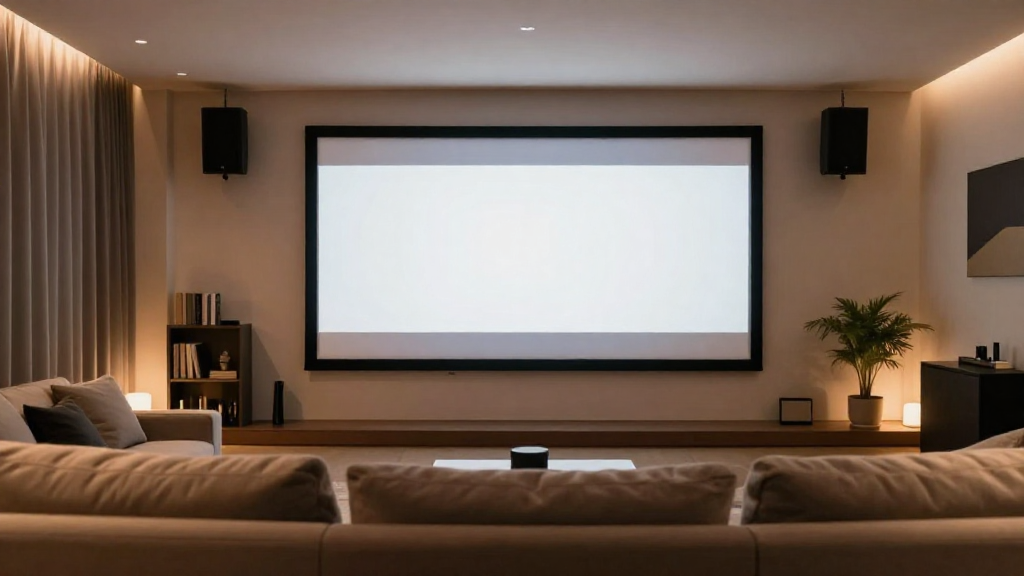
Choosing the right home theater screen size is crucial for creating an immersive viewing experience. This article will provide you with a comprehensive home theater screen size guide to help you make an informed decision.
What Factors Should You Consider?
When selecting a home theater screen size, several factors come into play that can significantly influence your choice.
Room Size
The dimensions of your room are one of the most important factors to consider. A larger screen may overwhelm a small room, while a small screen might look insignificant in a vast space. Measure your room’s length and width to determine the optimal screen size based on your available space.
Viewing Distance
Another critical factor is the distance from which you’ll be viewing the screen. The general rule is that the distance should be 1.5 to 2.5 times the diagonal size of the screen. This ensures a comfortable viewing experience without straining your eyes.
Aspect Ratio
The aspect ratio of your home theater screen is also essential. Common ratios include 16:9 for widescreen and 2.35:1 for cinematic experiences. Choose an aspect ratio that aligns with the content you’ll be watching most frequently.
How Do You Calculate the Ideal Screen Size?
Calculating the ideal screen size can be straightforward if you take the right measurements and understand your space.
Use a Simple Formula
To find the right size, you can use a simple formula. For a 16:9 aspect ratio, divide the viewing distance by 1.5 to 2.5. For example, if your viewing distance is 10 feet (120 inches), the ideal screen size would be between 48 to 80 inches diagonally.
Consider Height and Width
Besides diagonal size, you should also consider height and width. For instance, a 100-inch screen has a height of approximately 49 inches and a width of about 87 inches. Make sure your wall space can accommodate these dimensions to avoid any installation issues.
Account for Viewing Angles
Don’t forget about viewing angles. For optimal viewing, the screen should be at eye level when seated. Ideally, the center of the screen should be 30 to 40 inches off the ground for average seating. This will enhance comfort and visibility.
What Types of Screens Are Available?
Understanding the different types of screens available can also help you make a more informed choice regarding the home theater screen size guide.
Fixed Frame Screens
Fixed frame screens are permanently mounted to the wall. They offer a flat, tensioned surface for an excellent viewing experience. This type is ideal for dedicated home theaters where aesthetics and image quality are priorities.
Motorized Screens
Motorized screens can be retracted when not in use, making them a versatile choice. They are perfect for multi-purpose rooms where you might not want a visible screen at all times. This adds a level of convenience and flexibility to your setup.
Portable Screens
If you’re looking for something more versatile, portable screens may be the answer. They can be easily set up and taken down, making them ideal for outdoor movie nights or presentations. However, they may not provide the same level of image quality as fixed or motorized screens.
What Are Common Mistakes to Avoid?
When selecting a home theater screen size, there are common pitfalls that can detract from your viewing experience.
Ignoring Your Room’s Acoustics
Many people overlook the acoustics of their room when choosing a screen size. Poor acoustics can lead to sound quality issues that diminish the overall experience. Consider the material of your walls and the layout of your furniture to enhance sound distribution.
Underestimating Brightness
The brightness of your room can also impact your screen choice. A screen that is too small or of low quality can result in a washed-out image in bright environments. Ensure that you consider the ambient light levels in your room and choose a screen that can provide adequate brightness.
Choosing Based on Trends
Lastly, avoid selecting a screen size based solely on trends or recommendations. What works for someone else may not work for your space. Always take measurements and consider your unique requirements before making a decision.
How Can You Enhance Your Home Theater Experience?
Once you’ve selected the perfect home theater screen size, consider these tips to enhance your overall experience.
Optimize Your Seating Arrangement
The seating arrangement can greatly affect your viewing experience. Arrange your seats at the recommended viewing distance and ensure that each seat has a clear line of sight to the screen. This will maximize comfort and enjoyment for everyone.
Invest in Quality Sound Systems
A great screen deserves a great sound system. Invest in a quality audio setup to complement your viewing experience. Surround sound systems can create an immersive atmosphere that enhances movies, games, and more.
Control Ambient Light
Controlling ambient light is essential for optimal viewing. Consider blackout curtains or shades to block out light during movie time. This will improve the picture quality and ensure that your experience is as enjoyable as possible.
Conclusion
Choosing the right home theater screen size involves careful consideration of several factors, including room size, viewing distance, and type of screen. By following this home theater screen size guide, you can make an informed decision that elevates your viewing experience. Remember to also enhance your setup with quality sound systems and optimized seating arrangements for the best results.